Kirjojen hintavertailu – 12 859 828 kirjaa ja 27 kauppaa
Kirjailija
Harry Ricketts
Kirjat ja teokset yhdessä paikassa: 11 kirjaa, julkaisuja vuosilta 2001–2025, suosituimpiin kuuluu Rudyard Kipling. Vertaile teosten hintoja ja tarkista saatavuus suomalaisista kirjakaupoista.
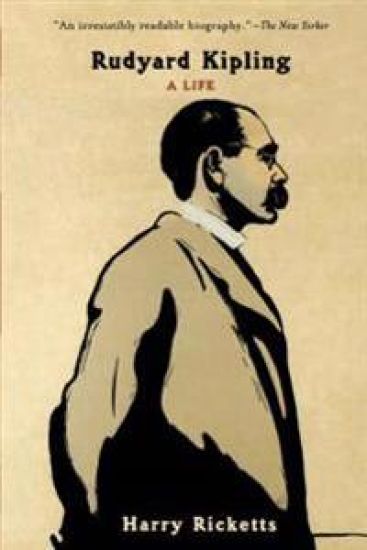
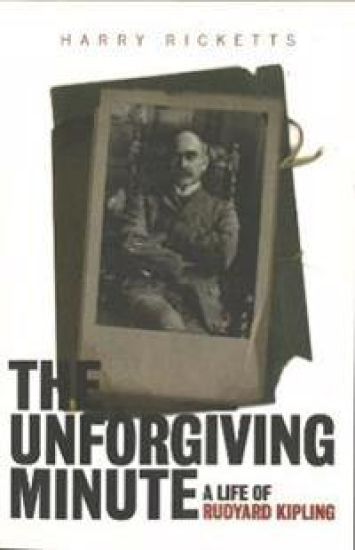
This absorbing, widely praised biography brings a fresh and sympathetic eye to the career of the prolific writer whose popular Jungle Books and collections of poems like Barracks Room Ballads as well as the masterly novel Kim propelled him to the pinnacle of literary success before he was forty. With illuminative reinterpretations of his work, it also follows Kipling through the next three decades that took this complex, troubled, and brilliant man to tragic personal disappointments and galling disrepute among the lions of literary fashion. In all, biographer Ricketts brings vibrantly to life the diverse worlds of imperialist India and Victorian London that both inspired and betrayed Kipling's genius.
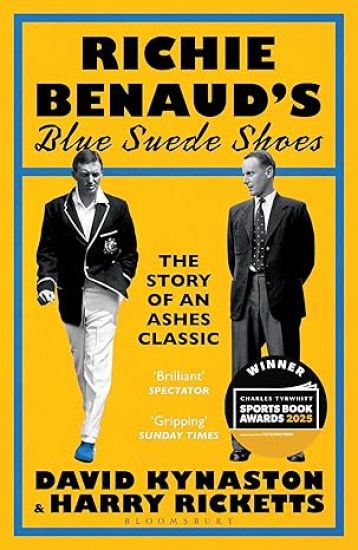
CHARLES TYRWHITT SPORTS BOOK AWARDS CRICKET BOOK OF THE YEARTHE CRICKET WRITERS’ CLUB DEREK HODGSON BOOK OF THE YEARLONGLISTED FOR THE WILLIAM HILL SPORTS BOOK OF THE YEAR PRIZE 2024'This entertaining book is gripping reading for any cricket buff' Sunday Times'An epic contest superbly retold . . . a fascinating slice of social history, it is a spellbinding read' Vic Marks'You should go out and buy it now, because the book is brilliant’ SpectatorDavid Kynaston and Harry Ricketts relive the compelling story of a gripping Ashes-deciding Test match that heralded the dawn of a new era for English cricket. The Ashes are on the line as England and Australia meet at Old Trafford in July 1961 for the fourth Test. For most of the match, England have their noses ahead – until a dramatic final day, of intensely fluctuating fortunes, as the tourists eventually storm to victory. In short, an Ashes classic, told here by David Kynaston and Harry Ricketts in vivid and immersive detail, recreating the sometimes agonising experience of millions of armchair viewers and listeners. At the heart of Richie Benaud’s Blue Suede Shoes are two strikingly contrasting personalities: England’s captain, the Cambridge-educated, risk-averse, establishment-minded Peter May; and Australia’s captain, the charismatic, risk-taking, open-minded Benaud – a contrast not only between two individuals, but between two cricketing and indeed national cultures. Whereas Benaud and Australia symbolised a new, meritocratic era, May and England seemed, in what was still an amateur-dominated game, to look back to an old imperial legacy out of sync with the dawning Sixties. The sharply observed final chapters take the story up to the present day. They relate the ‘after-lives’ of the match’s key participants, including Ted Dexter, Bill Lawry and Fred Trueman as well as May and Benaud; trace the continuing chequered relationship between English cricket and broader social change; and, after six more decades of fierce Ashes rivalry, wrestle with the perennial conundrum for all England supporters – why do the baggy green caps usually beat us?
CHARLES TYRWHITT SPORTS BOOK AWARDS CRICKET BOOK OF THE YEARTHE CRICKET WRITERS’ CLUB DEREK HODGSON BOOK OF THE YEARLONGLISTED FOR THE WILLIAM HILL SPORTS BOOK OF THE YEAR PRIZE 2024'This entertaining book is gripping reading for any cricket buff' Sunday Times'An epic contest superbly retold . . . a fascinating slice of social history, it is a spellbinding read' Vic Marks'You should go out and buy it now, because the book is brilliant’ SpectatorDavid Kynaston and Harry Ricketts relive the compelling story of a gripping Ashes-deciding Test match that heralded the dawn of a new era for English cricket. The Ashes are on the line as England and Australia meet at Old Trafford in July 1961 for the fourth Test. For most of the match, England have their noses ahead – until a dramatic final day, of intensely fluctuating fortunes, as the tourists eventually storm to victory. In short, an Ashes classic, told here by David Kynaston and Harry Ricketts in vivid and immersive detail, recreating the sometimes agonising experience of millions of armchair viewers and listeners. At the heart of Richie Benaud’s Blue Suede Shoes are two strikingly contrasting personalities: England’s captain, the Cambridge-educated, risk-averse, establishment-minded Peter May; and Australia’s captain, the charismatic, risk-taking, open-minded Benaud – a contrast not only between two individuals, but between two cricketing and indeed national cultures. Whereas Benaud and Australia symbolised a new, meritocratic era, May and England seemed, in what was still an amateur-dominated game, to look back to an old imperial legacy out of sync with the dawning Sixties. The sharply observed final chapters take the story up to the present day. They relate the ‘after-lives’ of the match’s key participants, including Ted Dexter, Bill Lawry and Fred Trueman as well as May and Benaud; trace the continuing chequered relationship between English cricket and broader social change; and, after six more decades of fierce Ashes rivalry, wrestle with the perennial conundrum for all England supporters – why do the baggy green caps usually beat us?
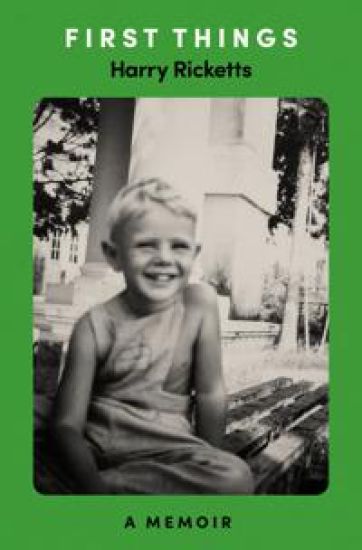
In First Things, Harry Ricketts chronicles his early life through the lens of 'firsts': those moments that can hold their detail and potency across a lifetime. Set mostly in Hong Kong and Oxford, these bright fragments include the places, people, writers, encounters and obsessions that have shaped Ricketts' world, from his first friends and rivals to his first time being caned by a teacher and his first time dropping acid. There are other, more enigmatic firsts here too, like the first time he realised what really mattered, and the first time he began doubting God. 'I wanted to believe in God and, even more, wanted God to believe in me.' Who really were we, back then? Which parts of ourselves get to be remembered and carried along with us, and which parts are gone forever? In First Things, the gaps in between shine as brightly as the memories themselves.
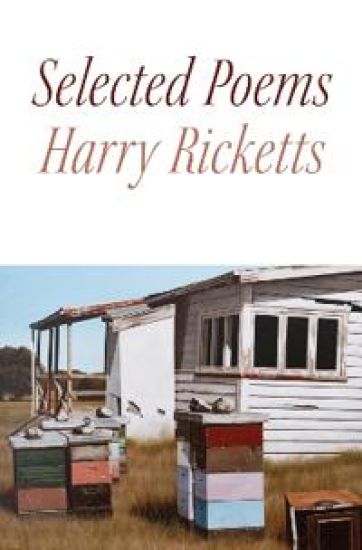
Harry Ricketts has written and edited more than thirty books, but it is his poetry that has been the most constant, and the most personal in tone. From his 1989 collection Coming Here – in which he wrote the first of his ‘Secret Life’ poems – to his 2018 collection Winter Eyes, which reviewer Tim Upperton called ‘unsettling, moving, both estranging and empathetic’, Ricketts has written of friendship, youth, romance, loss, and the small moments that carry a lifelong weight, or light, within us. His voice is recognisable for its humility, intelligence and warmth. In Selected Poems, its full range is represented for the first time.' Selected Poems showcases the work of one of our beloved poets. His poetry embraces humour, the necessity of books and reading, the ability of poetry to dance from melancholy to exquisite sheen, from plain speech to elegant soundings, to the whip and caress of life. This is an anthology to treasure.' —Paula Green, Kete Books‘Harry Ricketts brings out into the sunlight the lumber stored in the attic of his mind. He clocks both the psychological distance between people here and the paradoxical sense of closeness in a lonely land.’ —David Eggleton, NZ Revie
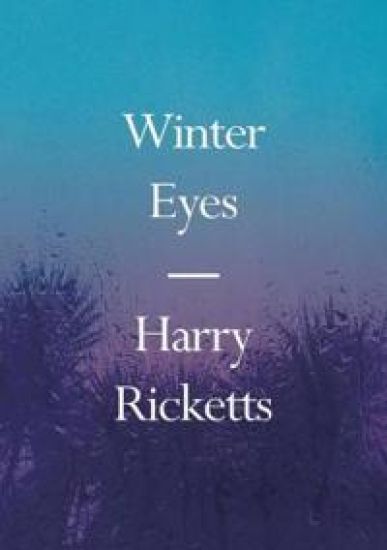
Poetry as comfort, poetry as confrontation. In Winter Eyes Harry Ricketts reaches into past and future, with other writers and artists - from Kipling to Dylan, Austen to Frame - in the crosscurrents. These are poems of friendship, of love's stranglehold, of the streets and buildings where history played out. Elegiac and bittersweet, Winter Eyes is Harry Ricketts' best yet.
The stories of Rudyard Kipling are read all over the world, by people of all ages, yet no biography has fully explored the complex link between his fascinating life and his writing; Harry Ricketts brings Kipling vividly and touchingly to life - his traumatic childhood, split between India and England (haunting the powerful Jungle Books);
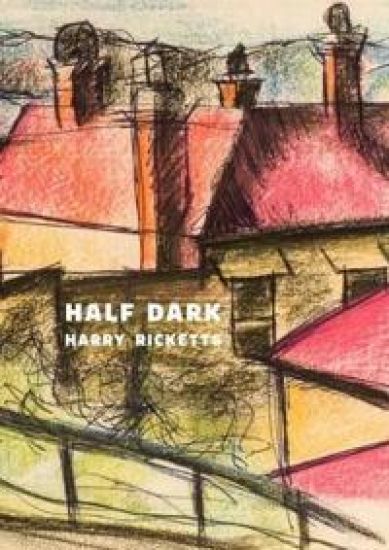
In his new collection, Harry Ricketts addresses the people and places that fill a life and the gaps they leave behind. These are poems of friendship, romance, youth, and moments that still glow or ache decades after. Half Dark is tender, funny, sad, and deftly crafted from the splinters and spaces of the past.
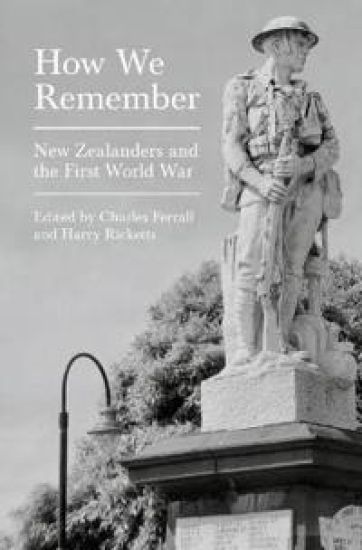
This collection of writings stands as an important reflection on the ways in which New Zealanders remember their past - be it through a poem, a waiata, a family photograph, a painting, a half-recalled history lesson, a parade, or a name on a plaque in a small town. These original, insightful essays by a raft of historians, writers, and other prominent figures reflect on various forms of remembering and remembering, what we have cherished and valued, forgotten and ignored, constructed and reframed.
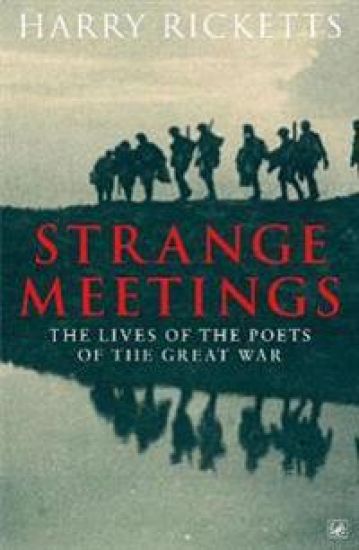
Strange Meetings provides a highly original account of the War Poets of 1914-1918, written through a series of actual encounters, or near-encounters, from Siegfried Sassoon's first, blushing meeting with Rupert Brooke over kidneys and bacon at Eddie Marsh's breakfasts before the war, through famous moments like Sassoon's encouragement of Wilfred Owen when both were in hospital, on to the last, strange lunch and 'longish talk' of Sassoon and David Jones in 1964, half a century after the Great War began. Among the other poets and writers we encounter are Vera Brittain, Roland Leighton, Robert Graves, Isaac Rosenberg, Robert Nichols and Edmund Blunden. We follow their relationships, marking their responses to each other's work and showing how these affected their own poetry. We come to know each of the poets, their family and intellectual backgrounds and their very different personalities. We get a fresh sense of Georgian poetry, conveying all the excitement and frustration of poetic creation, and demonstrating how the whole notion of what poetry should be 'about' became fractured and changed for ever by the terrible experiences of the war.
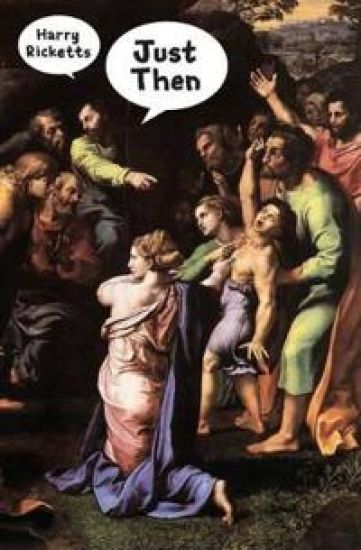
In his new collection, renowned writer and poet Harry Ricketts finds room for three songs written in Hong Kong in 1975 and a 1979 poem about a war poet. Other poems remember departed friends and early experiences and celebrate the abiding pleasures of reading, writing, and cricket. With titles for the poems as diverse as "Quarantine Island," "Flanneled fools," and "You can learn stuff from detective novels," Ricketts upholds his reputation for skill using dramatic and satiric tones, exploiting rhyme and other traditional devices, and making wry commentaries. Formally adroit, Just Then is by turns tender, funny, and often surprising.