Kirjojen hintavertailu – 12 903 724 kirjaa ja 27 kauppaa
Kirjailija
Harvey B. Milkman
Kirjat ja teokset yhdessä paikassa: 12 kirjaa, julkaisuja vuosilta 1995–2026, suosituimpiin kuuluu Criminal Conduct and Substance Abuse Treatment: Strategies For Self-Improvement and Change, Pathways to Responsible Living. Vertaile teosten hintoja ja tarkista saatavuus suomalaisista kirjakaupoista.
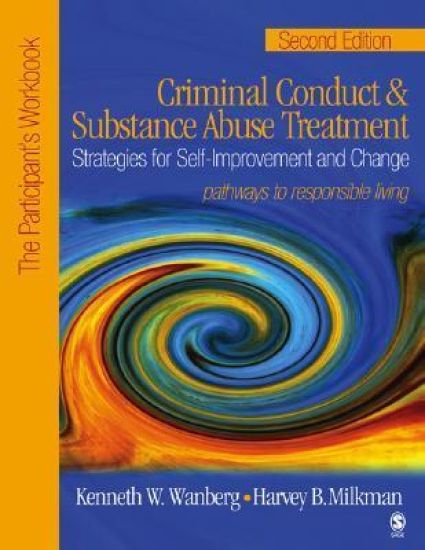
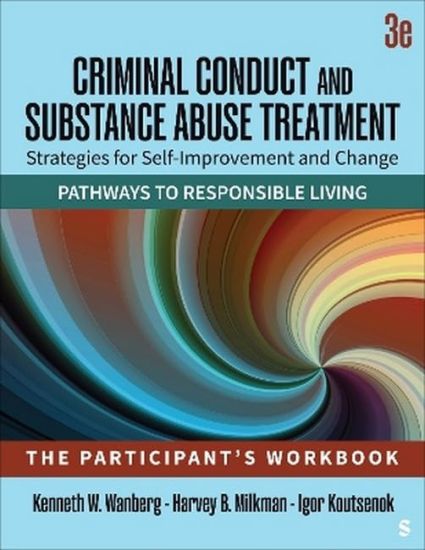
Criminal Conduct and Substance Abuse Treatment: Strategies for Self-Improvement and Change (SSC), The Participant’s Workbook, is a 50-session, comprehensive guide, designed to help individuals overcome substance abuse, criminal behavior, and antisocial tendencies. It is structured into three phases: Challenge to Change, Commitment to Change, and Ownership of Change, each focusing on specific skills and strategies for personal growth and responsible living. The Workbook is intended for use by justice involved clients with co-occurring substance use issues and criminal conduct, guided by counselors skilled in Motivational Interviewing and Cognitive-Behavioral treatment techniques. The curriculum is designed to be delivered in structured treatment settings including jails, prisons, parole, outpatient and residential community settings. It can be delivered in group or individual treatment modalities. Phase I: Challenge to Change This phase introduces participants to the Cognitive-Behavioral (CB) Map, which helps identify how thoughts, attitudes, and beliefs influence emotions and actions. Participants learn to recognize high-risk situations and thinking patterns that lead to substance abuse and criminal conduct. Key skills include mental self-control, relaxation techniques, and managing urges and cravings. Modules focus on understanding personal history, identifying problem areas, and setting relapse and recidivism prevention goals. Participants develop a Master Profile (MP) and Master Assessment Plan (MAP) to guide their journey, using worksheets and exercises to reflect on past behaviors, identify triggers, and set goals for change. Phase II: Commitment to Change This phase emphasizes skill development for responsible living, including problem-solving, assertiveness, and managing anger in relationships. Participants learn to give and receive compliments, resolve conflicts, and build healthy intimate relationships. Modules address moral reasoning, empathy, and prosocial behavior, encouraging respect for others and positive community contributions. Cognitive-behavioral strategies, such as the STEP Method (Situation, Thinking Change, Emotions, Positive Action/Outcome), help participants achieve positive outcomes by changing their thoughts and beliefs. Communication skills, such as active sharing and listening, are emphasized to improve relationships and prevent relapse and recidivism. Phase III: Ownership of Change The final phase focuses on taking full ownership of the changes made in earlier phases. Participants strengthen relapse and recidivism prevention plans, develop critical reasoning skills, and create a balanced lifestyle. Modules include managing work and time, engaging in healthy leisure activities, relaxation techniques, healthy eating, and physical activity. Participants are encouraged to give back to their community through mentoring and role modeling, reinforcing their commitment to responsible living. The goal is to sustain a drug-free and crime-free life while contributing positively to the community.
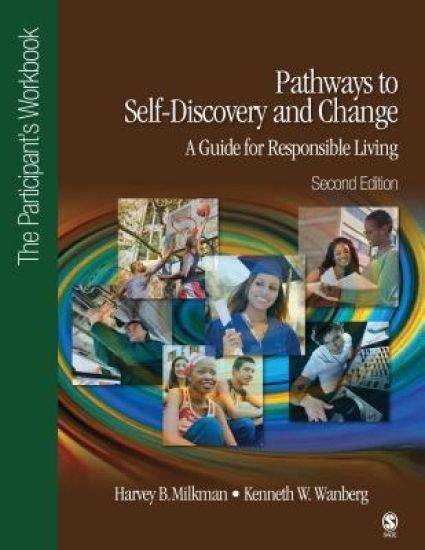
Pathways to Self-Discovery and Change: A Guide for Responsible Living - The Participant’s Workbook, Second Edition provides a written and richly illustrated format through which clients can better understand and reflect on each of 32 (approximately 90 to 120 minutes in length) youth-focused CBT treatment sessions. Pathways to Self-Discovery and Change supplies clients with a visual and written record of all treatment objectives, content information, modeling and role-plays, discussion points, interactive exercises, and reflective assignments and a place to record their ideas, insights, short- and long-term goals, and progress during the entire treatment episode. The Participant’s Workbook is geared to a broad range of reading and conceptual abilities. Using comic strip illustrations and gripping stories (presented through the narrative voice of teenagers who experience a variety of problems with substance abuse, criminal conduct, and mental health issues), clients are engaged in active discussion about the situations, thoughts, emotions, and behaviors that have become embroidered in their patterns of substance abuse and criminal conduct.
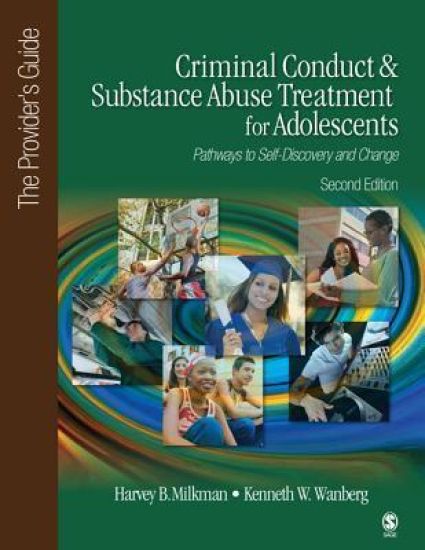
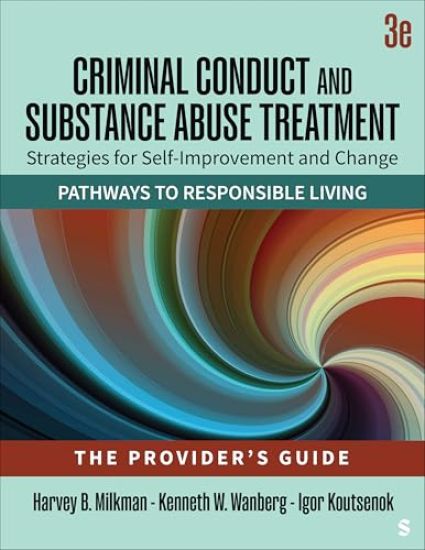
This Provider's Guide introduces a comprehensive and developmentally appropriate treatment program, Pathways for Self-Discovery and Change (PSDC), which provides the specific tools necessary for improving evaluation and treatment of at-risk youth, a particularly vulnerable patient population in the justice system. Using an adolescent-focused format, this protocol identifies psychological, biological, and social factors that contribute to the onset of adolescent deviance, and establishes guidelines for delivery of a 32-session treatment curriculum designed to rehabilitate both male and female adolescents with co-occurring substance abuse and criminal conduct. Now in its Second Edition, this guide provides treatment practitioners, program evaluators, and youth services administrators with the most up to date, comprehensive, and accessible information for the treatment and rehabilitation of juvenile justice clients. It is built on theoretical and research advances in the treatment and rehabilitation of juvenile justice clients, as well as feedback over the past seven years from PSDC counselees, treatment providers, and program administrators. SAGE offers treatment and training programs for mental health providers that you can easily incorporate into your existing programs.
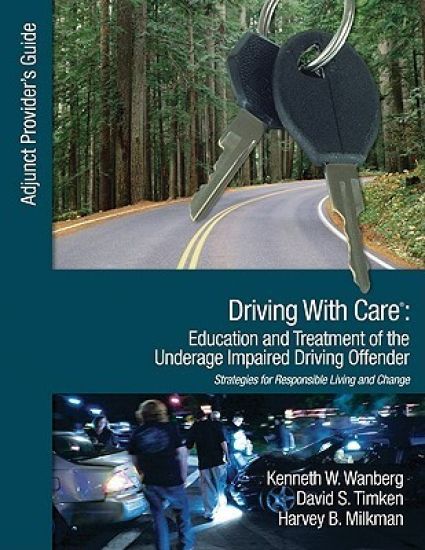
Driving with Care: Education and Treatment of the Underage Impaired Driving Offender is a supplementary guide for the Driving with Care Series. It deals specifically with Adolescent/young adult impaired driving, which presents a host of special challenges and special treatment issues. Underage impaired driving represents 15% of the DUI arrests nationwide, which translates into roughly 150,000 individuals a year. Underage drivers present a special challenge for education and treatment as their motivation to drink and drive is often quite different from the adult offender. Thus, the authors have compiled a rich set of educational protocols and treatment strategies that can supplement the various levels of treatment provided in all three Driving with Care workbooks. Section I provides a theoretical foundation for understanding underage impaired driving, including the scope, incidence, and prevalence of the problem and defines the causal and risk factors associated with underage drinking and driving. It also defines and covers legal and regulatory interventions that have been effective for treatment and provides guidelines that enhance the treatment and rehabilitation of this group. Section II provides specific guidelines and enhancements for the delivery of DWC for underage drivers, including activities, handouts, and various assessment tools. SAGE offers treatment and training programs for mental health providers that you can easily incorporate into your existing programs.
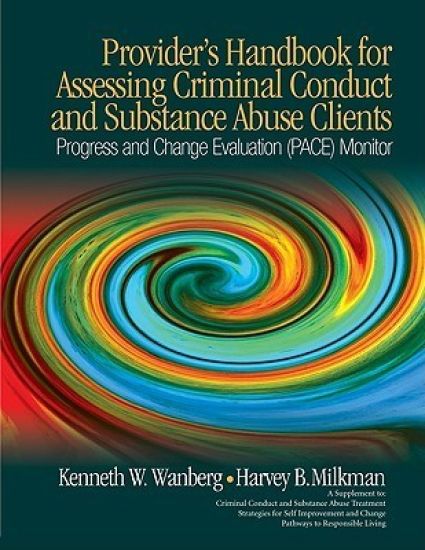
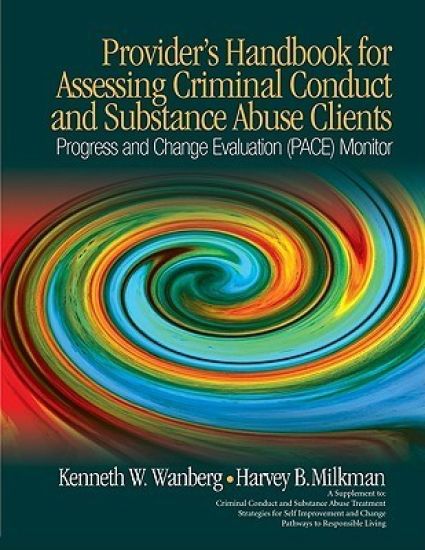
Handbook of Assessing and Treating Substance Abuse and Criminal Conduct:The Progress and Change Evaluation (PACE) Monitor is an instructive guide that helps agencies and providers assess, monitor and evaluate the change and progress made by criminal justice clients at the beginning, during and after treatment. The guide contains dozens of instruments used to assess and evaluate clients, along with a description of each item and instructions on how to score and interpret it. It was created to be used in conjunction with the Criminal Conduct and Substance Abuse Treatment: Strategies for Self Improvement and Change curriculum, but the instruments are general enough that they can be used separately and with other curriculums as well. The tools provided in this book will be highly useful for anyone working with clients with co-occurring issues of substance abuse and criminal conduct. SAGE offers treatment and training programs for mental health providers that you can easily incorporate into your existing programs.
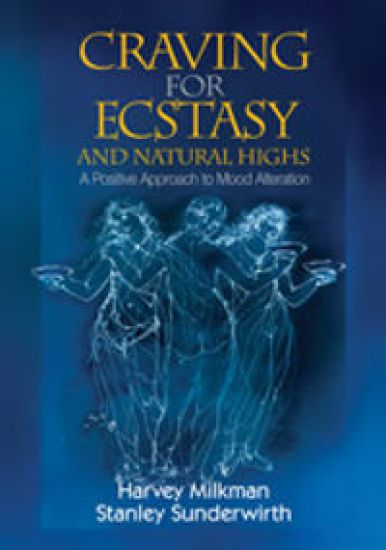
"This book is extremely useful for a broad range of readers. This book reflects the extensive scientific and clinical expertise of the authors and is compelling reading for anyone interested in addictive behaviors. It is one of the rare books that from page one immediately engrosses, educates and broadens your perspective." —Alex Blaszczynski, The University of Sydney, International Journal of Mental Health Addiction"Psychologist Harvey Milkman and chemist Stanley Sunderwirth explore why our relentless search for pleasure sometimes leads to dangerous addictions and show us healthy ways to achieve happiness." —SCIENTIFIC AMERICAN MIND"Harvey B. Milkman and Stanley Sunderwirth have written a tour de force. Craving for Ecstasy and Natural Highs: A Positive Approach to Mood Alteration . . . is a beautifully written and organized book . . . a thrill ride through the most innovative and insightful perspectives that science and clinical experience have to offer . . . hip and artistic, reflecting a deep understanding of addiction . . . a major contribution to the field; it is must reading." —Howard J. Shaffer, PhD, CAS Editor, Psychology of Addictive Behaviors, Associate Professor, Harvard Medical School Director, Division on Addictions, Cambridge Health Alliance "Reading this book is in itself and ecstatic experience! . . . a fascinating journey that explores the benefits and risks of pleasure and the universal desire to feel good . . . It's quite a trip." —G. Alan Marlatt, PhD, University of Washington People from all walks of life often lose themselves in pursuing counterfeit pleasures—cigarettes, alcohol, drugs, thrill seeking, sex, food, gambling, and on-line fantasies to name just a few. How does the pursuit of pleasure result in compulsion and loss of control? Craving for Ecstasy and Natural Highs addresses this fundamental question and then explores positive ways to achieve lasting happiness and fulfillment. Readers will gain important insight on how to improve their own quality of life and will learn how to offer support to clients, students, family, and friends whose lives may be compromised by addiction. Students of addictive behaviors and anyone interested in discovering healthy means to satisfy the drive to alter consciousness will find this book compelling. Reviews of previous work: "The chemistry and psychology of addiction are described with considerable insight. . . . These authors know their stuff and make a compelling case." —The Los Angeles Times "The authors provide a valuable service by placing into perspective a large array of behaviors that could be considered addictive." —JAMA
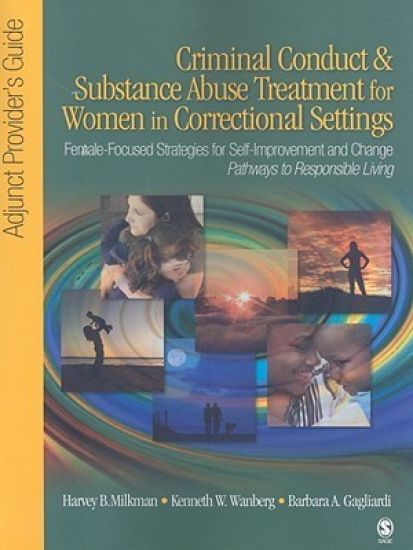
There is an urgent demand for treatment protocols designed specifically for women who abuse drugs, commit crimes, and receive treatment in correctional settings. Criminal Conduct and Substance Abuse Treatment for Women in Correctional Settings answers the clamor by targeting the biological, psychological, and social roots of female substance abuse and crime. Designed as an adjunct to the Criminal Conduct and Substance Abuse Treatment: Strategies for Self-Improvement and Change (SSC) curriculum, this provider's guide uses female-focused examples, exercises, role plays, and content enhancements that pinpoint women's treatment issues. Features and BenefitsIncreases the female focus of each session in the original SSC curriculum, a renowned and effective treatment model Assumes a strengths-based approach, which helps build support systems and motivate recovery for womenProvides a broad perspective on psychological, social and biological issues and enhances treatment outcomes across a wide spectrum of agencies and treatment providersIntended AudienceThis adjunct provider's guide is essential to agencies, treatment centers, and practitioners working with women in the judicial system – offering female clients the best possible chance to get back on the road to recovery. This adjunct provider's guide is essential to agencies, treatment centers, and practitioners working with women in the judicial system – offering female clients the best possible chance to get back on the road to recovery. This volume provides an invaluable gender focus for:Criminal Conduct and Substance Abuse Treatment Strategies for Responsible Living and ChangeThe Participant's Workbook Second EditionKenneth W. Wanberg and Harvey B. MilkmanISBN: 978-1-4129-0591-6The Provider's GuideSecond EditionKenneth W. Wanberg and Harvey B. MilkmanISBN: 978-1-4129-0592-3
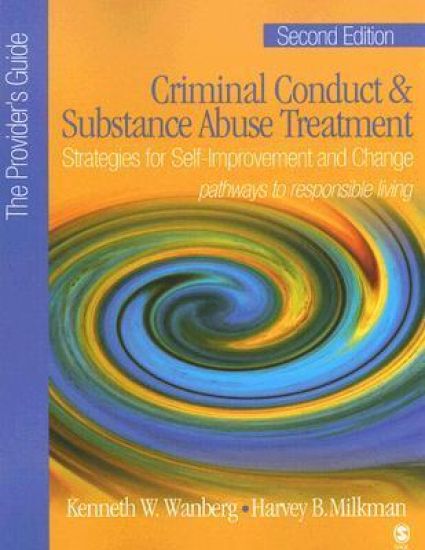
Designed for providers who work with judicial clients, the Providers Guide presents effective cognitive-behavioral treatment approaches. The Second Edition of this bestseller unveils a state-of-the-art approach for effectively preventing criminal recidivism and substance abuse relapse within community based and correctional settings. The core of the SSC program is a positive relationship between provider and client. Summary of results survey from the first edition of SSC 95% of the providers rated the components of SSC to be adequate to very adequate in meeting the treatment needs of judicial clients Over 90% of providers rated clients as having a moderate to very high involvement in homework and reading 95% of the clients rates as very high their satisfaction of SSC delivery, the provider's response to client needs and clients' comfort with providersAround 80% of clients reported their cognitive and behavioral control over AOD use and criminal conduct had improved during SSCThe accompanying Participant's Workbook to the SSC is written to engage clients and encourage active participation in treatment and responsible living: Phase I: Challenge to Change: Building Knowledge and Skills for Responsible Living Phase II: Commitment to Change: Strengthening Skills for Self-Improvement, Change, and Responsible Living Phase III: Taking Ownership of Change: Lifestyle Balance and Healthy Living
The accompanying Participant's Workbook to the SSC is written to engage clients and encourage active participation in treatment and responsible living. Phase I: Challenge to Change: Building Knowledge and Skills for Responsible Living Phase II: Commitment to Change: Strengthening Skills for Self-Improvement, Change, and Responsible Living Phase III: Taking Ownership of Change: Lifestyle Balance and Healthy LivingSAGE offers treatment and training programs for mental health providers that you can easily incorporate into your existing programs.
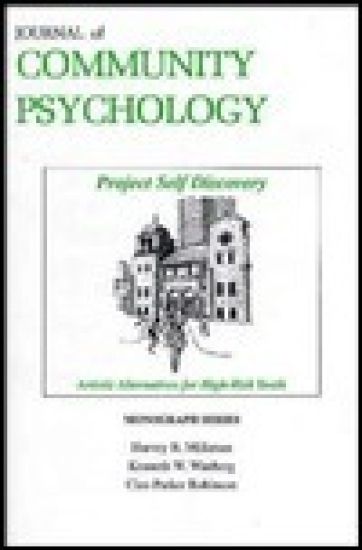
This book provides a comprehensive description of Projects Self Discovery (PSD), a national demonstration model, that uses artistic alternatives as a vehicle for transforming the lives of high-risk teens. The monograph presents the theoretical and empirical bases for program development, strategies for accessing and retaining target youth populations, ethnographic and quantitative methods of client assessment and program evaluation, detailed operational model for program activities including participant guidelines, curricula, and essential elements for an effective counseling stance and results of comprehensive assessment/evaluation efforts.