Kirjailija
Hassan Blasim
Kirjat ja teokset yhdessä paikassa: 14 kirjaa, julkaisuja vuosilta 2008–2027, suosituimpiin kuuluu Haudattu. Vertaile teosten hintoja ja tarkista saatavuus suomalaisista kirjakaupoista.
14 kirjaa
Kirjojen julkaisuvuodet: 2008–2027.
Monitasoinen ja terävä tarinakokoelma maailmasta, jossa sodan ja arjen limittäisyys, yksinäisyys ja informaatioähky muovaavat identiteettiä – ja jossa historia toistaa itseään yhä uudelleen. Haudattu sisältää kymmenen novellia ja yhden pienoisromaanin, jotka kaikki kertovat köydenvedosta paljastamisen ja piilottamisen välillä. Hautaaminen on yritys hallita aikaa: varjella sitä, mikä on säilyttämisen arvoista, ja kätkeä se, mikä ei kestä päivänvaloa. Mutta kaikki mikä on kuopattu, tulee kerran vielä esiin. Syvällä maan povessa jokin liikkuu, köysi kiristyy, ja lopulta toisessa päässä ote lipsuu… Blasimin tarinoissa suuret katastrofit ja pienet henkilökohtaiset kokemukset kietoutuvat tiiviiksi kudelmaksi. Blasim luotaa ristiriitoja, tekopyhyyttä, pakolaisuutta ja synnyinmaansa Irakin historiaa absurdin tragikoomisella, omaleimaisen blasimilaisella tavallaan.
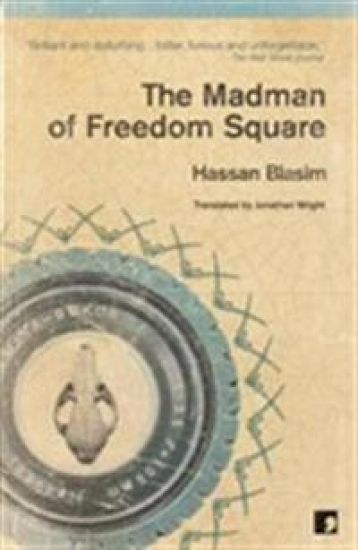
Painajaisrealistinen kaleidoskooppi. Täyslaidallisia kokoaa kansainvälisesti kiitetyt novellikokoelmat Vapaudenaukion mielipuoli ja Irakin Purkkajeesus yksien kansien väliin. Teos sisältää aiemmin julkaistujen tekstien lisäksi kolme uutta novellia. Hassan Blasimin novelleissa realismi ja fantasia, totuus ja tarinat liukenevat toisiinsa kuin veri veteen. Jokainen novelli on oma universuminsa Blasimin omalakisessa kirjallisessa multiversumissa, jonka taustalla kaikuvat tuhannen ja yhden yön tarinat. Novellien aiheet kumpuavat sodasta, väkivallasta, pakolaisuudesta, terrorismista ja rasismista. Blasim kuvaa Irakin veristä lähihistoriaa sekä pakolaisuuteen liittyvää vieraantumisen tunnetta ja traumaa makaaberin komiikan ja riehakkaan satiirin voimin. Taidokas proosa imaisee lukijan painajaismaiseen pyörteeseen. Hassan Blasim on helsinkiläinen, irakilaissyntyinen kirjailija, elokuvakäsikirjoittaja ja -ohjaaja. Arabiaksi kirjoittava Blasim lukeutuu aikamme arvostetuimpiin suomalaisiin kirjailijoihin maailmalla. Blasimin esikoisteos Vapaudenaukion mielipuoli sai loistavat arvostelut, ja vuonna 2014 hän voitti brittiläisen Independent-lehden arvostetun kirjallisuuspalkinnon novellikokoelmallaan Irakin Purkkajeesus.
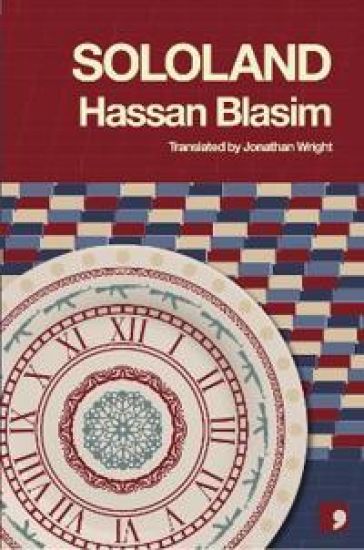
"Vuosituhannen tärkeimmän romaanin" (Aamulehti) kirjoittajan uusin, omalakinen teosKansainvälisestikin kiitetyn kirjailijan uusimmassa teoksessa irakilainen Elias päätyy kauas kotimaastaanElias työskentelee Isisin kokin apulaispoikana Mosulissa. Hän on vieras omassa maassaan, jonka Isis on kaapannut, sekä myöhemmin vieras vieraalla maalla, kun hän päätyy turvapaikanhakijaksi pohjolaan. Pohjola on Soololandia, paikka, jossa vieraat pysyvät aina vieraina. Asenteet ammennetaan siellä Janten laista: ”Älä luule, että sinä olet jotain. Älä luule että olet yhtä hyvä kuin me.” Blasimin kosiskelemattomat teokset puhuttelevat: ne huutavat välillä raivokkaasti, ja tuudittavat seuraavaksi lukijan hetkelliseen turvallisuudentunteeseen soljuvalla proosalla. Hassan Blasim (s. 1973) on helsinkiläinen, irakilaissyntyinen kirjailija, elokuvakäsikirjoittaja ja -ohjaaja. Arabiaksi kirjoittava Blasim lukeutuu aikamme arvostetuimpiin suomalaisiin kirjailijoihin maailmalla. Blasimin esikoisteos Vapaudenaukion mielipuoli (2012) sai loistavat arvostelut. Vuonna 2014 Hassan Blasim voitti brittiläisen Independent-lehden arvostetun kirjallisuuspalkinnon novellikokoelmallaan Irakin Purkkajeesus (2013). Blasimin ensimmäinen romaani Allah99 julkaistiin suomeksi vuonna 2019. ”Allah99 edustaa parhainta kirjallisuutta: taiturimaisesti kirjoittava Hassan Blasim häivyttää rajat ihmisten väliltä." Antti Majander, Helsingin Sanomat
Chess-playing people-traffickers, suicidal photographers, absurdist sound sculptors, cat-loving rebel sympathisers, murderous storytellers... The characters in Hassan Blasim’s debut novel are not the inventions of a wild imagination, but real-life refugees and people whose lives have been devastated by war. Interviewed by Hassan Owl, an aspiring Iraq-born writer, they become the subjects of an online art project, a blog that blurs the boundaries between fiction and autobiography, reportage and the novel. Framed by an email correspondence with the mysterious Alia, a translator of the Romanian philosopher Emil Cioran, the project leads us through the bars, brothels and bathhouses of Hassan’s past and present in a journey of trauma, violence, identity and desire. Taking its conceit from the Islamic tradition that says God has 99 names, the novel trains a kaleidoscopic lens on the multiplicity of experiences behind Europe’s so-called ‘migrant crisis’, and asks how those who have been displaced might find themselves again.
Hassan Buma har flytt till Finland från krigets Irak. Han är före detta veterinär, men i ett virrvarr av uteliv, alkohol och sex försöker han nu finna sig till rätta i sitt nya hemland och etablera sig som författare. Med projektbidrag från finska staten startar han en blogg och börjar intervjua migranter och flyktingar som liksom han själv fått sina liv märkta av krig, förföljelser och fattigdom – öden som speglar det som i Europa kallas flyktingkrisen. Genom dem tecknas samtidigt historien om Hassan Bumas eget liv. Allt inramat av de e-postmeddelanden han regelbundet får från en översättare av den rumänske filosofen Cioran, med reflektioner över konst, litteratur och politik. GUD 99 är den prisade irakisk-finske författaren Hassan Blasims första roman; detta mäktiga flöde av berättelser rör sig mellan det vardagliga och det fantastiska, mellan svart vrede och makaber humor i sitt utforskande av exilens villkor i en gränslöst dåraktig värld.
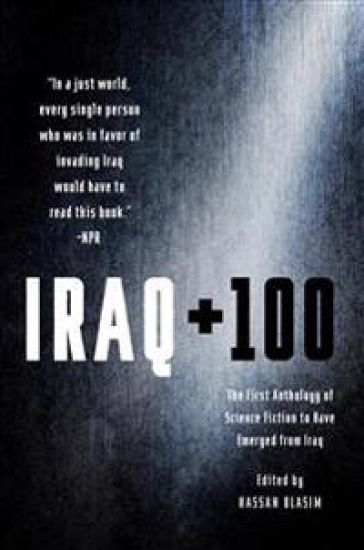
One of NPR's Best Books of 2017 A groundbreaking anthology of science fiction from Iraq that will challenge your perception of what it means to be "The Other" "History is a hostage, but it will bite through the gag you tie around its mouth, bite through and still be heard."--Operation Daniel In a calm and serene world, one has the luxury of imagining what the future might look like. Now try to imagine that future when your way of life has been devastated by forces beyond your control. Iraq + 100 poses a question to Iraqi writers (those who still live in that nation, and those who have joined the worldwide diaspora): What might your home country look like in the year 2103, a century after a disastrous foreign invasion? Using science fiction, allegory, and magical realism to challenge the perception of what it means to be "The Other", this groundbreaking anthology edited by Hassan Blasim contains stories that are heartbreakingly surreal, and yet utterly recognizable to the human experience. Though born out of exhaustion, fear, and despair, these stories are also fueled by themes of love, family, and endurance, and woven through with a delicate thread of hope for the future.
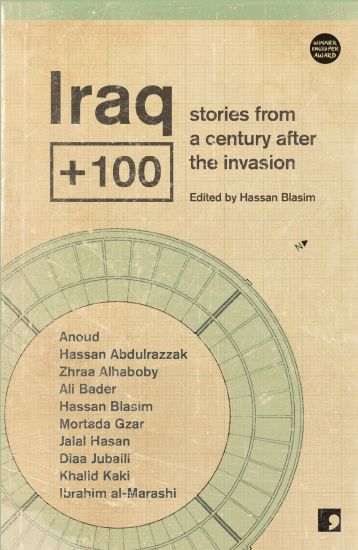
Iraq+100
Hassan Blasim; Bader; Jubaili; Gzar; Alhaboby; Hasan; Kaki; Abdulrazzak; Al-Marashi
Comma Press
2016
nidottu
Iraq + 100 poses a question to contemporary Iraqi writers: what might your home city look like in the year 2103 - exactly 100 years after the disastrous American and British-led invasion of Iraq? How might that war reach across a century of repair and rebirth, and affect the state of the country - its politics, its religion, its language, its culture - and how might Iraq have finally escaped its chaos, and found its own peace, a hundred years down the line? As well as being an exercise in escaping the politics of the present, this anthology is also an opportunity for a hotbed of contemporary Arabic writers to offer its own spin on science fiction and fantasy.
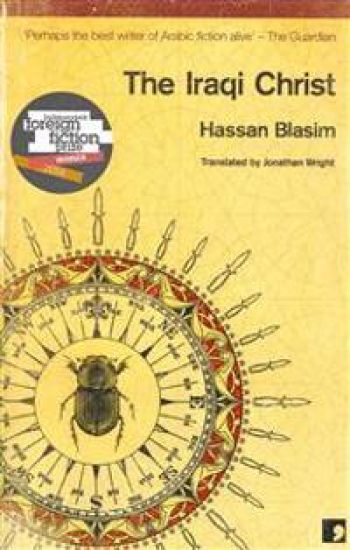
Hassan Blasim är författaren som revolutionerat den arabiska litteraturen – från Finland. 2014 fick han sitt internationella genombrott, då The Independent utnämnde Irakisk Kristus till årets bästa översatta bok. Boken rankades dessutom som ”Book of the Year” i Publisher’s Weekly. Berättelserna i Irakisk Kristus skildrar det infernaliska tillståndet i dagens Irak, och för tankarna till magisk realism, till Kafka och Borges, men också till den arabiska sagotraditionen.
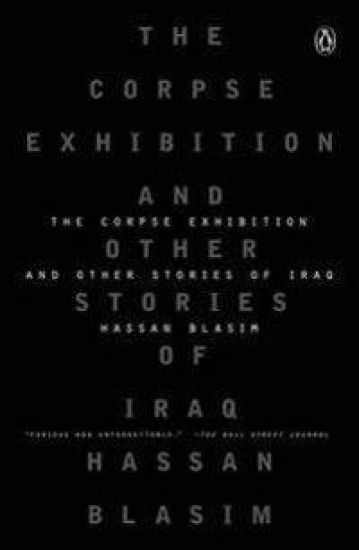
The Corpse Exhibition: And Other Stories of Iraq
Hassan Blasim
Penguin Publishing Group
2014
nidottu
Halvin toimitettuna 23,20 €
A blistering debut that does for the Iraqi perspective on the wars in Iraq and Afghanistan what Phil Klay's Redeployment does for the American perspective " A] wonderful collection." --George Saunders, The New York Times Book Review The first major literary work about the Iraq War from an Iraqi perspective--by an explosive new voice hailed as "perhaps the best writer of Arabic fiction alive" (The Guardian)--The Corpse Exhibition shows us the war as we have never seen it before. Here is a world not only of soldiers and assassins, hostages and car bombers, refugees and terrorists, but also of madmen and prophets, angels and djinni, sorcerers and spirits. Blending shocking realism with flights of fantasy, The Corpse Exhibition offers us a pageant of horrors, as haunting as the photos of Abu Ghraib and as difficult to look away from, but shot through with a gallows humor that yields an unflinching comedy of the macabre. Gripping and hallucinatory, this is a new kind of storytelling forged in the crucible of war.
From legends of the desert to horrors of the forest, Blasim's stories blend the fantastic with the everyday, the surreal with the all-too-real. Taking his cues from Kafka, his prose shines a dazzling light into the dark absurdities of Iraq's recent past and the torments of its countless refugees. The subject of this, his second collection, is primarily trauma and the curious strategies human beings adopt to process it (including, of course, fiction). The result is a masterclass in metaphor - a new kind of story-telling, forged in the crucible of war, and just as shocking.
From hostage-video makers in Baghdad, to human trafficking in the forests of Serbia, institutionalised paranoia in the Saddam years, to the nightmares of an exile trying to embrace a new life in Amsterdam... Blasim's stories present an uncompromising view of the West's relationship with Iraq, spanning over twenty years and taking in everything from the Iran-Iraq War through to the Occupation, as well as offering a haunting critique of the post-war refugee experience. Blending allegory with historical realism, and subverting readers' expectations in an unflinching comedy of the macabre, these stories manage to be both phantasmagoric and shockingly real, light in touch yet steeped in personal nightmare. For all their despair and darkness, though, what lingers more than the haunting images of war, or the insanity of those who would benefit from it, is the spirit of defiance, the indefatigable courage of those few characters keeping faith with what remains of human intelligence. Together these stories represent the first major literary work about the war from an Iraqi perspective.
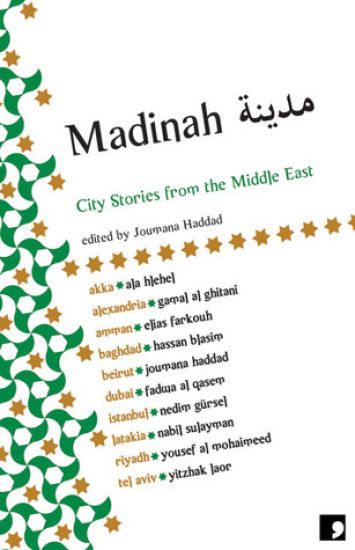
Madinah
Nedim Gursel; Gamal Al-Ghitani; Fadwa Al-Qasem; Ala Hlehel; Hassan Blasim; Yousef Al-Mohaimeed; Elias Farkouh; Nabil Sulayman; Joumana Haddad; Yitzhak Laor
Comma Press
2008
nidottu
Conjuring the unpredictability of city life in the Middle East, this compilation of stories reveals the metropolis itself through a vibrant assortment of personalities. From the celebrated author collecting an award in the city that exiled him decades before to the forlorn lover waiting at a rendezvous as government officials raid nearby shops, this anthology shows how urban existence is changing faster than ever. Additional tales include engineers racing to complete another "world's tallest building" in Dubai, American helicopters patrolling the Martyrs Bridge in Baghdad, and an Israeli general who invites guests to watch promotional videos for the tank that will "win the next war" while eating biscuits and reciting poetry, all revealing that it is not the landmarks but the people that define the communities across this region. Opening the door to a diversity of subtle and concealed elements, these narratives illustrate how much is not known about this fascinating part of the world.