Kirjojen hintavertailu – 12 859 828 kirjaa ja 27 kauppaa

Kirjailija

Heidi A. Campbell

Kirjat ja teokset yhdessä paikassa: 7 kirjaa, julkaisuja vuosilta 2016–2025, suosituimpiin kuuluu God and Technology. Vertaile teosten hintoja ja tarkista saatavuus suomalaisista kirjakaupoista.

7 kirjaa

Kirjojen julkaisuvuodet: 2016–2025.

God and Technology

God and Technology

Heidi A. Campbell

Cambridge University Press
2025
sidottu
This Element brings work from the philosophy of technology into conversation with media, religion, culture studies, and work in digital religion studies to explore examples of how popular media and emerging technologies are increasingly framed and understood through a distinct range of spiritual myths, metaphors, images, and representations of God. Working with three case studies about how internet memes, popular films, and media coverage of public philosophy link ideas about God and technology, this Element draws attention to common conceptions that describe a perceived relationship between religion and technology today. It synthesizes these discussions and categories and presents them in four distinct models, showing a range of ways in which the relationship between God and technology is commonly depicted. The Element seeks to create a platform for scholarly study and critical discourse on technology's religious and spiritual representation in digital and emerging media cultures and contexts through this work.
God and Technology

God and Technology

Heidi A. Campbell

Cambridge University Press
2025
pokkari
This Element brings work from the philosophy of technology into conversation with media, religion, culture studies, and work in digital religion studies to explore examples of how popular media and emerging technologies are increasingly framed and understood through a distinct range of spiritual myths, metaphors, images, and representations of God. Working with three case studies about how internet memes, popular films, and media coverage of public philosophy link ideas about God and technology, this Element draws attention to common conceptions that describe a perceived relationship between religion and technology today. It synthesizes these discussions and categories and presents them in four distinct models, showing a range of ways in which the relationship between God and technology is commonly depicted. The Element seeks to create a platform for scholarly study and critical discourse on technology's religious and spiritual representation in digital and emerging media cultures and contexts through this work.
Digital Religion: The Basics

Digital Religion: The Basics

Heidi A. Campbell; Wendi Bellar

TAYLOR FRANCIS LTD
2022
nidottu
Digital Religion: The Basics explores how digital media and internet platforms are transforming religious practice in a digital age and the impact this has had on religious culture in contemporary society. Through exploring six defining characteristics of how religion is acted out online, including multisite reality, convergence practice, networked community, storied identity, shifting authority, and experiential authenticity, the book considers how digital religion both shapes, and is influenced by, religion offline. Questions asked include:How is religion being performed and reimagined through digital media and cultures? In what ways do the practices of religion online merge or correspond with shifts in perspective taking place in offline religious practice? How do the key findings of religion online reflect broader social, cultural, and structural practices observed within mobile, networked society? With case studies and further readings, Digital Religion: The Basics is a must-read for students wanting to come to grips with how religion is changing and experienced through digital media.
Digital Religion: The Basics

Digital Religion: The Basics

Heidi A. Campbell; Wendi Bellar

TAYLOR FRANCIS LTD
2022
sidottu
Digital Religion: The Basics explores how digital media and internet platforms are transforming religious practice in a digital age and the impact this has had on religious culture in contemporary society. Through exploring six defining characteristics of how religion is acted out online, including multisite reality, convergence practice, networked community, storied identity, shifting authority, and experiential authenticity, the book considers how digital religion both shapes, and is influenced by, religion offline. Questions asked include:How is religion being performed and reimagined through digital media and cultures? In what ways do the practices of religion online merge or correspond with shifts in perspective taking place in offline religious practice? How do the key findings of religion online reflect broader social, cultural, and structural practices observed within mobile, networked society? With case studies and further readings, Digital Religion: The Basics is a must-read for students wanting to come to grips with how religion is changing and experienced through digital media.
Digital Creatives and the Rethinking of Religious Authority
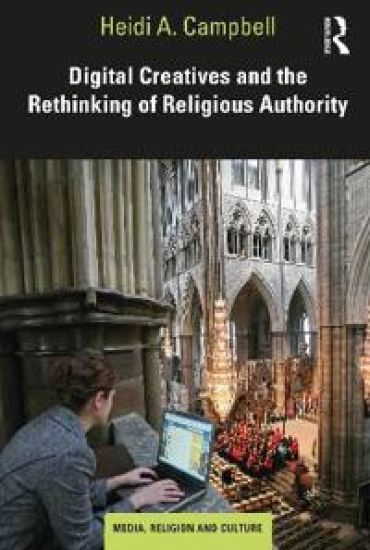
Much speculation was raised in the 1990s, during the first decade of internet research, about the extent to which online platforms and digital culture might challenge traditional understandings of authority, especially in religious contexts. Digital Creatives and the Rethinking of Religious Authority explores the ways in which religiously-inspired digital media experts and influencers online challenge established religious leaders and those who seek to maintain institutional structures in a world where online and offline religious spaces are increasingly intertwined. In the twenty-first century, the question of how digital culture may be reshaping notions of whom or what constitutes authority is incredibly important. Questions asked include: Who truly holds religious power and influence in an age of digital media? Is it recognized religious leaders and institutions? Or religious digital innovators? Or digital media users? What sources, processes and/or structures can and should be considered authoritative online, and offline? Who or what is really in control of religious technological innovation? This book reflects on how digital media simultaneously challenges and empowers new and traditional forms of religious authority. It is a gripping read for those with an interest in communication, culture studies, media studies, religion/religious studies, sociology of religion, computer-mediated communication, and internet/digital culture studies.
Networked Theology – Negotiating Faith in Digital Culture

Networked Theology – Negotiating Faith in Digital Culture

Heidi A. Campbell; Stephen Garner; William Dyrness; Robert Johnston

Baker Academic, Div of Baker Publishing Group
2016
nidottu
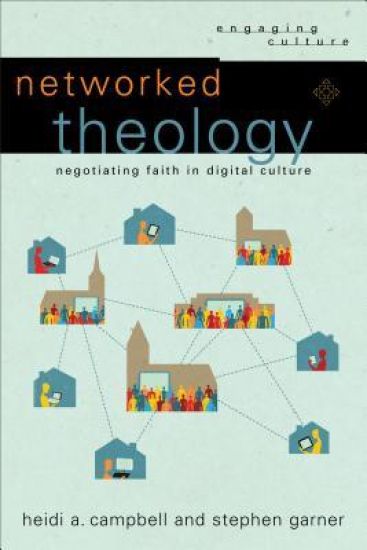
2018 Clifford G. Christians Ethics Research AwardThis informed theology of communication and media analyzes how we consume new media and technologies and discusses the impact on our social and religious lives. Combining expertise in religion online, theology, and technology, the authors synthesize scholarly work on religion and the internet for a nonspecialist audience. They show that both media studies and theology offer important resources for helping Christians engage in a thoughtful and faith-based critical evaluation of the effect of new media technologies on society, our lives, and the church.