Kirjojen hintavertailu – 12 903 725 kirjaa ja 27 kauppaa
Kirjailija
Heidi M. Neck
Kirjat ja teokset yhdessä paikassa: 6 kirjaa, julkaisuja vuosilta 2014–2024, suosituimpiin kuuluu Entrepreneurship - International Student Edition. Vertaile teosten hintoja ja tarkista saatavuus suomalaisista kirjakaupoista.
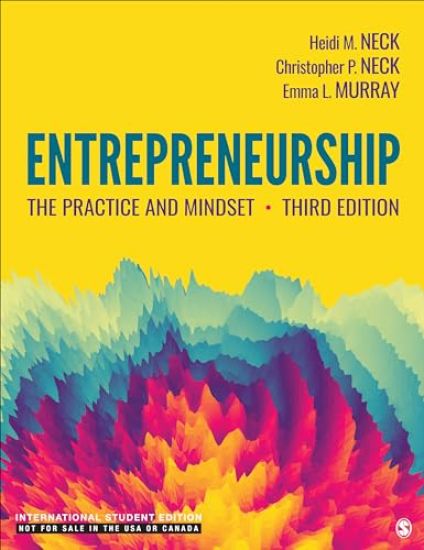
Entrepreneurship: The Practice and Mindset catapults students beyond the classroom by helping them develop an entrepreneurial mindset so they can create opportunities and take action in uncertain environments. Based on the world-renowned Babson Entrepreneurship program, this text emphasizes practice and learning through action. Students learn entrepreneurship by taking small actions to get feedback, experiment, and move ideas forward. They will walk away from this text with the entrepreneurial mindset, skillset, and toolset that can be applied to startups as well as organizations of all kinds. Whether your students have backgrounds in business, liberal arts, engineering, or the sciences, this text will take them on a transformative journey and teaches them crucial life skills
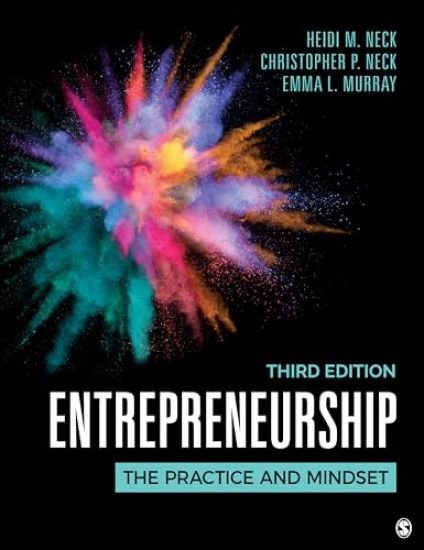
Recipient of a 2021 Textbook Excellence Award from the Textbook & Academic Authors Association (TAA) Entrepreneurship: The Practice and Mindset emphasizes practice and learning through action, helping students adopt an entrepreneurial mindset so they can create opportunities and take action in uncertain environments. Based on the world-renowned Babson Entrepreneurship program, the updated Third Edition aids in the development of the entrepreneurial skillset and toolset that can be applied to startups as well as organizations of all kinds. Whether your students have backgrounds in business, liberal arts, engineering, or the sciences, this text will take them on a transformative journey and teach them crucial life skills.
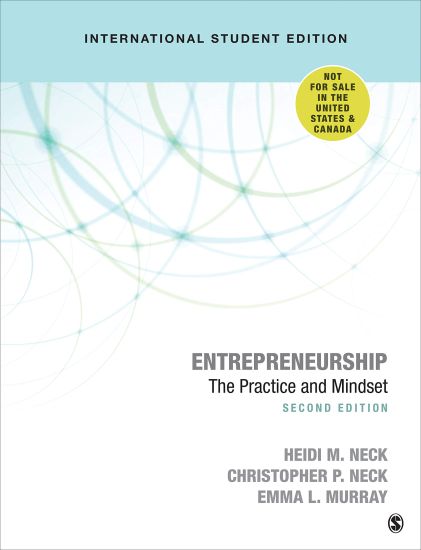
From Heidi Neck, one of the most influential thinkers in entrepreneurship education today, Chris Neck, an award-winning professor, and Emma Murray, business consultant and author, comes the new edition of this ground-breaking text. Entrepreneurship: The Practice and Mindset catapults students beyond the classroom by helping them develop an entrepreneurial mindset so they can create opportunities and take action in uncertain environments. Based on the world-renowned Babson Entrepreneurship program, this text emphasizes practice and learning through action. Students learn entrepreneurship by taking small actions and interacting with stakeholders in order to get feedback, experiment, and move ideas forward. They will walk away from this text with the entrepreneurial mindset, skillset, and toolset that can be applied to startups as well as organizations of all kinds. Whether your students have backgrounds in business, liberal arts, engineering, or the sciences, this text will take them on a transformative journey and teaches them life skills needed by all. New to the Second Edition is a chapter on developing your customers, updated case studies, Mindshift Activities and Entrepreneurship in Action profiles, and expanded coverage of prototyping, incubators, accelerators, building teams, and marketing trends.
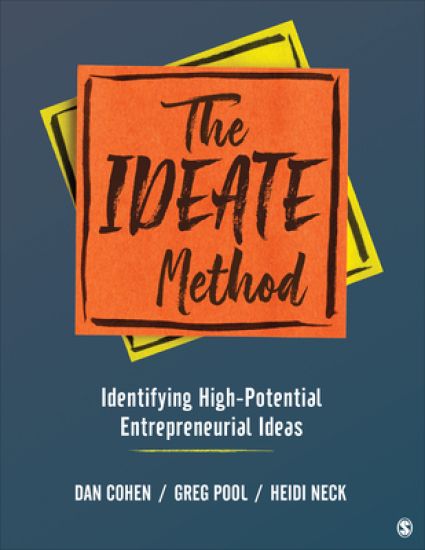
Generating new ideas that create substantial value is at the very core of entrepreneurship. The IDEATE Method is an ideation method empirically proven to help students identify problems, develop creative solutions, and select the most innovate entrepreneurial idea. Authors Daniel Cohen, Gregory Pool, and Heidi Neck emphasize the importance of deliberate practice and repetition as they guide students through each phase of the method: Identify, Discover, Enhance, Anticipate, Target, and Evaluate. Goal-directed activities and self-reflection questions help students develop their entrepreneurial mindset and skillset.
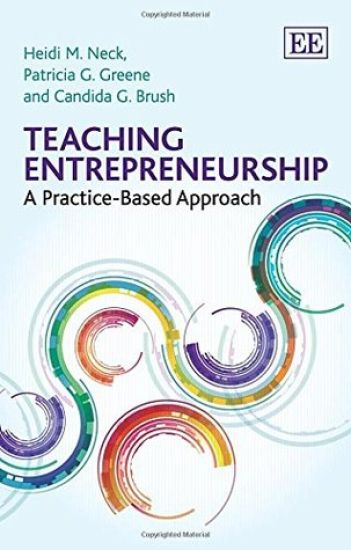
'Of course, entrepreneurship can be taught, and this books shows how. Using scholarly research as the foundation, the authors have crafted a set of practices to foster entrepreneurial thinking that should be incorporated in all courses across the entire curriculum.'- Tina Seelig, Stanford University, US'Practice makes perfect and Babson professors Neck, Greene and Brush lead the way for global management education s thirst for excellence in entrepreneurship education. Teaching Entrepreneurship is an excellent read and detailed guide for creating a strong program that inspires innovation and entrepreneurial strategies for business academics and practitioners.'- John Fernandes, President and Chief Executive Officer, AACSB International'Teaching Entrepreneurship further validates how thoroughly Heidi, Patricia, and Candida understand the future of this incredibly vital field. The idea that aspiring entrepreneurs and their professors should be instructed in a method that increases their emotional intelligence and their business acumen is extraordinary. This is the book that the faculty at Paul Quinn College and I have been waiting for. That applause you hear in the background is our current and future students and the lives they will change through this version of entrepreneurship.'- Michael J. Sorrell, President, Paul Quinn College, USTeaching Entrepreneurship moves entrepreneurship education from the traditional process view to a practice-based approach and advocates teaching entrepreneurship using a portfolio of practices, which includes play, empathy, creation, experimentation, and reflection. Together these practices help students develop the competency to think and act entrepreneurially in order to create, find, and exploit opportunities of all kinds in a continuously changing and uncertain world. Divided into two parts, the book is written for those educators who want their students to develop a bias for action and who are willing to explore new approaches in their own classrooms. A set of 42 exercises with detailed teaching notes is also included to help educators effectively teach the practices in their curriculum. Entrepreneurship educators will find a great deal of useful knowledge in this volume, which provides relevant, targeted exercises for immediate application in the classroom. Contents: 1. Teaching Entrepreneurship as a Method that Requires Practice The Practices of Entrepreneurship Education: The Theory 2. The Practice of Play 3. The Practice of Empathy 4. The Practice of Creation 5. The Practice of Experimentation 6. The Practice of Reflection The Practices of Entrepreneurship Education: The Application 7. Exercises to Practice Play 8. Exercises to Practice Empathy 9. Exercises to Practice Creation 10. Exercises to Practice Experimentation 11. Exercises to Practice Reflection 12. A Final Note: The Practices Support Accreditation Index
'Of course, entrepreneurship can be taught, and this books shows how. Using scholarly research as the foundation, the authors have crafted a set of practices to foster entrepreneurial thinking that should be incorporated in all courses across the entire curriculum.'- Tina Seelig, Stanford University, US'Practice makes perfect and Babson professors Neck, Greene and Brush lead the way for global management education s thirst for excellence in entrepreneurship education. Teaching Entrepreneurship is an excellent read and detailed guide for creating a strong program that inspires innovation and entrepreneurial strategies for business academics and practitioners.'- John Fernandes, President and Chief Executive Officer, AACSB International'Teaching Entrepreneurship further validates how thoroughly Heidi, Patricia, and Candida understand the future of this incredibly vital field. The idea that aspiring entrepreneurs and their professors should be instructed in a method that increases their emotional intelligence and their business acumen is extraordinary. This is the book that the faculty at Paul Quinn College and I have been waiting for. That applause you hear in the background is our current and future students and the lives they will change through this version of entrepreneurship.'- Michael J. Sorrell, President, Paul Quinn College, USTeaching Entrepreneurship moves entrepreneurship education from the traditional process view to a practice-based approach and advocates teaching entrepreneurship using a portfolio of practices, which includes play, empathy, creation, experimentation, and reflection. Together these practices help students develop the competency to think and act entrepreneurially in order to create, find, and exploit opportunities of all kinds in a continuously changing and uncertain world. Divided into two parts, the book is written for those educators who want their students to develop a bias for action and who are willing to explore new approaches in their own classrooms. A set of 42 exercises with detailed teaching notes is also included to help educators effectively teach the practices in their curriculum. Entrepreneurship educators will find a great deal of useful knowledge in this volume, which provides relevant, targeted exercises for immediate application in the classroom. Contents: 1. Teaching Entrepreneurship as a Method that Requires Practice The Practices of Entrepreneurship Education: The Theory 2. The Practice of Play 3. The Practice of Empathy 4. The Practice of Creation 5. The Practice of Experimentation 6. The Practice of Reflection The Practices of Entrepreneurship Education: The Application 7. Exercises to Practice Play 8. Exercises to Practice Empathy 9. Exercises to Practice Creation 10. Exercises to Practice Experimentation 11. Exercises to Practice Reflection 12. A Final Note: The Practices Support Accreditation Index