
Kirjojen hintavertailu – 12 903 725 kirjaa ja 27 kauppaa

Kirjailija

Heiner Fruehauf

Kirjat ja teokset yhdessä paikassa: 2 kirjaa, julkaisuja vuosilta 2014–2021, suosituimpiin kuuluu Pricking the Vessels. Vertaile teosten hintoja ja tarkista saatavuus suomalaisista kirjakaupoista.

2 kirjaa

Kirjojen julkaisuvuodet: 2014–2021.

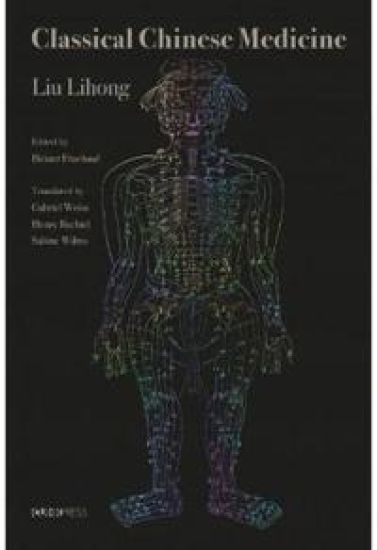
Classical Chinese Medicine

Classical Chinese Medicine

Liu Lihong; Gabriel Weiss; Henry A. Buchtel; Sabine Wilms; Heiner Fruehauf

The Chinese University Press
2021
sidottu
The English edition of Liu Lihong’s work is a milestone for the profession of Chinese medicine in the 21st century. Classical Chinese Medicine delivers a straightforward critique of the politically motivated 'integration' of traditional Chinese wisdom with Western science during the last sixty years, and represents an ardent appeal for the recognition of Chinese medicine as a science in its own right. Professor Liu’s candid presentation has made this book a bestseller in China, treasured not only by medical students and doctors, but by vast numbers of non-professionals who long for a state of health and well-being that is founded in a deeper sense of cultural identity. Oriental medicine education has made great strides in the West since the 1970s, but clear guidelines regarding the 'traditional' nature of Traditional Chinese Medicine (TCM) remain undefined. Classical Chinese Medicine not only delineates the educational and clinical problems faced by the profession in both East and West, but provides concrete guidance on how to effectively engage with ancient texts and designs in the postmodern age. Using the example of the Shanghanlun (Treatise on Cold Damage), one of the most important Chinese medicine classics, Liu Lihong develops a compelling roadmap for holistic medical thinking that links the human body to nature and the universe at large.
Pricking the Vessels

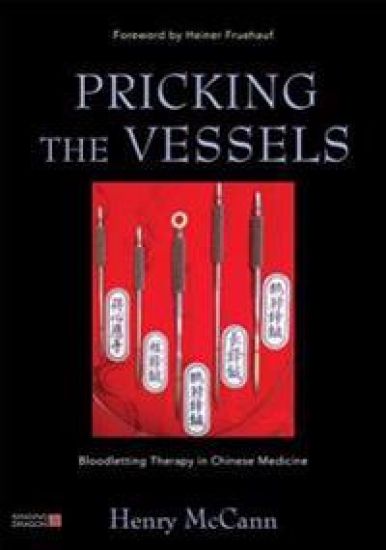
Pricking the Vessels

Heiner Fruehauf; Henry McCann

Singing Dragon
2014
pokkari
The first text on bloodletting therapy for Western practitioners of Chinese medicine, this authoritative text explores the theory and function of bloodletting, and provides detailed instruction on its clinical use. Bloodletting therapy, which works to remove internal and external disruptions to the system through the withdrawal of small quantities of blood, has numerous benefits, especially concerning the treatment of complex or chronic disease. Yet the technique is often met with alarm in the West and side-lined in favour of less controversial treatments such as fine-needle acupuncture, and moxibustion. This book provides a concise overview of its theory, historical and contemporary relevance, and clinical guidance. With detailed reference to the classic texts, the author clarifies the fundamental Chinese medical theory related to blood and the network vessels, and provides an in-depth discussion of the benefits of and practice guidelines for bloodletting. The book includes a chapter on the classical acupuncture techniques of Tung Ching Chang whose work is attracting increasing attention in the West. Through the exploration of classic texts and contemporary standards, the book provides everything needed to gain a comprehensive understanding of the technique and to encourage its use as a viable treatment option in the West. It will be an invaluable addition to the resources available for acupuncturists, as well as students and practitioners of Chinese medicine more generally, including those interested in all Chinese approaches to health.