

Kirjailija
Heinrich August Winkler
Kirjat ja teokset yhdessä paikassa: 26 kirjaa, julkaisuja vuosilta 1971–2025, suosituimpiin kuuluu Warum es so gekommen ist. Vertaile teosten hintoja ja tarkista saatavuus suomalaisista kirjakaupoista.
26 kirjaa
Kirjojen julkaisuvuodet: 1971–2025.
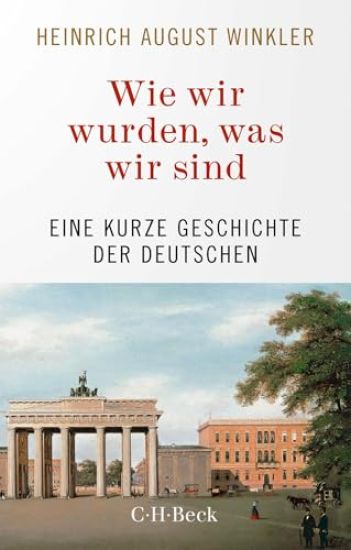
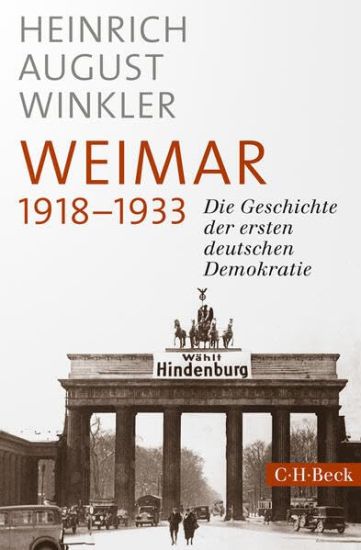
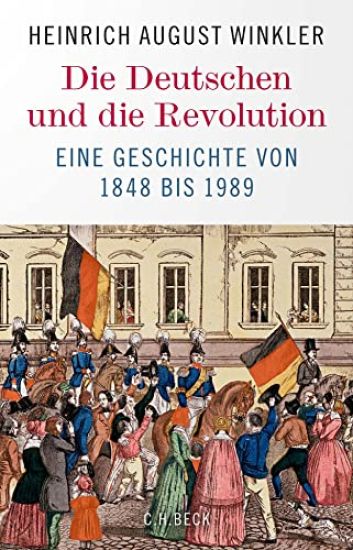
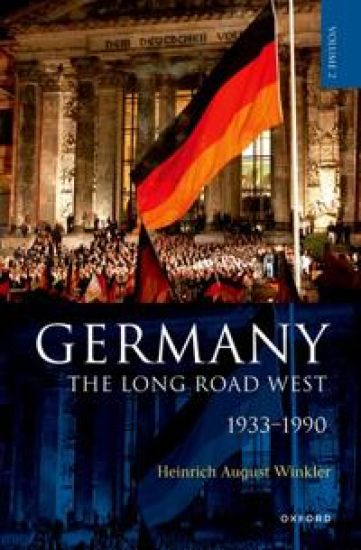
Vivid, succinct, and highly accessible, Heinrich Winkler's magisterial history of modern Germany offers the history of a nation and its people through two turbulent centuries. It is the story of a country that, while always culturally identified with the West, long resisted the political trajectories of its neighbours. This second and final volume begins at the point of the collapse of the first German democracy, and ends with the joining of East and West Germany in the reunification of 1990. Winkler offers a brilliant synthesis of complex events and illuminates them with fresh insights. He analyses the decisions that shaped the country's triumphs and catastrophes, interweaving high politics with telling vignettes about the German people and their own self-perception. The two volumes of Germany: The Long Road West, exploring the history of the German lands from the final days of the Holy Roman Empire to the very first of a reunified state in the late twentieth century, will be welcomed by scholars, students, and anyone wishing to understand a most complex and contradictory past.
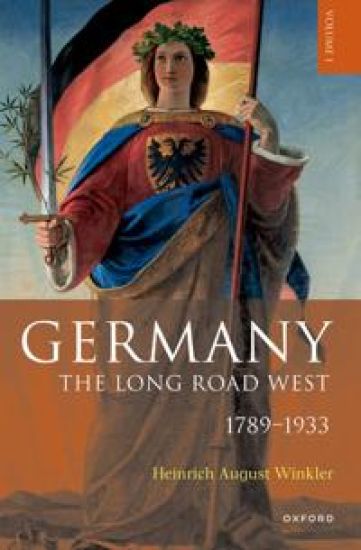
Vivid, succinct, and highly accessible, Heinrich Winkler's magisterial history of modern Germany offers the history of a nation and its people through two turbulent centuries. It is the story of a country that, while always culturally identified with the West, long resisted the political trajectories of its neighbours. This first volume (of two) begins with the origins and consequences of the medieval myth of the 'Reich', which was to experience a fateful renaissance in the twentieth century, and ends with the collapse of the first German democracy. Winkler offers a brilliant synthesis of complex events and illuminates them with fresh insights. He analyses the decisions that shaped the country's triumphs and catastrophes, interweaving high politics with telling vignettes about the German people and their own self-perception. With a second volume that takes the story up to reunification in 1990, Germany: The Long Road West will be welcomed by scholars, students, and anyone wishing to understand this most complex and contradictory of countries.

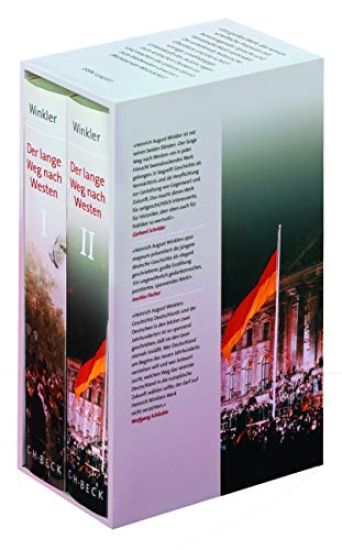
Der lange Weg nach Westen - Deutsche Geschichte I und II
Heinrich August Winkler
C.H. BECK
2020
nidottu
One of Germany's leading historians presents an ambitious and masterful account of the years encompassing the two world wars Characterized by global war, political revolution and national crises, the period between 1914 and 1945 was one of the most horrifying eras in the history of the West. A noted scholar of modern German history, Heinrich August Winkler examines how and why Germany so radically broke with the normative project of the West and unleashed devastation across the world. In this total history of the thirty years between the start of World War One and the dropping of atomic bombs on Hiroshima and Nagasaki, Winkler blends historical narrative with political analysis and encompasses military strategy, national identity, class conflict, economic development and cultural change. The book includes astutely observed chapters on the United States, Japan, Russia, Britain, and the other European powers, and Winkler's distinctly European perspective offers insights beyond the accounts written by his British and American counterparts. As Germany takes its place at the helm of a unified Europe, Winkler's fascinating account will be widely read and debated for years to come.
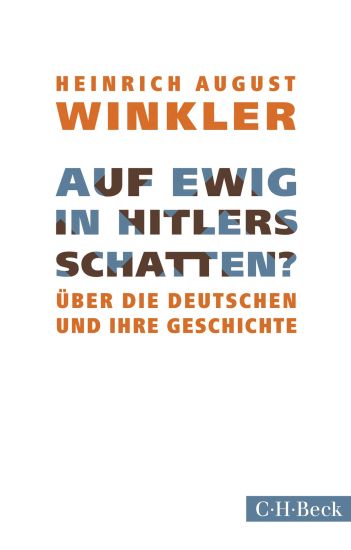
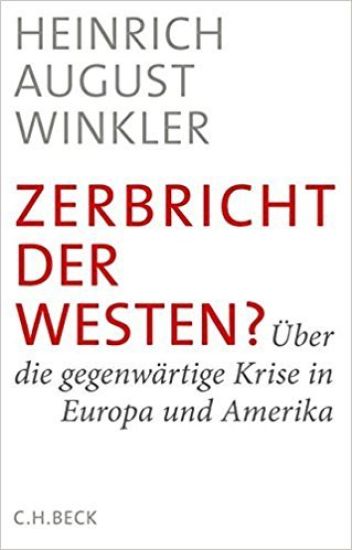
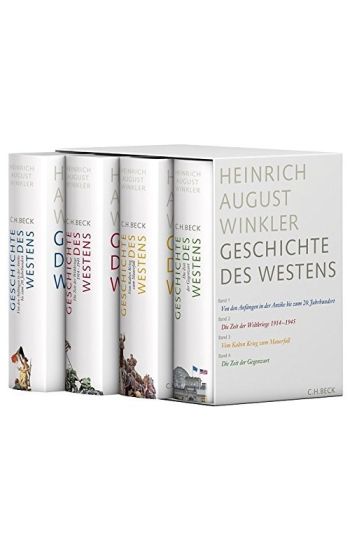
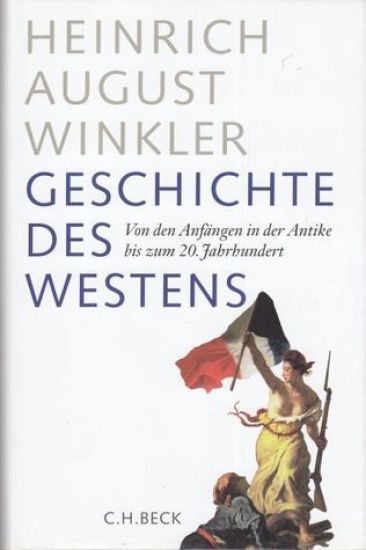
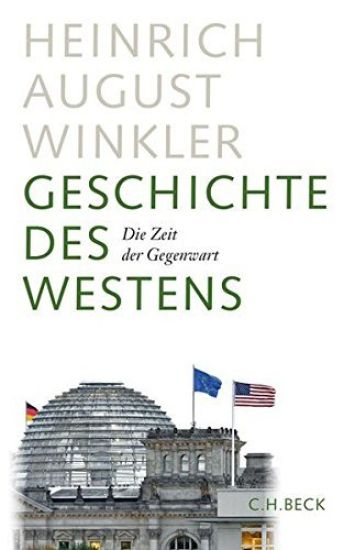
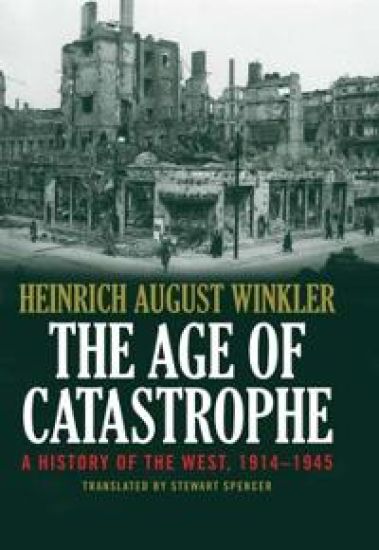
One of Germany’s leading historians presents an ambitious and masterful account of the years encompassing the two world wars Characterized by global war, political revolution and national crises, the period between 1914 and 1945 was one of the most horrifying eras in the history of the West. A noted scholar of modern German history, Heinrich August Winkler examines how and why Germany so radically broke with the normative project of the West and unleashed devastation across the world. In this total history of the thirty years between the start of World War One and the dropping of atomic bombs on Hiroshima and Nagasaki, Winkler blends historical narrative with political analysis and encompasses military strategy, national identity, class conflict, economic development and cultural change. The book includes astutely observed chapters on the United States, Japan, Russia, Britain, and the other European powers, and Winkler’s distinctly European perspective offers insights beyond the accounts written by his British and American counterparts. As Germany takes its place at the helm of a unified Europe, Winkler’s fascinating account will be widely read and debated for years to come.