
Kirjailija
Heinz Bude
Kirjat ja teokset yhdessä paikassa: 13 kirjaa, julkaisuja vuosilta 1987–2025, suosituimpiin kuuluu Transit 64. Vertaile teosten hintoja ja tarkista saatavuus suomalaisista kirjakaupoista.
13 kirjaa
Kirjojen julkaisuvuodet: 1987–2025.


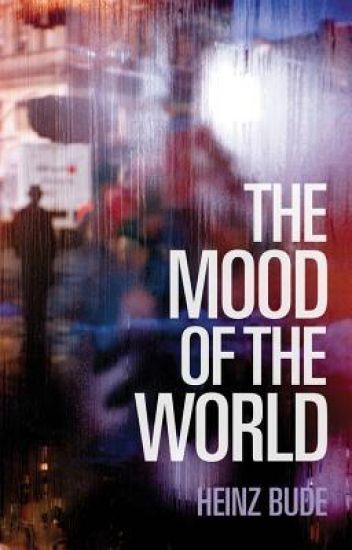
In many western societies today the optimism of the 1990s and early 2000s has given way to a deep unease and sense of foreboding. In the aftermath of the financial crisis, many people feel worse off and the future seems bleak. The mood has changed – that’s clear. But what is ‘the mood’? How can feelings be shared by many people, and how do these shared feelings shape the course of events? In this book, the sociologist Heinz Bude offers a highly original analysis of this vital but neglected topic. Moods, he argues, are ways of being in the world. Moods shape how we experience the world, which feelings and thoughts suggest themselves to us and which are excluded. But moods are not purely private: on the contrary, they form the basic tone or colouring of our collective existence and experience. They are crucial in determining our political outlook and preferences, our attitudes and identities, and they provide much of the energy that underlies forms of collective action, including social movements that seem to appear suddenly from nowhere. With the growing significance of a politics of discontent, Bude’s insightful analysis of the power of collective moods could not be more relevant. His book will appeal to anyone wanting to understand how our societies are changing in these profoundly uncertain times.
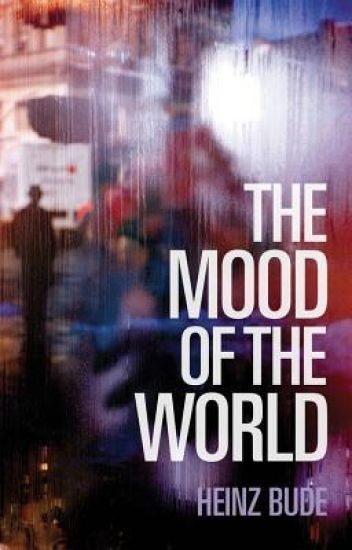
In many western societies today the optimism of the 1990s and early 2000s has given way to a deep unease and sense of foreboding. In the aftermath of the financial crisis, many people feel worse off and the future seems bleak. The mood has changed – that’s clear. But what is ‘the mood’? How can feelings be shared by many people, and how do these shared feelings shape the course of events? In this book, the sociologist Heinz Bude offers a highly original analysis of this vital but neglected topic. Moods, he argues, are ways of being in the world. Moods shape how we experience the world, which feelings and thoughts suggest themselves to us and which are excluded. But moods are not purely private: on the contrary, they form the basic tone or colouring of our collective existence and experience. They are crucial in determining our political outlook and preferences, our attitudes and identities, and they provide much of the energy that underlies forms of collective action, including social movements that seem to appear suddenly from nowhere. With the growing significance of a politics of discontent, Bude’s insightful analysis of the power of collective moods could not be more relevant. His book will appeal to anyone wanting to understand how our societies are changing in these profoundly uncertain times.
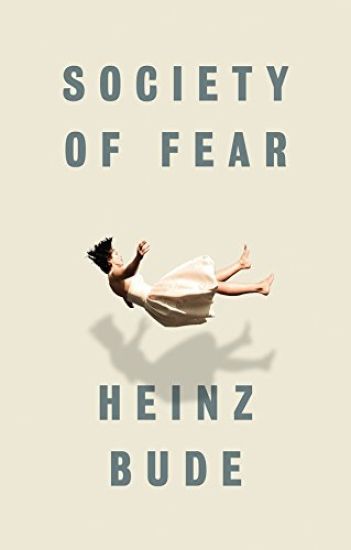
From the rise of terrorism to the uncertainties associated with economic crisis and recession, our age is characterized by fear. Fear is the expression of a society on unstable foundations. Most of us feel that our social status is under threat and our future prospects in jeopardy. We are overwhelmed by a sense of having been catapulted into a world to which we no longer belong. Tracing this experience of fear, Heinz Bude uncovers a society marked by disturbing uncertainty, suppressed anger and quiet resentment. This is as true in our close relationships as it is in the world of work, in how we react to politicians as much as in our attitudes towards bankers and others in the financial sector. Bude shows how this fear is not derived so much from a 'powerful other' but rather from the seemingly endless range of possibilities which we face. While this may seem to offer us greater autonomy and freedom, in reality the unknown impact and meaning of each option creates a vacuum which is filled by fear. What conditions lead people to feel anxious and fearful for themselves and others? How can individuals withstand fear and develop ways of making their fears intelligible? Probing these and other questions, Bude provides a fresh analysis of some of the most fundamental features of our societies today.
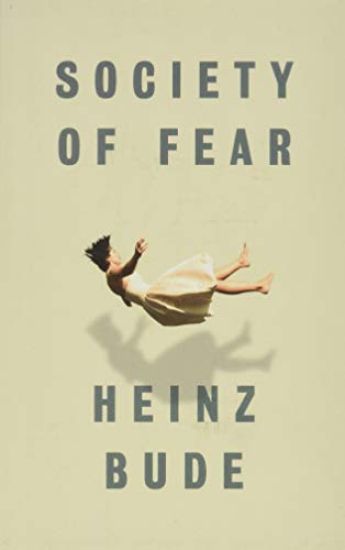
From the rise of terrorism to the uncertainties associated with economic crisis and recession, our age is characterized by fear. Fear is the expression of a society on unstable foundations. Most of us feel that our social status is under threat and our future prospects in jeopardy. We are overwhelmed by a sense of having been catapulted into a world to which we no longer belong. Tracing this experience of fear, Heinz Bude uncovers a society marked by disturbing uncertainty, suppressed anger and quiet resentment. This is as true in our close relationships as it is in the world of work, in how we react to politicians as much as in our attitudes towards bankers and others in the financial sector. Bude shows how this fear is not derived so much from a 'powerful other' but rather from the seemingly endless range of possibilities which we face. While this may seem to offer us greater autonomy and freedom, in reality the unknown impact and meaning of each option creates a vacuum which is filled by fear. What conditions lead people to feel anxious and fearful for themselves and others? How can individuals withstand fear and develop ways of making their fears intelligible? Probing these and other questions, Bude provides a fresh analysis of some of the most fundamental features of our societies today.