Kirjojen hintavertailu – 12 903 725 kirjaa ja 27 kauppaa

Kirjailija

Heinz Klug

Kirjat ja teokset yhdessä paikassa: 6 kirjaa, julkaisuja vuosilta 2000–2026, suosituimpiin kuuluu The Constitution of South Africa. Vertaile teosten hintoja ja tarkista saatavuus suomalaisista kirjakaupoista.

6 kirjaa

Kirjojen julkaisuvuodet: 2000–2026.

The Constitution of South Africa

The Constitution of South Africa

Heinz Klug

BLOOMSBURY PUBLISHING PLC
2026
nidottu
This new edition of the leading introduction to the subject presents the South African Constitution in its historical and social context. The book provides students and teachers of constitutional law and politics an invaluable resource through which to understand the emergence, development and continuing application of the supreme law of South Africa. The chapters present a detailed analysis of the different provisions of the Constitution, providing a clear, accessible and informed view of the Constitution's structure and role in the new South Africa. Main themes include a description of the historical context and emergence of the Constitution through the democratic transition; the implementation of the Constitution and its role in building a new democratic society; the interaction of the Constitution with the existing law and legal institutions, including the common law, indigenous law and traditional authorities; as well as a focus on the strains placed on the new constitutional order by both the historical legacies of apartheid and new problems facing South Africa.
The Constitution of South Africa

The Constitution of South Africa

Heinz Klug

BLOOMSBURY PUBLISHING PLC
2025
sidottu
This new edition of the leading introduction to the subject presents the South African Constitution in its historical and social context. The book provides students and teachers of constitutional law and politics an invaluable resource through which to understand the emergence, development and continuing application of the supreme law of South Africa. The chapters present a detailed analysis of the different provisions of the Constitution, providing a clear, accessible and informed view of the Constitution's structure and role in the new South Africa. Main themes include a description of the historical context and emergence of the Constitution through the democratic transition; the implementation of the Constitution and its role in building a new democratic society; the interaction of the Constitution with the existing law and legal institutions, including the common law, indigenous law and traditional authorities; as well as a focus on the strains placed on the new constitutional order by both the historical legacies of apartheid and new problems facing South Africa.

The Rule of Law in South Africa

The Rule of Law in South Africa

Heinz Klug; Sanele Sibanda; Sindiso Mnisi Weeks

BLOOMSBURY PUBLISHING PLC
2023
sidottu
This book explores and relates the contentious history of law in the geographic and socio-political space that becomes South Africa, with the contested conceptions of the rule of law reflected in the practice and academic analysis of law in South Africa in the past and present. The rule of law and its relationship to the legacies of colonial-apartheid is central to the continuing political and social conflict in post-apartheid South Africa. This is a history of contestation over the idea and use of law by official institutions and the multitude of social movements, political organisations, and communities who have turned to law to defend against abuse of power or to challenge authority and assert claims. These claims have been based in both official and unofficial law and have been asserted in the name of tradition, human rights, and/or international law. The book addresses the rule of law under colonialism and apartheid, during the democratic transition, and under South Africa’s existing constitutional order. It also considers extra-legal influences on the rule of law, such as the political economy of the country, and delves into the lived experience of the rule of law in a society where legal pluralism shapes the lives of large portions of the population.
The Constitution of South Africa

The Constitution of South Africa

Heinz Klug

Hart Publishing
2010
nidottu
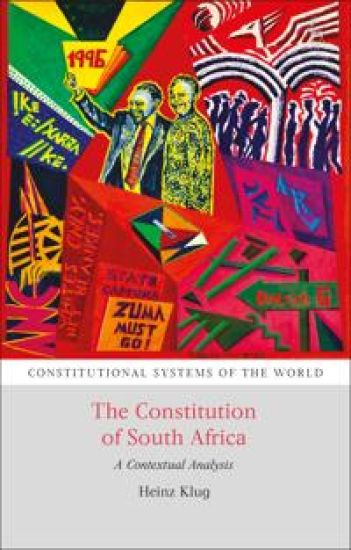
South Africa's 1996 'Final' Constitution is widely recognised as the crowning achievement of the country's dramatic transition to democracy. This transition began with the unbanning of the liberation movements and release of Nelson Mandela from prison in February 1990. This book presents the South African Constitution in its historical and social context, providing students and teachers of constitutional law and politics an invaluable resource through which to understand the emergence, development and continuing application of the supreme law of South Africa. The chapters present a detailed analysis of the different provisions of the Constitution, providing a clear, accessible and informed view of the constitution's structure and role in the new South Africa. The main themes include: a description of the historical context and emergence of the constitution through the democratic transition; the implementation of the constitution and its role in building a new democratic society; the interaction of the constitution with the existing law and legal institutions, including the common law, indigenous law and traditional authorities; as well as a focus on the strains placed on the new constitutional order by both the historical legacies of apartheid and new problems facing South Africa. Specific chapters address the historical context, the legal, political and philosophical sources of the constitution, its principles and structure, the bill of rights, parliament and executive as well as the constitution's provisions for cooperative government and regionalism. The final chapter discusses the challenges facing the Constitution and its aspirations in a democratic South Africa. The book is written in an accessible style, with an emphasis on clarity and concision. It includes a list of references for further reading at the end of each chapter.
Constituting Democracy

Constituting Democracy

Heinz Klug

Cambridge University Press
2000
pokkari
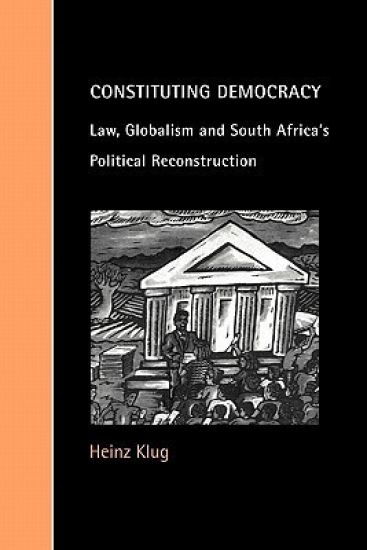
Against the backdrop of South Africa's transition from apartheid, this provocative book explores the role of late twentieth century constitutionalism in facilitating political change. Using South Africa as a case study, Klug's larger project is to investigate why there has been renewed faith in justiciable constitutions and democratic constitutionalism despite the widespread recognition that courts are institutionally weak, lack adequate resources and are largely inaccessible to most citizens. He places this question in a broader context, evaluating the appeal of different constitutional models and illustrating how globalized institutions can be adapted to serve local domestic needs. Incorporating constitutional law, politics and legal history, this examination of South Africa's constitution-making process provides important insights into the role of law in the transition to democracy.
Constituting Democracy

Constituting Democracy

Heinz Klug

Cambridge University Press
2000
sidottu
Against the backdrop of South Africa's transition from apartheid, this provocative book explores the role of late twentieth century constitutionalism in facilitating political change. Using South Africa as a case study, Klug's larger project is to investigate why there has been renewed faith in justiciable constitutions and democratic constitutionalism despite the widespread recognition that courts are institutionally weak, lack adequate resources and are largely inaccessible to most citizens. He places this question in a broader context, evaluating the appeal of different constitutional models and illustrating how globalized institutions can be adapted to serve local domestic needs. Incorporating constitutional law, politics and legal history, this examination of South Africa's constitution-making process provides important insights into the role of law in the transition to democracy.