Kirjojen hintavertailu – 12 903 725 kirjaa ja 27 kauppaa
Kirjailija
Helen Aveyard
Kirjat ja teokset yhdessä paikassa: 12 kirjaa, julkaisuja vuosilta 2016–2026, suosituimpiin kuuluu Audit, Service Evaluation and Research in Health and Social Care: Getting Started in Project Work. Vertaile teosten hintoja ja tarkista saatavuus suomalaisista kirjakaupoista.
This book is a comprehensive and simplified guide for undergraduate and postgraduate students in health and social care undertaking their research project. Containing clear guidance, real-life examples from student projects and signposting to additional resources, this book breaks down audit, service evaluations and systematic research processes to support students completing their small-scale project and inform later clinical practice.
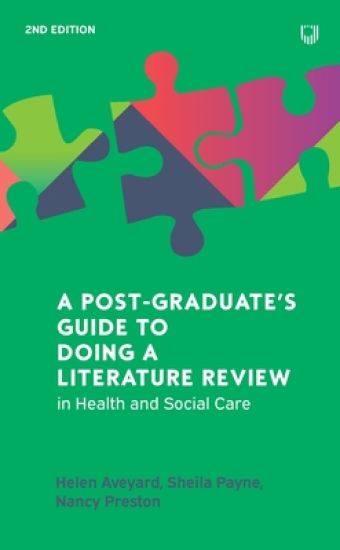
This book is a comprehensive guide for postgraduate students in health and social care. It breaks down the complexities of literature reviews, exploring various approaches and focusing on two key types: those preceding empirical research and standalone literature reviews. By addressing the unique challenges faced by students this book provides practical advice and guidance to help them excel in their academic endeavours.
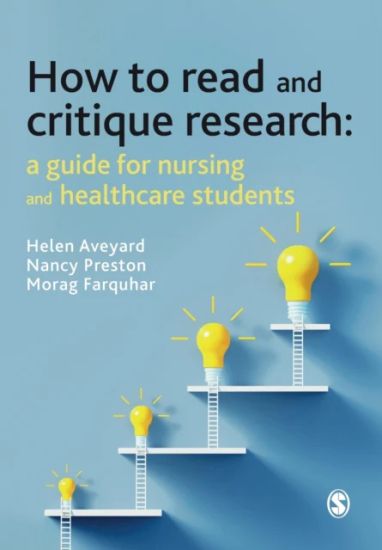
Reading, critiquing and using research is a key requirement of nursing and healthcare students to ensure evidence-based practice. This unique book will equip you with the skills you need to understand research and use it in your practice and academic assignments. What will you learn? Understanding research papers: Learn to read, understand, and critically appraise research papers, a skill vital for your studies and clinical practice. Research methods: Explore common research designs through real-world examples, making complex concepts accessible and relevant. Critical appraisal tools: Discover tools to evaluate the strengths and weaknesses of research studies, enhancing your ability to discuss evidence confidently. Why this book? Real-World Examples: Each chapter presents a research paper relevant to nursing practice, annotated to highlight key aspects and decisions. Expert Insights: Contributions from original researchers provide authentic perspectives and rationales. Accessible and Practical: Designed to make research approachable, with step-by-step guidance and contemporary examples. Fully updated in a second edition, featuring a new chapter on participatory action research and new glossary to demystify complex terminology. Embark on your journey to mastering research in nursing and health care with confidence and clarity. This book is your companion in developing the critical skills needed to excel in your studies and beyond.
Reading, critiquing and using research is a key requirement of nursing and healthcare students to ensure evidence-based practice. This unique book will equip you with the skills you need to understand research and use it in your practice and academic assignments. What will you learn? Understanding research papers: Learn to read, understand, and critically appraise research papers, a skill vital for your studies and clinical practice. Research methods: Explore common research designs through real-world examples, making complex concepts accessible and relevant. Critical appraisal tools: Discover tools to evaluate the strengths and weaknesses of research studies, enhancing your ability to discuss evidence confidently. Why this book? Real-World Examples: Each chapter presents a research paper relevant to nursing practice, annotated to highlight key aspects and decisions. Expert Insights: Contributions from original researchers provide authentic perspectives and rationales. Accessible and Practical: Designed to make research approachable, with step-by-step guidance and contemporary examples. Fully updated in a second edition, featuring a new chapter on participatory action research and new glossary to demystify complex terminology. Embark on your journey to mastering research in nursing and health care with confidence and clarity. This book is your companion in developing the critical skills needed to excel in your studies and beyond.
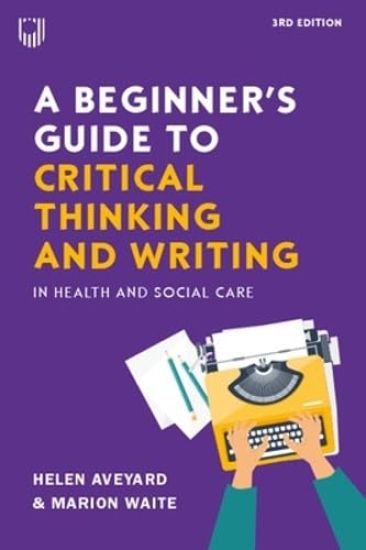
“From start to finish, this book gives a clear overview of the skills required to be successful at thinking critically both in academic work and within clinical practice.” Ruth Trout, Senior Lecturer in Acute Care, Programme and BSc Dissertation Lead, MSc Dissertation Supervisor, Buckinghamshire New University, UK “This third edition of this book continues where the first and second editions excelled - in providing the foundations of critical thinking for students of health and social care.” Dr David M Rea, School of Health and Social Care, Swansea University, UKEver been told to be ‘more critical’ in your essay writing? Ever wondered what critical thinking actually is and how you can apply it in your academic work and practice? Returning in its third edition, this bestselling guide takes you through every stage of becoming a critical thinker, from approaching your subject to writing your essays or dissertation in health and social care. Each chapter tackles a different aspect of critical thinking and shows you how it’s done using examples and simple language. Beginning with an overview of the importance of critical thinking, the book goes on to cover:How to think more critically about readily available informationHow to find the ‘best available’ evidence and be more critical of itHow to demonstrate critical thinking in written work and presentationsHow to adopt critical thinking in practiceHow critical thinking can play a key part in the development of health and social care servicesRefreshed with up-to-date theory and contemporary ideas throughout, this fully revised third edition includes:Further examples to illustrate important pointsAdditional activities to help deepen learningNew sections on writing with a critical voice from notetaking to a final draftAdvice about thinking and writing critically when using online resources and social mediaFurther developments to the key tool ‘Six questions for critical thinking’ which will assist you in developing your skills for academic work and practice - updated for this edition in response to student evaluationThis book is an essential purchase for students and qualified healthcare staff alike. Dr Helen Aveyard is a Principal Lecturer in the Oxford School of Nursing and Midwifery at Oxford Brookes University, UK. Dr Marion Waite is a Principal Lecturer in Nursing and Education in the Oxford School of Nursing and Midwiferyat Oxford Brookes University, UK.
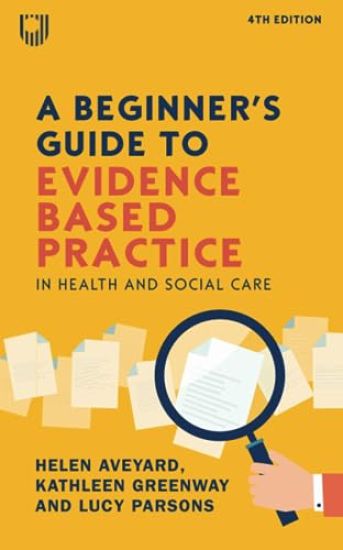
“This is a must-read for a range of professionals, offering a balanced yet critically aware appraisal of the significance of evidence-based/informed practice in a complex professional world.” Dr Steve J Hothersall, [Formerly, now retired] Head of Social Work, Mental Health and Learning Disability Nursing Education and Practice, Edge Hill University, Ormskirk, UK. “I would highly recommend this book to any clinicians or students looking to improve the way that they integrate evidence into their professional practice.” Professor Liz Halcomb, Professor of Primary Health Care Nursing, University of Wollongong, Australia.“Aveyard, Greenway and Parsons have provided an excellent guide to evidence-based practice in this updated edition which is ideal for undergraduate and postgraduate students and for practitioners.” Dr Hazel Partington University of Central Lancashire, UK Are you struggling with relating evidence to your practice? Do you want a straightforward, clearly written and practical guide to evidence-based practice? A Beginner's Guide to Evidence-Based Practice in Health and Social Care, 4th edition is the book for anyone who has ever wondered what evidence-based practice is, or how to relate it to practice or use it in academic work. Thoroughly revised with two new co-authors this brand new edition uses simple and jargon-free language to help those new to the topic. It provides an accessible step-by-step guide to what we mean by evidence in practice and how to apply this concept to learning and practice. This new edition features:• New explanations with examples from both health and social care practice, using a wide range of research that is also relevant outside of the UK• Coverage of new discourse on the use of evidence generated by COVID-19• Coverage on the role, need and quality of rapid reviews• New end-of-chapter questions to help assess how much you have learnedThis book provides an inter-professional approach and is key reading for both students and professionals who need to search for, appraise and apply evidence across nursing, allied health care or social care. Helen Aveyard is Principal Lecturer at Oxford Brookes University, UK with a background in nursing. Helen is author of Doing a Literature Review in Health and Social Care and co-author of A Postgraduates Guide to Doing a Literature Review in Health and Social Care and A Beginner’s Guide to Critical Thinking and Writing in Health and Social Care. Kathleen Greenway is Senior Lecturer in Adult Nursing at Oxford Brookes University, UK with a background in gastrointestinal and gerontological nursing. She completed her MA in Education at the Open University and her EdD at Oxford Brookes. She now teaches pre-registration, post graduate and Doctoral programme nursing. Lucy Parsons is Divisional Director of Nursing at Oxford University Hospitals NHS Trust, UK. She is also a student on the Professional Doctorate In Nursing programme at Oxford Brookes University, UK and her research interest is the implementation of Evidence-Based Practice.
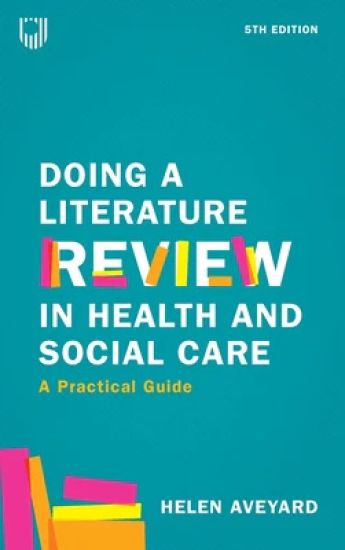
“If you want to understand, design, or carry out a literature review to improve the quality of care that you or others deliver, then look no further.” Dr Ray Samuriwo, Associate Professor in Adult Nursing, University of Bradford, UK“If I was to endorse only one research book in the future – this one would be it.” Ruth Trout, Senior Lecturer in Acute Care, Programme and BSc Dissertation Lead, MSc Dissertation Supervisor, Buckinghamshire New University, UK“This new edition provides the straightforward and accessible manual for successfully understanding and conducting literature reviews that we have come to expect from Aveyard.” Victoria Sweetmore, University of Derby, UKThis best-selling book, now in its fifth edition, is a step-by-step guide to doing a literature review for students in all areas of health and social care. It is essential reading for all those doing their undergraduate dissertation or any study that involves doing a literature review. The new edition maintains its signature ‘can do’ approach and provides a practical guide to doing a literature review from start to finish. This book includes:• A broad and updated range of real life examples of how to overcome challenges in the process• Tips on how to get your question right• Updated guidance on following a clear search strategy for relevant literature using the appropriate technology• Brand new and accessible chapter summaries• An expanded guide for the application of critical appraisal tools• An increased emphasis on presenting your findings or using them in practice• Tips and coverage on how to write up your reviewDoing a Literature Review in Health and Social Care is vital reading for anyone new to reviewing and presenting evidence in a review. Helen Aveyard is a Principal Lecturer at Oxford Brookes University, UK with a background in nursing. Helen is co-author of A Postgraduates Guide to Doing a Literature Review in Health and Social Care, A Beginner’s Guide to Evidence Based Practice and A Beginner’s Guide to Critical Thinking and Writing in Health and Social Care.
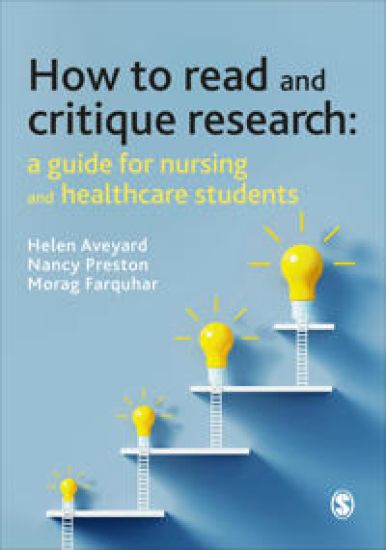
Do you find research challenging to read? Do you struggle to get to grips with a research paper? Understanding, critiquing and using research is a key requirement of students studying nursing and healthcare. This bookwill equip you with the skills you need to understand research and use it in your practice and academic assignments. The approach used in this book is unique: each chapter focuses on a published research paper – one you might be asked to read for a seminar or include in your academic work. In clear, straightforward language, the authors take you through each paper step by step, using it as a basis for exploring the underpinning research method or design, and how it has been reported. Key features: · Each chapter focuses on a different research method by working through a relevant research paper · Identifies the main skills you need for your course: understanding research methods and critiquing articles · Written specifically for nursing and healthcare students by experienced nursing and health care lecturers · Develops your confidence in understanding research by helping you to apply your knowledge to real research papers.
Do you find research challenging to read? Do you struggle to get to grips with a research paper? Understanding, critiquing and using research is a key requirement of students studying nursing and healthcare. This bookwill equip you with the skills you need to understand research and use it in your practice and academic assignments. The approach used in this book is unique: each chapter focuses on a published research paper – one you might be asked to read for a seminar or include in your academic work. In clear, straightforward language, the authors take you through each paper step by step, using it as a basis for exploring the underpinning research method or design, and how it has been reported. Key features: · Each chapter focuses on a different research method by working through a relevant research paper · Identifies the main skills you need for your course: understanding research methods and critiquing articles · Written specifically for nursing and healthcare students by experienced nursing and health care lecturers · Develops your confidence in understanding research by helping you to apply your knowledge to real research papers.
This text is a comprehensive, highly readable guide to how to undertake a literature review in health and social care, tailored specifically for postgraduate study. Essential reading for all those undertaking any study at post-graduate level, the book provides clarity and a step by step approach to doing a literature review from start to finish which will enable you to:• Identify which type of review is appropriate for your study • Select the literature that you need to include in your review• Search for, appraise and analyse relevant literature • Write up your reviewCrucially the book explores the common features of a broad range of types of literature review, which serve different functions – including the literature review that is a pre-requisite prior to a larger empirical study, and the literature review that is a study in its own right. With real-life examples of written research and succinct summaries at the end of each chapter, A Post-Graduate’s Guide to Doing a Literature Review in Health and Social Care is the ideal text for students wanting to get the very most from their study.
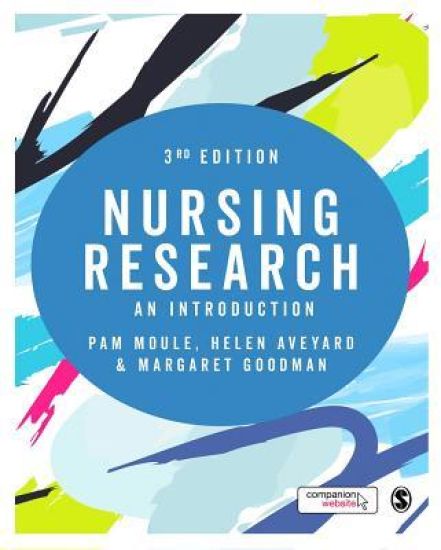
This book answers all your students' questions on the nursing research process. Restructured to follow their progress from being a novice nurse researcher to an experienced one, it gives them the knowledge to understand evidence-based practice and critical appraisal and to succeed in their own projects. Key features of the book are: Updated practical coverage of key methods such as conducting a survey and a section on the Research Excellence Framework International research examples in action Reflective exercises A companion website including access to journal articles and flashcards. It is essential reading for nursing undergraduates, postgraduates and all new researchers.
This book answers all your students' questions on the nursing research process. Restructured to follow their progress from being a novice nurse researcher to an experienced one, it gives them the knowledge to understand evidence-based practice and critical appraisal and to succeed in their own projects. Key features of the book are: Updated practical coverage of key methods such as conducting a survey and a section on the Research Excellence Framework International research examples in action Reflective exercises A companion website including access to journal articles and flashcards. It is essential reading for nursing undergraduates, postgraduates and all new researchers.