Kirjojen hintavertailu – 12 903 725 kirjaa ja 27 kauppaa

Kirjailija

Helen Berry

Kirjat ja teokset yhdessä paikassa: 7 kirjaa, julkaisuja vuosilta 2003–2020, suosituimpiin kuuluu The Castrato and His Wife. Vertaile teosten hintoja ja tarkista saatavuus suomalaisista kirjakaupoista.

7 kirjaa

Kirjojen julkaisuvuodet: 2003–2020.

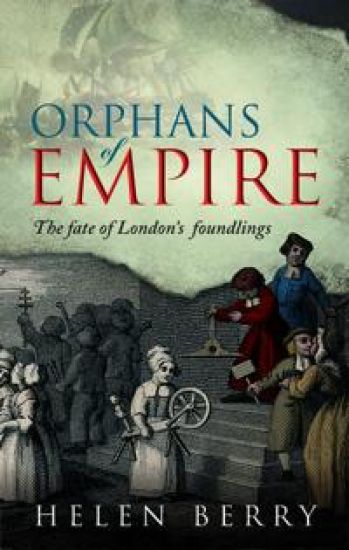
Orphans of Empire

Orphans of Empire

Helen Berry

Oxford University Press
2020
nidottu

Halvin toimitettuna 20,70 €

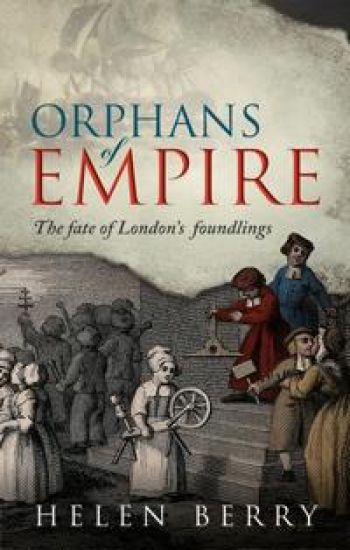
Eighteenth-century London was teeming with humanity, and poverty was never far from politeness. Legend has it that, on his daily commute through this thronging metropolis, Captain Thomas Coram witnessed one of the city's most shocking sights-the widespread abandonment of infant corpses by the roadside. He could have just passed by. Instead, he devised a plan to create a charity that would care for these infants; one that was to have enormous consequences for children born into povertyin Britain over the next two hundred years. Orphans of Empire tells the story of what happened to the thousands of children who were raised at the London Foundling Hospital, Coram's brainchild, which opened in 1741 and grew to become the most famous charity in Georgian England. It provides vivid insights into the lives and fortunes of London's poorest children, from the earliest days of the Foundling Hospital to the mid-Victorian era, when Charles Dickens was moved by his observations of the charity's work to campaign on behalf of orphans. Through the lives of London's foundlings, this book provides readers with a street-level insight into the wider global history of a period of monumental change in British history as the nation grew into the world's leading superpower. Some foundling children were destined for Britain's 'outer Empire' overseas, but many more toiled in the 'inner Empire', labouring in the cotton mills and factories of northern England at the dawn of the new industrial age. Through extensive archival research, Helen Berry uncovers previously untold stories of what happened to former foundlings, including the suffering and small triumphs they experienced as child workers during the upheavals of the Industrial Revolution. Sometimes, using many different fragments of evidence, the voices of the children themselves emerge. Extracts from George King's autobiography, the only surviving first-hand account written by a Foundling Hospital child born in the eighteenth century, published here for the first time, provide touching insights into how he came to terms with his upbringing. Remarkably he played a part in Trafalgar, one of the most iconic battles in British Naval history. His personal courage and resilience in overcoming the disadvantages of his birth form a lasting testimony to the strength of the human spirit.
The Castrato and His Wife

The Castrato and His Wife

Helen Berry

Oxford University Press
2012
nidottu
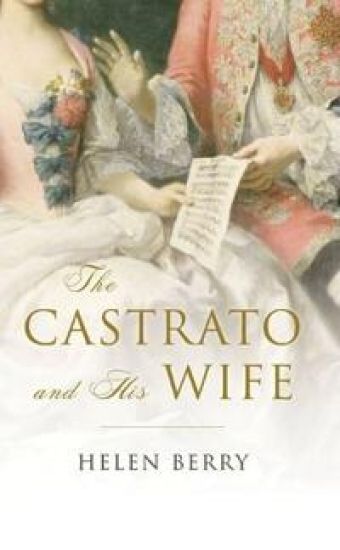
The opera singer Giusto Ferdinando Tenducci was one of the most famous celebrities of the eighteenth century. In collaboration with the English composer Thomas Arne, he popularized Italian opera, translating it for English audiences and making it accessible with his own compositions which he performed in London's pleasure gardens. Mozart and J. C. Bach both composed for him. He was a rock star of his day, with a massive female following. He was also a castrato. Women flocked to his concerts and found him irresistible. His singing pupil, Dorothea Maunsell, a teenage girl from a genteel Irish family, eloped with him. There was a huge scandal; her father persecuted them mercilessly. Tenducci's wife joined him at his concerts, achieving a status as a performer she could never have dreamed of as a respectable girl. She also wrote a sensational account of their love affair, an early example of a teenage novel. Embroiled in debt, the Tenduccis fled to Italy, and the marriage collapsed when she fell in love with another man. There followed a highly publicized and unique marriage annulment case in the London courts. Everything hinged on the status of the marriage; whether the husband was capable of consummation, and what exactly had happened to him as a small boy in a remote Italian hill village decades before. Ranging from the salons of princes and the grand opera houses of Europe to the remote hill towns of Tuscany, the unconventional love story of the castrato and his wife affords a fascinating insight into the world of opera and the history of sex and marriage in Georgian Britain, while also exploring questions about the meaning of marriage that continue to resonate in our own time.
The Castrato and His Wife

The Castrato and His Wife

Helen Berry

Oxford University Press
2011
sidottu
The opera singer Giusto Ferdinando Tenducci was one of the most famous celebrities of the eighteenth century. In collaboration with the English composer Thomas Arne, he popularized Italian opera, translating it for English audiences and making it accessible with his own compositions which he performed in London's pleasure gardens. Mozart and J. C. Bach both composed for him. He was a rock star of his day, with a massive female following. He was also a castrato. Women flocked to his concerts and found him irresistible. His singing pupil, Dorothea Maunsell, a teenage girl from a genteel Irish family, eloped with him. There was a huge scandal; her father persecuted them mercilessly. Tenducci's wife joined him at his concerts, achieving a status as a performer she could never have dreamed of as a respectable girl. She also wrote a sensational account of their love affair, an early example of a teenage novel. Embroiled in debt, the Tenduccis fled to Italy, and the marriage collapsed when she fell in love with another man. There followed a highly publicized and unique marriage annulment case in the London courts. Everything hinged on the status of the marriage; whether the husband was capable of consummation, and what exactly had happened to him as a small boy in a remote Italian hill village decades before. Ranging from the salons of princes and the grand opera houses of Europe to the remote hill towns of Tuscany, the unconventional love story of the castrato and his wife affords a fascinating insight into the world of opera and the history of sex and marriage in Georgian Britain, while also exploring questions about the meaning of marriage that continue to resonate in our own time.
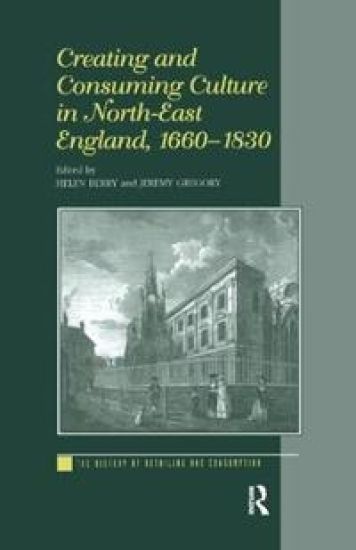
Creating and Consuming Culture in North-East England, 1660–1830

Creating and Consuming Culture in North-East England, 1660–1830

Helen Berry; Jeremy Gregory

TAYLOR FRANCIS LTD
2020
nidottu
Historians of the long eighteenth century have recently recognised that this period is central both to the history of cultural production and consumption and to the history of national and regional identity. Yet no book has, as yet, directly engaged with these two areas of interest at the same time. By uniting interest in the history of culture with the history of regional identity, Creating and Consuming Culture in North-East England, 1660-1830 is of crucial importance to a wide range of historians and intervenes in a number of highly important historical and conceptual debates in a timely and provocative way. The book makes a substantial contribution to eighteenth-century studies. Not only do these essays demonstrate that in thinking about cultural production and consumption in the eighteenth century there are important continuities as well as changes that need to be considered, but also they complicate the commonplace assumption of metropolitan-led cultural change and cultural innovation. Rather than the usual model of centre-periphery diffusion, a number of contributions show that cultural change in the provinces was happening at the same time as in, or in some cases even before, London. The essays also indicate the complex relationship between cultural consumption and social status, with some cultural forms being more inclusive than others.
Orphans of Empire

Orphans of Empire

Helen Berry

Oxford University Press
2019
sidottu
Eighteenth-century London was teeming with humanity, and poverty was never far from politeness. Legend has it that, on his daily commute through this thronging metropolis, Captain Thomas Coram witnessed one of the city's most shocking sights-the widespread abandonment of infant corpses by the roadside. He could have just passed by. Instead, he devised a plan to create a charity that would care for these infants; one that was to have enormous consequences for children born into poverty in Britain over the next two hundred years. Orphans of Empire tells the story of what happened to the thousands of children who were raised at the London Foundling Hospital, Coram's brainchild, which opened in 1741 and grew to become the most famous charity in Georgian England. It provides vivid insights into the lives and fortunes of London's poorest children, from the earliest days of the Foundling Hospital to the mid-Victorian era, when Charles Dickens was moved by his observations of the charity's work to campaign on behalf of orphans. Through the lives of London's foundlings, this book provides readers with a street-level insight into the wider global history of a period of monumental change in British history as the nation grew into the world's leading superpower. Some foundling children were destined for Britain's 'outer Empire' overseas, but many more toiled in the 'inner Empire', labouring in the cotton mills and factories of northern England at the dawn of the new industrial age. Through extensive archival research, Helen Berry uncovers previously untold stories of what happened to former foundlings, including the suffering and small triumphs they experienced as child workers during the upheavals of the Industrial Revolution. Sometimes, using many different fragments of evidence, the voices of the children themselves emerge. Extracts from George King's autobiography, the only surviving first-hand account written by a Foundling Hospital child born in the eighteenth century, published here for the first time, provide touching insights into how he came to terms with his upbringing. Remarkably he played a part in Trafalgar, one of the most iconic battles in British Naval history. His personal courage and resilience in overcoming the disadvantages of his birth form a lasting testimony to the strength of the human spirit.
Creating and Consuming Culture in North-East England, 1660–1830

Creating and Consuming Culture in North-East England, 1660–1830

Helen Berry; Jeremy Gregory

Ashgate Publishing Limited
2004
sidottu
Historians of the long eighteenth century have recently recognised that this period is central both to the history of cultural production and consumption and to the history of national and regional identity. Yet no book has, as yet, directly engaged with these two areas of interest at the same time. By uniting interest in the history of culture with the history of regional identity, Creating and Consuming Culture in North-East England, 1660-1830 is of crucial importance to a wide range of historians and intervenes in a number of highly important historical and conceptual debates in a timely and provocative way. The book makes a substantial contribution to eighteenth-century studies. Not only do these essays demonstrate that in thinking about cultural production and consumption in the eighteenth century there are important continuities as well as changes that need to be considered, but also they complicate the commonplace assumption of metropolitan-led cultural change and cultural innovation. Rather than the usual model of centre-periphery diffusion, a number of contributions show that cultural change in the provinces was happening at the same time as in, or in some cases even before, London. The essays also indicate the complex relationship between cultural consumption and social status, with some cultural forms being more inclusive than others.
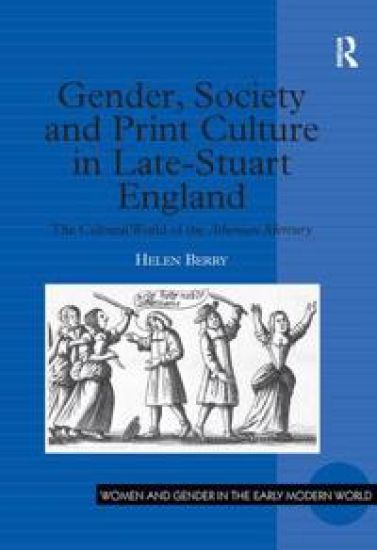
Gender, Society and Print Culture in Late-Stuart England

Gender, Society and Print Culture in Late-Stuart England

Helen Berry

Ashgate Publishing Limited
2003
sidottu
Focusing on a largely unknown type of popular print culture that developed in the late 1600s-the coffee house periodical-Helen Berry here offers new evidence that the politics of gender, far from being a marginal or frivolous topic, was an issue of general interest and wide-spread concern to the early modern reader. Berry's study provides the first full length analysis of John Dunton's Athenian Mercury (1691-97), an influential specimen of the coffee-house periodical genre, as well as the original question-and-answer publication which addressed both men's and women's issues in one journal. As the chapter headings in this book indicate, the topics addressed in the "agony column" of the Athenian Mercury-for example, the body, courtship, and sex-are of enduring interest across the centuries. Berry's study of this periodical provides new insights into the gendered ideas and debates that circulated among middling sorts in early modern England. An historical survey of the social effects of mass communication in the early modern period, this volume makes an important contribution to the ongoing study of how gendered ideas and values were communicated culturally, particularly beyond the milieu of elite groups such as the nobility and gentry. It argues that the mass media was from its infancy an important means of communicating powerful messages about gender norms, particularly among the middling sorts. The study will appeal not only to historians, women and gender studies scholars and literature scholars, but also to scholars of publishing history.