

Kirjailija
Helen Hunt Jackson
Kirjat ja teokset yhdessä paikassa: 209 kirjaa, julkaisuja vuosilta 1905–2026, suosituimpiin kuuluu Cat Stories. Vertaile teosten hintoja ja tarkista saatavuus suomalaisista kirjakaupoista.
Nimi esiintyy myös muodoissa: Helen (Hunt) Jackson
209 kirjaa
Kirjojen julkaisuvuodet: 1905–2026.



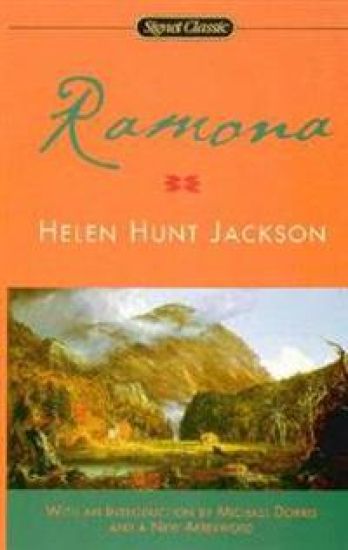
A moving love story with grand melodramatic touches, Ramona was linked with Uncle Tom's Cabin as one of the great ethical novels of the 19th century. A bestseller in 1884, Ramona was both a political and literary success and will continue to move modern readers with its sympathetic characters and its depiction of the Native American's struggle in the early West.

First published in 1881 and reprinted in numerous editions since, Helen Hunt Jackson's A Century of Dishonor is a classic account of the U. S. government's flawed Indian policy and the unfair and cruel treatment afforded North American Indians by expansionist Americans. Jackson wrote the book as a polemic to ""appeal to the hearts and conscience of the American people,"" who she hoped would demand legislative reform from Congress and redeem the country's name from the stain of a ""century of dishonor."" Her efforts, which constitute a landmark in Indian reform, helped begin the long process of public awareness for Indian rights that continues to the present day. Beginning with a legal brief on the original Indian right of occupancy, A Century of Dishonor continues with Jackson's analysis of how irresponsibility, dishonesty, and perfidy on the part of Americans and the U. S. government devastated the Delaware, Cheyenne, Nez Perce, Sioux, Ponca, Winnebago, and Cherokee Indians. Jackson describes the government's treatment of the Indians as ""a shameful record of broken treaties and unfulfilled promises"" exacerbated by ""a sickening record of murder, outrage, robbery, and wrongs"" committed by frontier settlers, with only an occasional Indian retaliation. Such notable events as the flight of Chief Joseph of the Nez Perces and the Cherokee Trail of Tears illustrate Jackson's arguments. Valerie Sherer Mathes's foreword traces Jackson's life and writings and places her in the context of reform advocacy in the midst of nineteenth century expansionism. This unabridged paperback edition contains an index, and the complete appendix, which includes Jackson's correspondence concerning the Sand Creek Massacre and her report as Special Comminnioner to investigate the needs of California's Mission Indians.
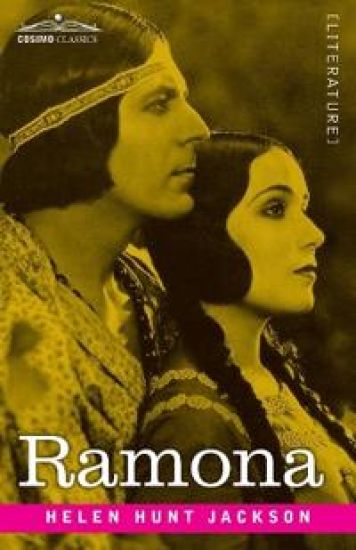
"One of the most artistic creations of American literature." -The Atlantic Monthly (19th century) Ramona (1884), by Helen Hunt Jackson, is a story of racial discrimination and hardship and their effects on the life of a mixed-race Scottish-Native American orphan. Having been serialized originally and widely read, the book had considerable influence on the culture and image of Southern California. Moreover, five subsequent film adaptations of the book have included sentimental portraits of the region's colonial life that have further reinforced its unique cultural identity.
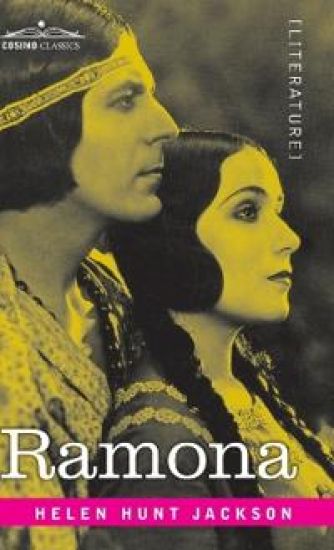
"One of the most artistic creations of American literature." -The Atlantic Monthly (19th century) Ramona (1884), by Helen Hunt Jackson, is a story of racial discrimination and hardship and their effects on the life of a mixed-race Scottish-Native American orphan. Having been serialized originally and widely read, the book had considerable influence on the culture and image of Southern California. Moreover, five subsequent film adaptations of the book have included sentimental portraits of the region's colonial life that have further reinforced its unique cultural identity.
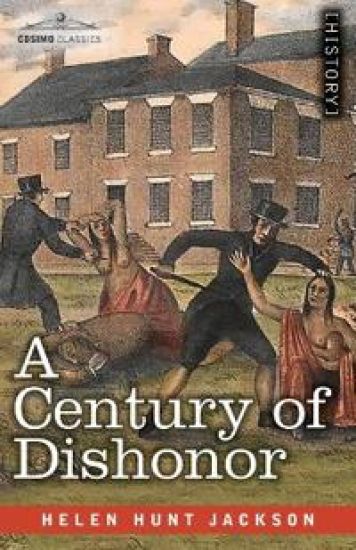
"Cheating, robbing, breaking promises-these three are clearly things which must cease to be done, . . . One more thing, also, and that is the refusal of the protection of the law to the Indian's rights of property, "of life, liberty, and the pursuit of happiness." -Helen Hunt Jackson, A Century of Dishonor A Century of Dishonor (1881) by Helen Hunt Jackson provides a description of how poorly the US government was treating Native American tribes in the nineteenth century and details the histories of seven of them: the Delaware, the Cheyenne, the Nez Perce, the Sioux, the Poncas, the Winnebago, and the Cherokee. More importantly, it is a call to action for the changes that were needed. To document her argument, Jackson combined government documents, firsthand accounts, and her own interpretation.