
Kirjailija
Helen King
Kirjat ja teokset yhdessä paikassa: 25 kirjaa, julkaisuja vuosilta 1998–2025, suosituimpiin kuuluu Inspiring You!. Vertaile teosten hintoja ja tarkista saatavuus suomalaisista kirjakaupoista.
25 kirjaa
Kirjojen julkaisuvuodet: 1998–2025.
"Never has medical history been more entertaining" (Dr Jennifer Gunter, author of The Vagina Bible) than in this turbulent history of women's bodies from classical Greece to the modern age Breasts, clitoris, hymen, and womb. Across history, these body parts have told women who they are and what they should do. Although knowledge of each part has changed through time, none of them tells a simple story. The way they work and in some cases even their existence have been debated. They can be seen as powerful or as disgusting, as relevant only to reproduction or as sources of sexual pleasure. In Immaculate Forms, classicist and historian Helen King explores the symbiotic relationship between religion and medicine and their twinned history of gatekeeping over these key organs that have been used to define "woman," illustrating how conceptions of women's bodies have owed more to imagination and myth than to observation and science. Throughout history, the way we understand the body has always been debated, and it is still shaped by human intervention and read according to cultural interpretations. Astute and engaging, Immaculate Forms is for everyone who has wondered what history has to say about today's raging debates over the human body and who is "really" female.
Journey into the complex medical and religious history of women's bodies from classical Greece to the modern day

Hysteria Beyond Freud
Sander L. Gilman; Helen King; Roy Porter; G. S. Rousseau; Elaine Showalter
University of California Press
2022
pokkari
"She's hysterical." For centuries, the term "hysteria" has been used by physicians and laymen to diagnose and dismiss the extreme emotionality and mysterious physical disorders presumed to bedevil others—especially women. How did this medical concept assume its power? What cultural purposes does it serve? Why do different centuries and different circumstances produce different kinds of hysteria? These are among the questions pursued in this absorbing, erudite reevaluation of the history of hysteria. The widely respected authors draw upon the insights of social and cultural history, rather than Freudian psychoanalysis, to examine the ways in which hysteria has been conceived by doctors and patients, writers and artists, in Europe and North America, from antiquity to the early years of the twentieth century. In so doing, they show that a history of hysteria is a history of how we understand the mind. This title is part of UC Press's Voices Revived program, which commemorates University of California Press’s mission to seek out and cultivate the brightest minds and give them voice, reach, and impact. Drawing on a backlist dating to 1893, Voices Revived makes high-quality, peer-reviewed scholarship accessible once again using print-on-demand technology. This title was originally published in 1993.

Hysteria Beyond Freud
Sander L. Gilman; Helen King; Roy Porter; G. S. Rousseau; Elaine Showalter
University of California Press
2022
sidottu
"She's hysterical." For centuries, the term "hysteria" has been used by physicians and laymen to diagnose and dismiss the extreme emotionality and mysterious physical disorders presumed to bedevil others—especially women. How did this medical concept assume its power? What cultural purposes does it serve? Why do different centuries and different circumstances produce different kinds of hysteria? These are among the questions pursued in this absorbing, erudite reevaluation of the history of hysteria. The widely respected authors draw upon the insights of social and cultural history, rather than Freudian psychoanalysis, to examine the ways in which hysteria has been conceived by doctors and patients, writers and artists, in Europe and North America, from antiquity to the early years of the twentieth century. In so doing, they show that a history of hysteria is a history of how we understand the mind. This title is part of UC Press's Voices Revived program, which commemorates University of California Press’s mission to seek out and cultivate the brightest minds and give them voice, reach, and impact. Drawing on a backlist dating to 1893, Voices Revived makes high-quality, peer-reviewed scholarship accessible once again using print-on-demand technology. This title was originally published in 1993.
We need to talk about Hippocrates. Current scholarship attributes none of the works of the ‘Hippocratic corpus’ to him, and the ancient biographical traditions of his life are not only late, but also written for their own promotional purposes. Yet Hippocrates features powerfully in our assumptions about ancient medicine, and our beliefs about what medicine – and the physician himself – should be. In both orthodox and alternative medicine, he continues to be a model to be emulated. This open access book will challenge widespread assumptions about Hippocrates (and, in the process, about the history of medicine in ancient Greece and beyond) and will also explore the creation of modern myths about the ancient world. Why do we continue to use Hippocrates, and how are new myths constructed around his name? How do news stories and the internet contribute to our picture of him? And what can this tell us about wider popular engagements with the classical world today, in memes, ‘quotes’ and online? The ebook editions of this book are available open access under a CC BY-NC-ND 4.0 licence on bloomsburycollections.com. Open access was funded by the Knowledge Unlatched programme.
We need to talk about Hippocrates. Current scholarship attributes none of the works of the ‘Hippocratic corpus’ to him, and the ancient biographical traditions of his life are not only late, but also written for their own promotional purposes. Yet Hippocrates features powerfully in our assumptions about ancient medicine, and our beliefs about what medicine – and the physician himself – should be. In both orthodox and alternative medicine, he continues to be a model to be emulated. This open access book will challenge widespread assumptions about Hippocrates (and, in the process, about the history of medicine in ancient Greece and beyond) and will also explore the creation of modern myths about the ancient world. Why do we continue to use Hippocrates, and how are new myths constructed around his name? How do news stories and the internet contribute to our picture of him? And what can this tell us about wider popular engagements with the classical world today, in memes, ‘quotes’ and online? The ebook editions of this book are available open access under a CC BY-NC-ND 4.0 licence on bloomsburycollections.com. Open access was funded by the Knowledge Unlatched programme.

Traveller Mistakes: 50 Things You Should Avoid In Backpacking
Helen King
Createspace Independent Publishing Platform
2018
nidottu
The One-Sex Body on Trial: The Classical and Early Modern Evidence
Helen King
Routledge
2016
nidottu
By far the most influential work on the history of the body, across a wide range of academic disciplines, remains that of Thomas Laqueur. This book puts on trial the one-sex/two-sex model of Laqueur's Making Sex: Body and Gender from the Greeks to Freud through a detailed exploration of the ways in which two classical stories of sexual difference were told, retold and remade from the mid-sixteenth to the nineteenth century. Agnodike, the 'first midwife' who disguises herself as a man and then exposes herself to her potential patients, and Phaethousa, who grows a beard after her husband leaves her, are stories from the ancient world that resonated in the early modern period in particular. Tracing the reception of these tales shows how they provided continuity despite considerable change in medicine, being the common property of those on different sides of professional disputes about women's roles in both medicine and midwifery. The study reveals how different genres used these stories, changing their characters and plots, but always invoking the authority of the classics in discussions of sexual identity. The study raises important questions about the nature of medical knowledge, the relationship between texts and observation, and the understanding of sexual difference in the early modern world beyond the one-sex model.
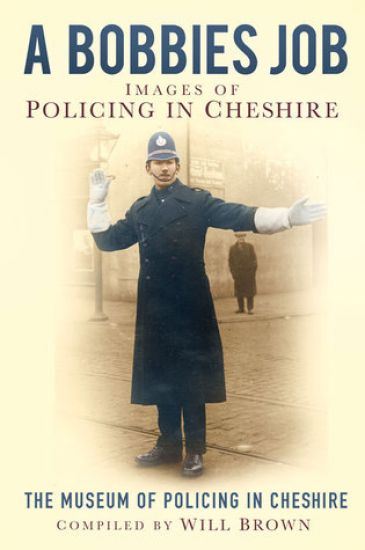
A Bobby’s Job is a beautiful collection of black and white photographs from the extensive archives held at the Museum of Policing in Cheshire. This book delves into the history and development of policing in the Cheshire area; from the formation of the county’s first police forces in the early nineteenth century, through the Victorian and Edwardian period, the interwar years and into the second half of the twentieth century when policing underwent fundamental change. Police buildings, transport, police dogs and many other aspects are dealt with here. A well-researched and truly delightful book that will appeal to all those interested in policing and local history.

The One-Sex Body on Trial: The Classical and Early Modern Evidence
Helen King
Ashgate Publishing Limited
2013
sidottu
By far the most influential work on the history of the body, across a wide range of academic disciplines, remains that of Thomas Laqueur. This book puts on trial the one-sex/two-sex model of Laqueur's Making Sex: Body and Gender from the Greeks to Freud through a detailed exploration of the ways in which two classical stories of sexual difference were told, retold and remade from the mid-sixteenth to the nineteenth century. Agnodike, the 'first midwife' who disguises herself as a man and then exposes herself to her potential patients, and Phaethousa, who grows a beard after her husband leaves her, are stories from the ancient world that resonated in the early modern period in particular. Tracing the reception of these tales shows how they provided continuity despite considerable change in medicine, being the common property of those on different sides of professional disputes about women's roles in both medicine and midwifery. The study reveals how different genres used these stories, changing their characters and plots, but always invoking the authority of the classics in discussions of sexual identity. The study raises important questions about the nature of medical knowledge, the relationship between texts and observation, and the understanding of sexual difference in the early modern world beyond the one-sex model.
""How To Hook Rugs"" by Helen King is a comprehensive guidebook for anyone interested in learning the art of rug hooking. This book covers everything from the basics of selecting materials and tools to advanced techniques for creating intricate designs. The author provides step-by-step instructions for each stage of the process, including preparing the fabric, choosing colors and patterns, and hooking the rug. The book also includes tips on how to care for and maintain your finished rug. With clear, detailed illustrations and easy-to-follow instructions, ""How To Hook Rugs"" is an essential resource for anyone looking to master this timeless craft. This scarce antiquarian book is a facsimile reprint of the old original and may contain some imperfections such as library marks and notations. Because we believe this work is culturally important, we have made it available as part of our commitment for protecting, preserving, and promoting the world's literature in affordable, high quality, modern editions, that are true to their original work.

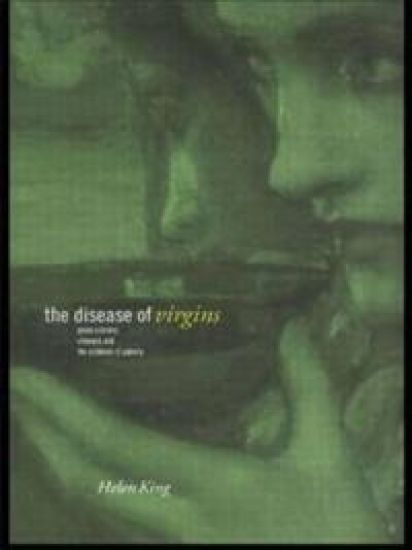
From an acclaimed author in the field, this is a compelling study of the origins and history of the disease commonly seen as afflicting young unmarried girls. Understanding of the condition turned puberty and virginity into medical conditions, and Helen King stresses the continuity of this disease through history,depsite enormous shifts in medical understanding and technonologies, and drawing parallels with the modern illness of anorexia. Examining its roots in the classical tradition all the way through to its extraordinary survival into the 1920s, this study asks a number of questions about the nature of the disease itself and the relationship between illness, body images and what we should call‘normal’ behaviour. This is a fascinating and clear account which will prove invaluable not just to students of classical studies, but will be of interest to medical professionals also.