Kirjojen hintavertailu – 12 871 288 kirjaa ja 27 kauppaa
Kirjailija
Helen LaKelly Hunt
Kirjat ja teokset yhdessä paikassa: 18 kirjaa, julkaisuja vuosilta 2003–2025, suosituimpiin kuuluu How to Talk with Anyone about Anything. Vertaile teosten hintoja ja tarkista saatavuus suomalaisista kirjakaupoista.
Now available in trade paper! Relationships everywhere are in crisis due to our inability to talk about "difference" without polarizing. Since objection to difference is the core human problem, we need a skill that helps us connect beyond difference. That's just what New York Times bestselling authors Dr. Harville Hendrix and Dr. Helen LaKelly Hunt offer in their new book: How To Talk With Anyone About Anything. They call it the Safe Conversations Dialogue process, which everyone can learn and teach, that moves all relationships from danger to safety, making connecting possible. For centuries, most of us humans have talked to others in monologues, believing that the world is the way we see it, that what we say about it is the "truth" and we have assumed that everyone sees it "our" way. If they do not, we experience tension and conflict on many levels. On the other hand, few of us have ever listened to others while they are talking and tried to see the world from their point of view while retaining our own perspective. Instead of listening to understand and collaborate about our differences, we tend to replace their perspective with our own. This results in polarization, not only in our personal lives and work environments, but also in the political and religious arenas we inhabit. This has led to anxiety, frustration, anger, violence, and war. Clearly, the world needs a new way to talk that transcends difference and leads to collaboration, co-creation, and cooperation. Getting the Love You Want, teach that the practice of Safe Conversations Dialogue impacts the "physics of the Space Between." Here is what they mean:All of us live in and are a part of an energy field in which everything everywhere is connecting with everything everywhere. This energy field occupies the Space-Between us. When there is safety in the energy field that occupies the Space-Between us, we can connect. When there is anxiety in the Space Between, we defend ourselves. We cannot connect but tend to polarize. Anyone, if they decide to, can restore safety in the Space Between by using a structure conversation skill called the Safe Conversations Dialogue. In How to Talk with Anyone about Anything, Harville and Helen share the wisdom of the Safe Conversations process and the four structured and teachable skills that create safety and connection:Dialogue: Dialogue is two or more people taking turns talking and listening. Monologue is one person talking and expecting everyone else to listen. When two or more people shift from Monologue to Dialogue, they can transform any relationship from conflict to safety, connection and collaboration. Zero Negativity: Negativity disrupts safety and is non-negotiable for safe and thriving relationships. When Dialogue is practiced with Zero Negativity, criticism about what one does not have is replaced with a positive request for what one wants. This transforms conflict into safety and connecting. Empathy: Empathy is the capacity to experience or imagine how another person has gone through life. When Dialogue is practiced with empathy, one can more easily accept the different perspective of another person and maintain one's own perspective without polarizing. Affirmation: Affirmation is valuing another person because they exist rather than for what they have done for you. When Dialogue includes affirmation, the other person experiences themselves as human rather than as an "object" that is valued because of what they do. How to Talk with Anyone about Anything offers the keys to unlocking your ability to connect with others in a new and profoundly different way. And, as more of us hone that ability, together, we can bring about a fundamental shift in society away from our current focus on the "self" and polarization about difference towards safety and true connection that includes total personal freedom, universal equality, radical inclusion, and celebration of diversity—a society in which we all collaborate with each other without surrendering our differences, co-create with each other about new solutions and cooperate with other to put them into practice. Then we will all live in the world of our dreams.
Relationships everywhere are in crisis due to our inability to talk about "difference" without polarizing. Since objection to difference is the core human problem, we need a skill that helps us connect beyond difference. That's just what New York Times bestselling authors Dr. Harville Hendrix and Dr. Helen LaKelly Hunt offer in their new book: How To Talk With Anyone About Anything. They call it the Safe Conversations Dialogue process, which everyone can learn and teach, that moves all relationships from danger to safety, making connecting possible. For centuries, most of us humans have talked to others in monologues, believing that the world is the way we see it, that what we say about it is the "truth" and we have assumed that everyone sees it "our" way. If they do not, we experience tension and conflict on many levels. On the other hand, few of us have ever listened to others while they are talking and tried to see the world from their point of view while retaining our own perspective. Instead of listening to understand and collaborate about our differences, we tend to replace their perspective with our own. This results in polarization, not only in our personal lives and work environments, but also in the political and religious arenas we inhabit. This has led to anxiety, frustration, anger, violence, and war. Clearly, the world needs a new way to talk that transcends difference and leads to collaboration, co-creation, and cooperation. Getting the Love You Want, teach that the practice of Safe Conversations Dialogue impacts the "physics of the Space Between." Here is what they mean:All of us live in and are a part of an energy field in which everything everywhere is connecting with everything everywhere. This energy field occupies the Space-Between us. When there is safety in the energy field that occupies the Space-Between us, we can connect. When there is anxiety in the Space Between, we defend ourselves. We cannot connect but tend to polarize. Anyone, if they decide to, can restore safety in the Space Between by using a structure conversation skill called the Safe Conversations Dialogue. In How to Talk with Anyone about Anything, Harville and Helen share the wisdom of the Safe Conversations process and the four structured and teachable skills that create safety and connection:Dialogue: Dialogue is two or more people taking turns talking and listening. Monologue is one person talking and expecting everyone else to listen. When two or more people shift from Monologue to Dialogue, they can transform any relationship from conflict to safety, connection and collaboration. Zero Negativity: Negativity disrupts safety and is non-negotiable for safe and thriving relationships. When Dialogue is practiced with Zero Negativity, criticism about what one does not have is replaced with a positive request for what one wants. This transforms conflict into safety and connecting. Empathy: Empathy is the capacity to experience or imagine how another person has gone through life. When Dialogue is practiced with empathy, one can more easily accept the different perspective of another person and maintain one's own perspective without polarizing. Affirmation: Affirmation is valuing another person because they exist rather than for what they have done for you. When Dialogue includes affirmation, the other person experiences themselves as human rather than as an "object" that is valued because of what they do. How to Talk with Anyone about Anything offers the keys to unlocking your ability to connect with others in a new and profoundly different way. And, as more of us hone that ability, together, we can bring about a fundamental shift in society away from our current focus on the "self" and polarization about difference towards safety and true connection that includes total personal freedom, universal equality, radical inclusion, and celebration of diversity—a society in which we all collaborate with each other without surrendering our differences, co-create with each other about new solutions and cooperate with other to put them into practice. Then we will all live in the world of our dreams.
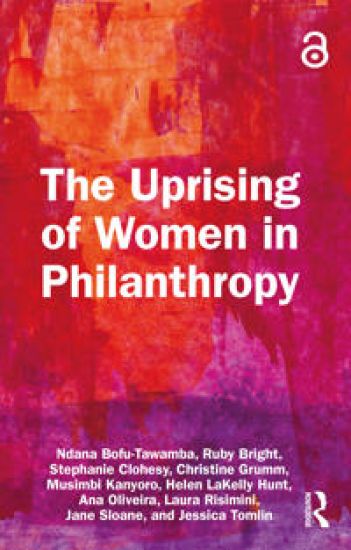
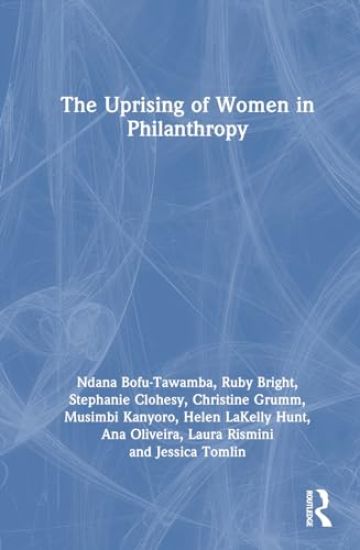
The Uprising of Women in Philanthropy tells the inspiring, never-before-told, story of the Global Women’s Funding Movement—considered the women’s movement’s greatest secret—and how it enabled women from all walks of life to harness the power of money to free themselves from oppression. Brimming with feminist epiphanies, this social justice playbook is an urgent call for women’s collective leadership to guide humanity through the gravest of challenges, overcoming patriarchy’s multi-millennium reign through the uprising of women leaders and philanthropists. Founded during the second-wave women’s movement of the early 1970s, small groups of women across the world, independent of each other, had the same epiphany: it will take a movement of women to raise the money needed to fund women’s freedom. Since then, the Global Women's Funding Movement has grown into a global network of radically generous, risk-taking philanthropists who collectively wield financial might to win seismic gender equality victories. The authors document the "Women Effect" that results from gender equality and women’s collective leadership, including improved public health and reproductive justice, expanded public education, stronger democracies, resilient economies, climate recovery and enduring peace. The Global Women's Funding Movement is guided by its Feminist Funding Principles and, through them, it has innovated the most effective philanthropic practices, including trust-based philanthropy. The Uprising of Women in Philanthropy is for those interested in focusing the power of philanthropy on leveraging systemic social justice victories and gender equality gains. The long-practiced Feminist Funding Principles imparted by the authors is a recipe for the feminist alchemy needed to transform society for the betterment of all.
Relationships everywhere are in crisis due to our inability to talk about "difference" without polarizing. Since objection to difference is the core human problem, we need a skill that helps us connect beyond difference. That's just what New York Times bestselling authors Dr. Harville Hendrix and Dr. Helen LaKelly Hunt offer in their new book: How To Talk With Anyone About Anything. They call it the Safe Conversations Dialogue process, which everyone can learn and teach, that moves all relationships from danger to safety, making connecting possible. For centuries, most of us humans have talked to others in monologues, believing that the world is the way we see it, that what we say about it is the "truth" and we have assumed that everyone sees it "our" way. If they do not, we experience tension and conflict on many levels. On the other hand, few of us have ever listened to others while they are talking and tried to see the world from their point of view while retaining our own perspective. Instead of listening to understand and collaborate about our differences, we tend to replace their perspective with our own. This results in polarization, not only in our personal lives and work environments, but also in the political and religious arenas we inhabit. This has led to anxiety, frustration, anger, violence, and war. Clearly, the world needs a new way to talk that transcends difference and leads to collaboration, co-creation, and cooperation. Getting the Love You Want, teach that the practice of Safe Conversations Dialogue impacts the "physics of the Space Between." Here is what they mean:All of us live in and are a part of an energy field in which everything everywhere is connecting with everything everywhere. This energy field occupies the Space-Between us. When there is safety in the energy field that occupies the Space-Between us, we can connect. When there is anxiety in the Space Between, we defend ourselves. We cannot connect but tend to polarize. Anyone, if they decide to, can restore safety in the Space Between by using a structure conversation skill called the Safe Conversations Dialogue. In How to Talk with Anyone about Anything, Harville and Helen share the wisdom of the Safe Conversations process and the four structured and teachable skills that create safety and connection:Dialogue: Dialogue is two or more people taking turns talking and listening. Monologue is one person talking and expecting everyone else to listen. When two or more people shift from Monologue to Dialogue, they can transform any relationship from conflict to safety, connection and collaboration. Zero Negativity: Negativity disrupts safety and is non-negotiable for safe and thriving relationships. When Dialogue is practiced with Zero Negativity, criticism about what one does not have is replaced with a positive request for what one wants. This transforms conflict into safety and connecting. Empathy: Empathy is the capacity to experience or imagine how another person has gone through life. When Dialogue is practiced with empathy, one can more easily accept the different perspective of another person and maintain one's own perspective without polarizing. Affirmation: Affirmation is valuing another person because they exist rather than for what they have done for you. When Dialogue includes affirmation, the other person experiences themselves as human rather than as an "object" that is valued because of what they do. How to Talk with Anyone about Anything offers the keys to unlocking your ability to connect with others in a new and profoundly different way. And, as more of us hone that ability, together, we can bring about a fundamental shift in society away from our current focus on the "self" and polarization about difference towards safety and true connection that includes total personal freedom, universal equality, radical inclusion, and celebration of diversity—a society in which we all collaborate with each other without surrendering our differences, co-create with each other about new solutions and cooperate with other to put them into practice. Then we will all live in the world of our dreams.
In this complementary workbook to How to Talk with Anyone about Anything, New York Times bestselling authors Dr. Harville Hendrix and Dr. Helen LaKelly Hunt give applicable tips on how to have Safe Conversations with everyone. For centuries, our methods of communication have resulted in disagreement, which has led to frustration, anxiety, and anger. Conversations have become angry, anxious ones. We see polarization not only in our personal lives and work environment, but certainly in the political arena. Clearly, the world needs a new communication method so people can talk to each other successfully. In the How to Talk with Anyone about Anything workbook, Harville and Helen share the wisdom of Safe Conversations and four skills that are structured and teachable:Dialogue: practice shifting from monologue to dialogue to foster safety and collaborationA commitment to zero negativity: convert frustrations into requests by focusing on what they should do, and not on what they shouldn't doDeveloping empathy for one another: shift from criticizing by accept one another's different perspectivesAffirmations: transform conflict to connection by using "affirmation" more often in a relationship How to Talk with Anyone about Anything offers the keys to unlocking your ability to communicate with others in a new and profoundly different way. And as more of us hone that ability, together, we can bring about a shift in society away from polarization and toward true connection. This workbook is not a stand-alone product. How to Talk with Anyone about Anything is needed for the complete experience.
Developed by Harville Hendrix and Helen LaKelly Hunt in the 1980s, Imago Relationship Therapy helps couples—and everyone in significant relationships—shift from conflict to connection by transforming the quality of their interactions. Now, for the first time, the essential principles and practices of Imago, as illustrated in the New York Times bestseller Getting the Love You Want, are presented for the benefit of both novice and seasoned clinicians. Using the Imago processes, couples create a Conscious Partnership in which they feel safe, fully alive and joyful, learning to be mutually empathic for each other’s childhood challenges and present to each other without judgement. Hendrix and Hunt help couples learn and practise Imago Dialogue, moving from blame and reactivity to mutual acceptance, affirmation and empathy, thus deepening their connection. Joining theory and practice with elegance, and filled with examples, exercises and dialogues, this is a book no couple's therapist can afford to be without.
Kansainvälinen menestysteos uudistettuna painoksenaHaluatko saada unelmiesi parisuhteen, joka perustuu turvaan, keskinäiseen yhteyteen ja luottamukseen? Haaveiletko leikkisästä, intohimon ja rakkaudentunnustusten täyttämästä parisuhdearjesta? Ansaitsen rakkauden - Opas kukoistavaan parisuhteeseen antaa kaikki tarvittavat työkalut kukoistavan parisuhteen luomiseen. Imagoterapiaa ja uusinta aivotutkimusta yhdistävä selkeä ja käytännöllinen opas, joka paljastaa, millä perustein valitsemme kumppanimme ja mitenopimme muuttamaan negatiivisuuden suhdetta rikastuttavaksi positiivisuudeksi. Ansaitsen rakkauden kertoo selväsanaisesti syyt parisuhteen konflikteihin ja vuorovaikutusongelmiin, ja auttaa tunnistamaan lapsuudesta kumpuavat tiedostamattomat haavat ja tarpeet, jotka aiheuttavat parisuhteen vaikeudet. Valtataistelusta ja toistuvista riidanaiheista on mahdollista päästä eroon. Romantiikka palaa suhteeseen ja löytyy syvä ja ilon täyttämä yhteys kumppaniin. Käytännöllisten esimerkkien ja oivaltavien imagoterapian harjoitusten avulla löytyy tie itsetuntemukseen ja selkeään viestintään, jotka mahdollistavat turvallisen vuorovaikutuksen ja tietoisen kumppanuuden syntymisen. Imagoterapian luojat Helen LaKelly Hunt ja Harville Hendrix ovat toimineet yli 30 vuotta terapeutteina, kouluttajina ja kirjailijoina, ja uudistunut laitos heidän miljoonia kappaleita myyneestä klassikkokirjastaan jakaa heidän vuosien saatossa hiotun tietotaitonsa. He ovat perustaneet yhdessä Imago Relationships International -instituutin, joka on kouluttanut yli 2500 imagoterapeuttia, jotka harjoittavat imagoterapiaa yli 50 maassa.
"Let me suggest, then, that the opening Chapter go farther back than 1848. . . . From the time of the first Convention on Women--in New York 1837--the battle began." -- Lucretia Mott, to Elizabeth Cady StantonA decade prior to the Seneca Falls Convention, black and white women joined together at the 1837 Anti-Slavery Convention in the first instance of political organizing by American women, for American women. United by their determination to reshape a society that told women to ignore the mechanisms of power, these pioneers converged abolitionism and women's rights. Incited by "holy indignation," they believed it was their God-given duty to challenge both slavery and patriarchy. Although the convention was written out of history largely for both its religious and interracial character, these women created a blueprint for an intersectional feminism that was centuries ahead of its time. Part historical investigation, part personal memoir, Hunt traces how her research into nineteenth-century organizing led her to become one of the most significant philanthropists in modern history. Hunt's journey to confront her position of power meant taking control of an oil fortune, being deployed on her behalf but without her knowledge, and acknowledging the feminist faith animating her life's work. Helen LaKelly Hunt, PhD, is a philanthropist, activist, and scholar. She helped found several organizations, including the Sister Fund, Women Moving Millions, and the Women's Funding Network. She is the author of Faith and Feminism and the coauthor of bestsellers including Giving the Love That Heals and Making Marriage Simple.
Change the relationship you have into the one you want. Welcome to the Relationship Revolution Making Marriage Simple is the accessible, essential road map to building a strong marriage in the modern world. Bestselling authors Harville Hendrix and Helen LaKelly Hunt distill into ten essential truths what they've learned about how to create a successful and satisfying relationship--both from their decades of "R&D" in the marriage lab of their workshops, and from their own relationship journey. In each chapter, Harville and Helen introduce a simple truth--such as "a frustration is a wish in disguise," "incompatibility is grounds for marriage," or "conflict is growth trying to happen"--and then walk couples through easy yet effective exercises to help them apply each truth in real life, every day. Harville and Helen have spent their careers helping couples transform their marriages through research, workshops, and counseling. But marriage--even for marriage experts--is never easy, and a number of years ago they found themselves on the brink of divorce. Harville and Helen put themselves back through the exercises they'd coached so many other couples through, saving their marriage and helping them achieve a true partnership. This book is for all couples. It offers the practical tools needed to transform one's relationship into a rewarding and joyous marriage. Written with humor, compassion, and honesty, and illustrated throughout with engaging line drawings, Making Marriage Simple is a strategic blueprint for creating a stronger, more satisfying partnership in today's world.
From the New York Times bestselling author of Getting the Love You Want and Keeping the Love You Find comes illuminating and inspiring advice on one of the most complicated issues facing couples today: receiving love. Many people know how to give love, but many more undermine their relationships by never having learned how to accept it. We don't always realize the ways in which we reject appreciation, affection, help, and guidance from our romantic partners. According to Hendrix and Hunt, until we are able to understand the meaning behind our behavior, our relationships stand to suffer. Receiving Love prompts questions such as: -Are you reluctant to tell your partner what you really want or need? -When you do get what you've asked for, do you still feel dissatisfied? -Is it difficult for you to accept kind gestures, gifts, or compliments from your partner? With Receiving Love, you can learn how to break the shackles of self-rejection and embrace real intimacy. Drawing on their renowned expertise, the wide clinical experience of Imago therapists, and their own personal experience as a married couple, the authors offer detailed, sensitive advice on how to turn a relationship between two well-meaning yet misunderstood individuals into a true, everlasting partnership.
Why do so many women of faith have such a strong aversion to feminism? And why do so many feminists have an ardent mistrust of religion? These questions are at the heart of Helen LaKelly Hunt's illuminating look at the alliance between spiritual conviction and social action. Intelligent and heartfelt, Faith and Feminism offers a perceptive look at the lives of five spirited and spiritual women of history, women who combined their undying faith with feminist beliefs and who made the world a better place by doing so. * St. Teresa of Avila, a woman whose bravery in confronting her shadows gave her the strength to connect with the world and live a life of divine action. * Lucretia Mott, a Quaker minister, who rose from her quiet upbringing to become a passionate speaker and activist working tirelessly on behalf of justice and peace. * Sojourner Truth, a Christian slave, who spoke out with unwavering courage to claim her God-given rightful place as an African American and a woman. * Emily Dickinson, an extraordinary poet, who touched the world with her ability to capture and transform the experience of suffering. * Dorothy Day, a radical journalist, who lived a life of voluntary poverty as a way of expressing her passion for the Christian faith and care for those in need. A remarkable book that focuses on the idea that spirituality and feminism are really different expressions of the same impulse to make life more whole, Faith and Feminism offers a powerful catalyst for reflecting on our sense of self -- and for living and loving according to our deepest values.
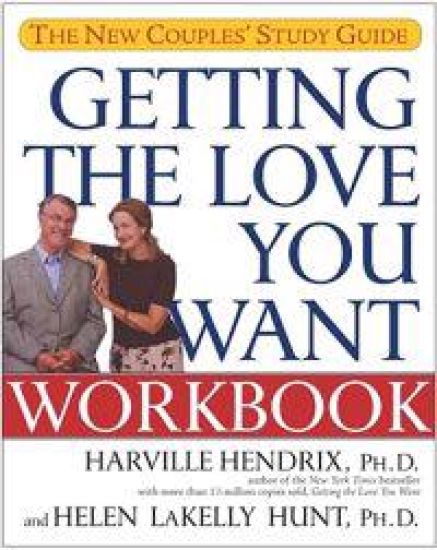
This newly revised and updated companion study guide to the 2019 edition of the New York Times bestseller Getting the Love You Want. In 1988, Harville Hendrix, in partnership with his wife, Helen LaKelly Hunt, published a terrifically successful relationship guide called Getting the Love You Want. The book introduced thousands to their Imago Relationship Therapy, a unique healing process for couples, prospective couples, and parents, and developed into an overnight sensation. For their part, Doctors Hendrix and Hunt managed to aid scores of couples in their plight for more loving, supportive, and deeply satisfying relationships. Now, more than a decade later, this companion book picks up where its predecessor left off, delving further into relationship therapy to help transform relationships into lasting sources of love and companionship. The Getting the Love You Want Workbook is designed for the hundreds of thousands of couples who have attended Imago workshops since Getting the Love You Want hit bookstands, as well as new and curious ones seeking a practical route back to intimacy and passionate friendship. The workbook contains a unique twelve-week course (The New Couples' Study Guide) designed to help work through the exercises published in Part III of Getting the Love You Want. For those of us struggling to maintain our most precious relationships, the Getting the Love You Want Workbook helps us grow aware of our individual, unconscious agenda while steering us towards a more harmonious link with our loved ones that will satisfy our deepest needs.