Kirjojen hintavertailu – 12 903 735 kirjaa ja 27 kauppaa

Kirjailija

Helene Brembeck

Kirjat ja teokset yhdessä paikassa: 4 kirjaa, julkaisuja vuosilta 2015–2020, suosituimpiin kuuluu Reframing Convenience Food. Vertaile teosten hintoja ja tarkista saatavuus suomalaisista kirjakaupoista.

4 kirjaa

Kirjojen julkaisuvuodet: 2015–2020.

Life Phases, Mobility and Consumption

Life Phases, Mobility and Consumption

Helene Brembeck; Niklas Hansson; Jean-Sébastien Vayre

Routledge
2020
nidottu
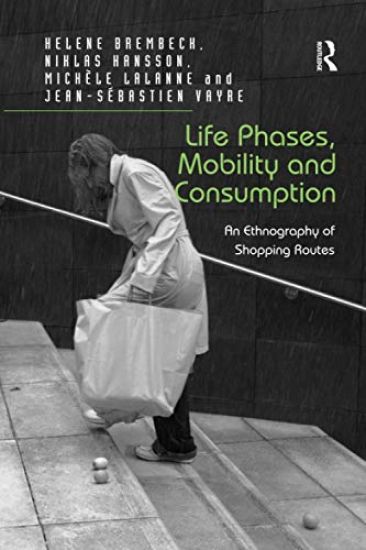
The very routines of our daily life are to a great extent the expression of our vulnerability and dependence on incredibly wide and complex networks and socio-technical systems. Following people’s routes in the city, makes visible the differentially distributed capacities and potentials for mobility. In today’s consumer society, shopping is the kind of mundane and routine mobility that we all engage in. Yet having a first child or growing old radically changes people’s logistical habits as consumers, what the authors of this book call consumer logistics; moving from home to the store and back home again with recent purchases. Depending on the ages and number of children in the family and the condition of one’s body (physical health and strength), going shopping requires quite different settings and gear. Exploring consumer mobility through the lens of life phase and age will deepen the understanding of hitherto under-researched aspects of the ageing process, and of mobility, knowledge that is of vital importance for societies striving for sustainable mobility and sustainable cities.
Reframing Convenience Food

Reframing Convenience Food

Peter Jackson; Helene Brembeck; Jonathan Everts; Maria Fuentes; Bente Halkier; Frej Daniel Hertz; Angela Meah; Valerie Viehoff; Christine Wenzl

Springer Nature Switzerland AG
2019
nidottu
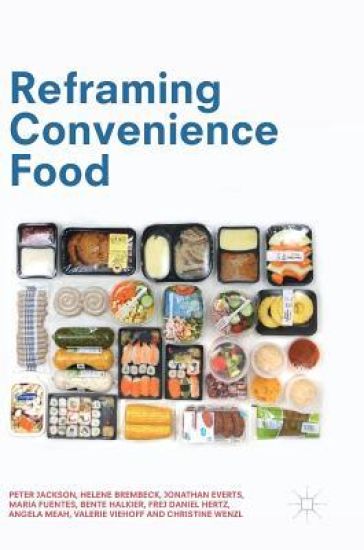
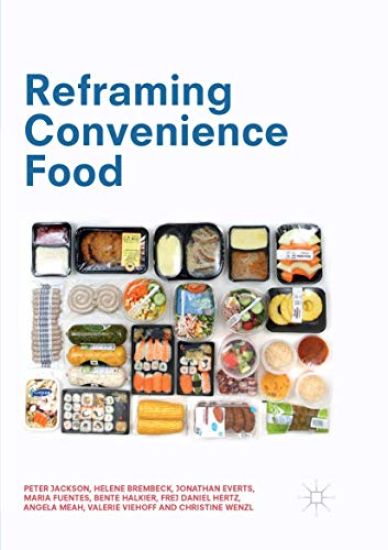
This book questions the simplistic view that convenience food is unhealthy and environmentally unsustainable. By exploring how various types of convenience food have become embedded in consumers’ lives, it considers what lessons can be learnt from the commercial success of convenience food for those who seek to promote healthier and more sustainable diets. The project draws on original findings from comparative research in the UK, Denmark, Germany and Sweden (funded through the ERA-Net Sustainable Food programme). Reframing Convenience Food avoids moral judgments about convenience food, and instead provides a refreshingly novel perspective guided by an understanding of everyday consumer practice. It will appeal to those with an interest in the sociology and politics behind health, consumerism, sustainability and society.
Reframing Convenience Food

Reframing Convenience Food

Peter Jackson; Helene Brembeck; Jonathan Everts; Maria Fuentes; Bente Halkier; Frej Daniel Hertz; Angela Meah; Valerie Viehoff; Christine Wenzl

Springer International Publishing AG
2018
sidottu
This book questions the simplistic view that convenience food is unhealthy and environmentally unsustainable. By exploring how various types of convenience food have become embedded in consumers’ lives, it considers what lessons can be learnt from the commercial success of convenience food for those who seek to promote healthier and more sustainable diets. The project draws on original findings from comparative research in the UK, Denmark, Germany and Sweden (funded through the ERA-Net Sustainable Food programme). Reframing Convenience Food avoids moral judgments about convenience food, and instead provides a refreshingly novel perspective guided by an understanding of everyday consumer practice. It will appeal to those with an interest in the sociology and politics behind health, consumerism, sustainability and society.
Life Phases, Mobility and Consumption

Life Phases, Mobility and Consumption

Helene Brembeck; Niklas Hansson; Jean-Sébastien Vayre

Routledge
2015
sidottu
The very routines of our daily life are to a great extent the expression of our vulnerability and dependence on incredibly wide and complex networks and socio-technical systems. Following people’s routes in the city, makes visible the differentially distributed capacities and potentials for mobility. In today’s consumer society, shopping is the kind of mundane and routine mobility that we all engage in. Yet having a first child or growing old radically changes people’s logistical habits as consumers, what the authors of this book call consumer logistics; moving from home to the store and back home again with recent purchases. Depending on the ages and number of children in the family and the condition of one’s body (physical health and strength), going shopping requires quite different settings and gear. Exploring consumer mobility through the lens of life phase and age will deepen the understanding of hitherto under-researched aspects of the ageing process, and of mobility, knowledge that is of vital importance for societies striving for sustainable mobility and sustainable cities.