
Kirjojen hintavertailu – 12 859 828 kirjaa ja 27 kauppaa

Kirjailija

Helin Liu

Kirjat ja teokset yhdessä paikassa: 2 kirjaa, julkaisuja vuosilta 2015–2016, suosituimpiin kuuluu Creative Industries and Urban Spatial Structure. Vertaile teosten hintoja ja tarkista saatavuus suomalaisista kirjakaupoista.

2 kirjaa

Kirjojen julkaisuvuodet: 2015–2016.

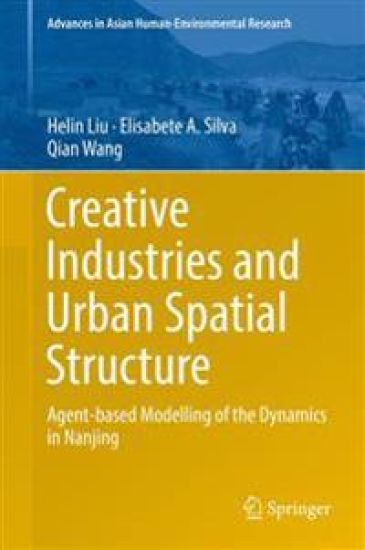
Creative Industries and Urban Spatial Structure

Creative Industries and Urban Spatial Structure

Helin Liu; Qian Wang; Elisabete A. Silva

Springer International Publishing AG
2016
nidottu
This book explores the dynamics of the interaction between the development of creative industries and urban land use in Nanjing, a metropolis and a growth pole in the Yangtze River Delta. In the last two decades, China's economy has been undergoing dramatic growth. Yet, accompanying with China's economic success is the disturbing environmental deterioration and energy concerns. These issues together with the diminution of the advantage of low-cost labour force present many Chinese cities, particularly big cities specialising in manufacturing in the most developed regions, the urgency to find new approaches to "creative China". As an ancient city featured by abundance of cultural heritages and legacies of heavy industries, Nanjing has been striving for a decade to transform its economy towards a creative economy by cultivating creative industries. In parallel with the flourishing of creative industries are contest for land resources among differentinterest parties and restructuring of urban land use. Both are new challenges for urban planning. This complex process is examined in this book by an interdisciplinary approach which integrates GIS, ABM, questionnaire investigation and interview.
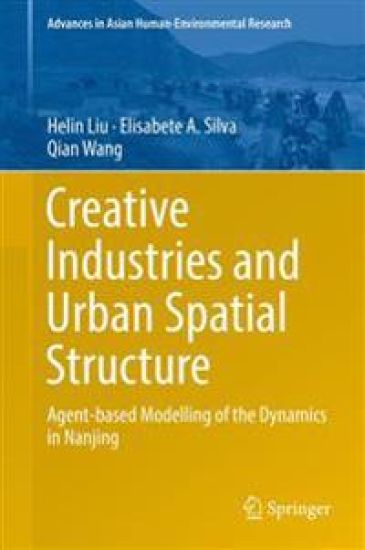
Creative Industries and Urban Spatial Structure

Creative Industries and Urban Spatial Structure

Helin Liu; Qian Wang; Elisabete A. Silva

Springer International Publishing AG
2015
sidottu
This book explores the dynamics of the interaction between the development of creative industries and urban land use in Nanjing, a metropolis and a growth pole in the Yangtze River Delta. In the last two decades, China's economy has been undergoing dramatic growth. Yet, accompanying with China's economic success is the disturbing environmental deterioration and energy concerns. These issues together with the diminution of the advantage of low-cost labour force present many Chinese cities, particularly big cities specialising in manufacturing in the most developed regions, the urgency to find new approaches to "creative China". As an ancient city featured by abundance of cultural heritages and legacies of heavy industries, Nanjing has been striving for a decade to transform its economy towards a creative economy by cultivating creative industries. In parallel with the flourishing of creative industries are contest for land resources among differentinterest parties and restructuring of urban land use. Both are new challenges for urban planning. This complex process is examined in this book by an interdisciplinary approach which integrates GIS, ABM, questionnaire investigation and interview.