Kirjojen hintavertailu – 12 903 724 kirjaa ja 27 kauppaa
Kirjailija
Hemantkumar N. Akolkar
Kirjat ja teokset yhdessä paikassa: 10 kirjaa, julkaisuja vuosilta 2025–2026, suosituimpiin kuuluu Sonochemistry. Vertaile teosten hintoja ja tarkista saatavuus suomalaisista kirjakaupoista.
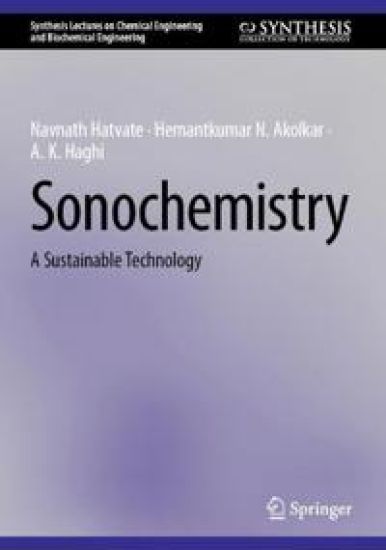
The study of the effects of ultrasound waves on a chemical reaction is known as sonochemistry. Ultrasound radiation (between 20 kHz and 2 MHz) is used to drive chemical and physical processes in solution. When ultrasound waves pass through liquid, they generate tiny bubbles that expand and then collapse quickly. This process releases energy, which can speed up the chemical reactions. Sonochemistry is considered a sustainable technology because it often utilizes less energy, requires fewer toxic chemicals, and generates less waste compared to traditional chemical processes. Ultrasound waves are utilized in various processes including synthesis, crystallization, and purifications and find applications in various sectors like pharmaceuticals, material sciences, agriculture, food processing, and environment science. This book is focused on applications of sonochemistry. It begins by explaining the basics of the technology and moves on to describing applications in the fields of chemistry, chemical engineering, and environmental engineering, and discussed applications currently being developed and future outlook.
This book is a comprehensive analysis of lithium-ion battery (LIB) technologies. LIBs are one of the most advanced rechargeable batteries available and have garnered significant interest while being the preferred mobile power source for portable electronics while also being widely used across various industries. Combining cutting-edge research with practical insights, it provides an analysis of LIB development, including cathode/anode materials, electrolytes, and separators. It covers Li-ion variants such as LCO, NMC, LFP, LMO, NCA and delves into energy density, cycle life, and safety mechanisms. By discussing topics such as solid-state batteries, silicon anodes, and advanced Li-S/Li-air systems as well as thermal management, degradation, and recycling challenges, this book is essential reading for researchers in electrochemistry, materials science, and energy storage engineering. This is a thorough overview of the development of lithium-ion technologies and the many kinds of LIBs. New advancements and technical issues about next-generation secondary battery systems are also discussed.
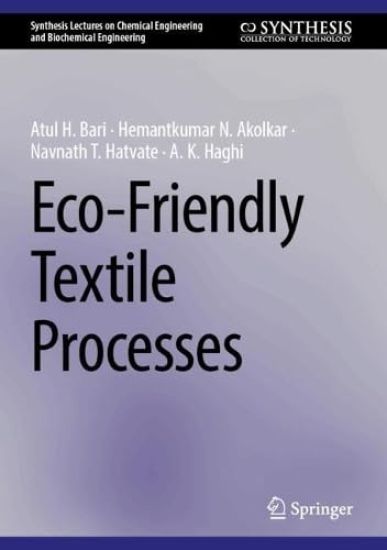
The textile industry is a major environmental polluter. Despite some progress in textile treatment processes and in energy saving, progress is slow, and CO2 emissions continue to rise. In order to better manage the environmental impact of textile treatment processes, it is necessary to understand their principles to be able to improve or replace them with a more environmentally friendly process. This book begins by introducing sustainable practices in the textile industry that are less polluting followed by eco-friendly finishing treatments. Next, the principle of heat and mass transport in fabrics and the practical applications of these theories are explained. Finally emerging environmentally friendly technologies are discussed.
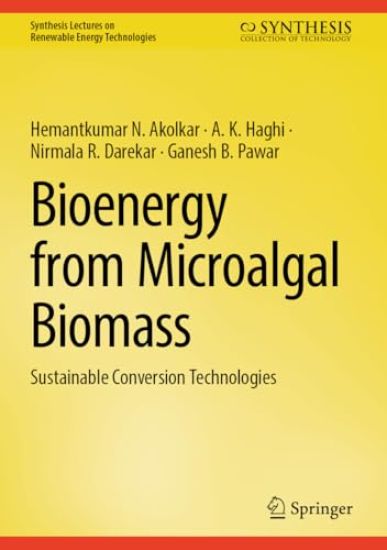
Microalgae, such as algae and cyanobacteria, which are cultivated for their biomass and are rich in lipids, proteins, and carbohydrates, can be used as a renewable energy source. Seeking to mitigate climate change and ensuring energy security, this approach provides several advantages, including being carbon neutral, requiring low water usage, and having high oil content. However, challenges persist, including scalability, cost-effectiveness, biomass harvesting, conversion efficiency, water management, and land use competition with food crops. This book describes the development of a production method of bioenergy from microalgal biomass, and examines the entire process development, from strain improvement and cultivation optimization, through the conversion process, and systems integration. The book delves into related technologies, including catalytic conversion, separation and purification techniques. The potential of microalgal bioenergy as a sustainable energy source is assessed by considering scalability, cost-effectiveness, and environmental impact.
Desalination technologies help address the world's growing water scarcity problem. Desalination is the process of removing salt and other minerals from seawater and brackish water to make them useable for drinking, irrigation, industrial uses, etc. However, challenges associated with desalination processes persist, including high energy consumption, high costs, and environmental concerns such as brine disposal. This book provides an overview of desalination technologies, their underlying principles and their process and system design and operation. The authors explore advancements in automation, waste reduction, and other technological innovations in the field of water purification. Environmental impacts related to desalination are also discussed, including the resulting increase in seawater’s salt level, the impact of chemicals and brine discharge, and the contamination by the chemicals used in the process.
The study of the effects of ultrasound waves on a chemical reaction is known as sonochemistry. Ultrasound radiation (between 20 kHz and 2 MHz) is used to drive chemical and physical processes in solution. When ultrasound waves pass through liquid, they generate tiny bubbles that expand and then collapse quickly. This process releases energy, which can speed up the chemical reactions. Sonochemistry is considered a sustainable technology because it often utilizes less energy, requires fewer toxic chemicals, and generates less waste compared to traditional chemical processes. Ultrasound waves are utilized in various processes including synthesis, crystallization, and purifications and find applications in various sectors like pharmaceuticals, material sciences, agriculture, food processing, and environment science. This book is focused on applications of sonochemistry. It begins by explaining the basics of the technology and moves on to describing applications in the fields of chemistry, chemical engineering, and environmental engineering, and discussed applications currently being developed and future outlook.
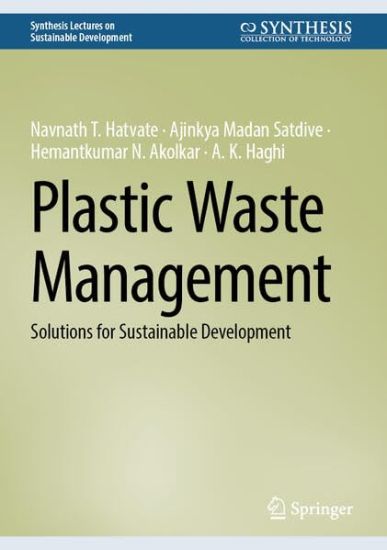
Plastic pollution is a serious global environmental and health concern caused by the excessive use of plastic products and poor management of plastic waste. However, it is a complex issue that requires suitable technologies and effective policies and management strategies. This book describes the current global standard of plastic waste management and explains why and how it should be improved. The book begins with an introduction of the different types of plastic materials and their degradation patterns and explains the impact of plastic pollutants on the environment, the quality of water resources, and on human health. Next, the book describes current solutions for plastic waste management including recycling and toxic reduction methods, moving on to presenting innovative approaches and technologies for plastic waste management. The final chapter discusses future prospects and policy implications.