Kirjojen hintavertailu – 12 876 249 kirjaa ja 26 kauppaa
Kirjailija
Henry Abramovitch
Kirjat ja teokset yhdessä paikassa: 12 kirjaa, julkaisuja vuosilta 2014–2026, suosituimpiin kuuluu Brothers & Sisters. Vertaile teosten hintoja ja tarkista saatavuus suomalaisista kirjakaupoista.
Abramovitch explores the performance aspects of therapy and analysis, going against the tradition of therapeutic discourse in which a narrative is based on specific vignettes chosen to present a theoretical agenda. This view of the therapeutic experience allows random or chance-based occurrences to come to the fore, and challenges the participants to think in new and unexpected ways. Covering aspects of the encounter including nonverbal behaviour, creating a part in the therapeutic drama, setting the stage for therapy and moving the clinic, and including case material throughout, Abramovitch’s book enriches our view of the therapeutic experience.
Eranos: A Play is an imaginative account of a meeting at the Eranos Conference in 1947. Carl Jung, Aniela Jaffe, Erich Neumann, Rabbi Leo Baeck, and the founder of Eranos, Olga Fr be-Kapteyn, are gathered on the grounds of Eranos where the stillness of the setting under the trees and the beauty of the lake and surrounding mountains create a magical aura. Guided by the imagination of the authors, the play is deeply informed by historical sources and deals with questions such as: "What is evil?", "How does one recover from the trauma of war?", and "Is there a need for a new myth for our time?" The volume also includes original essays by members of the Ensemble (all Jungian analysts), an in-depth dialogue between the authors, and invited essays by the Scientific Director of the Eranos Foundation, Riccardo Bernardini, by poet and novelist, Dale Kushner, by film-maker, Luis Moris, and an original poem by theater director, Michael Posnick. Table of Contents-Preface-"Eranos"-A Play-Authors' Reflections on "Eranos" A Dialogue Between Authors Murray Stein and Henry Abramovitch-A Meditation on Olga, by Dariane Pictet-About Being Aniela, by Kathrin Schaeppi-"I came to look at the stone you placed in the garden" On the Symbolic Significance of the Stone of Eranos, by Paul Brutsche-Neumann at Eranos, by John Hill-The Eranos Play, by Gary Hayes-Music for the Play - Place, Period, Presence: Music for "Eranos," by Barbara Helen Miller-Reflections on "Eranos" - A Play, by Dale Kushner-At Eranos, by Michael Posnick-The Daimon of Eranos, by Luis Moris-Jung in the Garden of Eranos: Th e Landscape of Analysis, by Riccardo Bernardini-References-Author Bios
Eranos: A Play is an imaginative account of a meeting at the Eranos Conference in 1947. Carl Jung, Aniela Jaffe, Erich Neumann, Rabbi Leo Baeck, and the founder of Eranos, Olga Fr be-Kapteyn, are gathered on the grounds of Eranos where the stillness of the setting under the trees and the beauty of the lake and surrounding mountains create a magical aura. Guided by the imagination of the authors, the play is deeply informed by historical sources and deals with questions such as: "What is evil?", "How does one recover from the trauma of war?", and "Is there a need for a new myth for our time?" The volume also includes original essays by members of the Ensemble (all Jungian analysts), an in-depth dialogue between the authors, and invited essays by the Scientific Director of the Eranos Foundation, Riccardo Bernardini, by poet and novelist, Dale Kushner, by film-maker, Luis Moris, and an original poem by theater director, Michael Posnick. Table of Contents-Preface-"Eranos"-A Play-Authors' Reflections on "Eranos" A Dialogue Between Authors Murray Stein and Henry Abramovitch-A Meditation on Olga, by Dariane Pictet-About Being Aniela, by Kathrin Schaeppi-"I came to look at the stone you placed in the garden" On the Symbolic Significance of the Stone of Eranos, by Paul Brutsche-Neumann at Eranos, by John Hill-The Eranos Play, by Gary Hayes-Music for the Play - Place, Period, Presence: Music for "Eranos," by Barbara Helen Miller-Reflections on "Eranos" - A Play, by Dale Kushner-At Eranos, by Michael Posnick-The Daimon of Eranos, by Luis Moris-Jung in the Garden of Eranos: Th e Landscape of Analysis, by Riccardo Bernardini-References-Author Bios
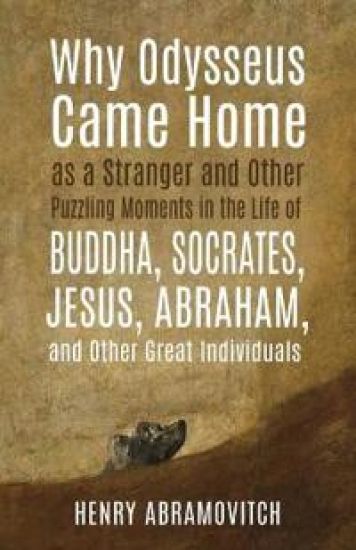
Author Henry Abramovitch comes from a culture that encourages people to ask why. As a Jungian analyst, he also values questions. In reading the life stories of "Great Individuals," he often found himself asking the question, "Why?" Why did Arjuna, greatest general of his age refuse to fight? Why did Socrates remember his debt to Ascalapius, the god of healing, only in his last breath? Why did Jesus, the prophet of love, curse an innocent fig tree? Why did Odysseus come home as a stranger? The short essays in this book do not try to answer these questions, but they do provide a response, enriched by Jewish tradition and Jungian psychology.
Author Henry Abramovitch comes from a culture that encourages people to ask why. As a Jungian analyst, he also values questions. In reading the life stories of "Great Individuals," he often found himself asking the question, "Why?" Why did Arjuna, greatest general of his age refuse to fight? Why did Socrates remember his debt to Ascalapius, the god of healing, only in his last breath? Why did Jesus, the prophet of love, curse an innocent fig tree? Why did Odysseus come home as a stranger? The short essays in this book do not try to answer these questions, but they do provide a response, enriched by Jewish tradition and Jungian psychology.
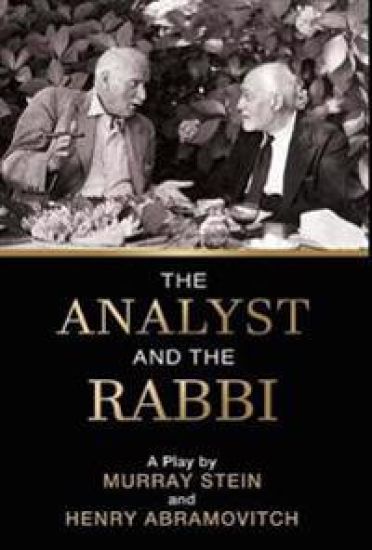
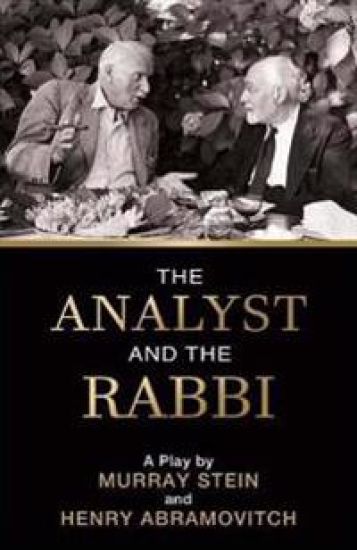
A meeting between C. G. Jung and Rabbi Leo Baeck took place in Zurich in October 1946 at the Savoy Hotel Baur en Ville. Very little is actually known about this meeting. There are no extant notes or reports from the principals indicating what was said or discussed. There was no secretary present taking down minutes of the conversation. What is known from the few documents attesting to this meeting is that it took place at Jung's request and that Baeck did not wish to meet with Jung. This play, The Analyst and the Rabbi, is an imaginative construction of what might have happened in this historic meeting of two great men.
A meeting between C. G. Jung and Rabbi Leo Baeck took place in Zurich in October 1946 at the Savoy Hotel Baur en Ville. Very little is actually known about this meeting. There are no extant notes or reports from the principals indicating what was said or discussed. There was no secretary present taking down minutes of the conversation. What is known from the few documents attesting to this meeting is that it took place at Jung's request and that Baeck did not wish to meet with Jung. This play, The Analyst and the Rabbi, is an imaginative construction of what might have happened in this historic meeting of two great men.
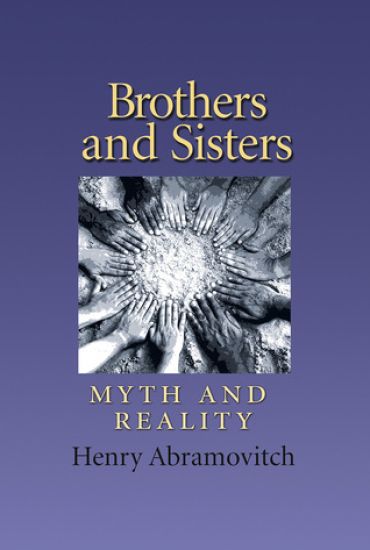
Growing up, we typically spend more time with our brothers and sisters than we do with our parents. In an age of divorce, mobility, and alienation, the sibling bond is often the only one that really lasts. Given that brothers and sisters are such a fundamental aspect of human existence, it is remarkable that they have received so little in-depth attention in the field of psychology. Henry Abramovitch’s Brothers and Sisters explores the tension between the myth and reality of brothers and sisters in a variety of cultures and through the poignant brother-sister stories in the Bible. Abramovitch looks at the developmental sequence in the sibling relationship as brothers or sisters struggle to find their place with each other, concluding with a very personal account of his own relationship with his brother and sister.