

Kirjailija
Henry Thoreau
Kirjat ja teokset yhdessä paikassa: 46 kirjaa, julkaisuja vuosilta 1984–2026, suosituimpiin kuuluu The Freedom to be Yourself. Vertaile teosten hintoja ja tarkista saatavuus suomalaisista kirjakaupoista.
46 kirjaa
Kirjojen julkaisuvuodet: 1984–2026.

Where I Lived, and What I Lived For
Henry Thoreau
Penguin Books Ltd
2005
nidottu
Halvin toimitettuna 14,50 €
Throughout history, some books have changed the world. They have transformed the way we see ourselves - and each other. They have inspired debate, dissent, war and revolution. They have enlightened, outraged, provoked and comforted. They have enriched lives - and destroyed them. Now Penguin brings you the works of the great thinkers, pioneers, radicals and visionaries whose ideas shook civilization and helped make us who we are. Thoreau's account of his solitary and self-sufficient home in the New England woods remains an inspiration to the environmental movement - a call to his fellow men to abandon their striving, materialistic existences of 'quiet desperation' for a simple life within their means, finding spiritual truth through awareness of the sheer beauty of their surroundings.
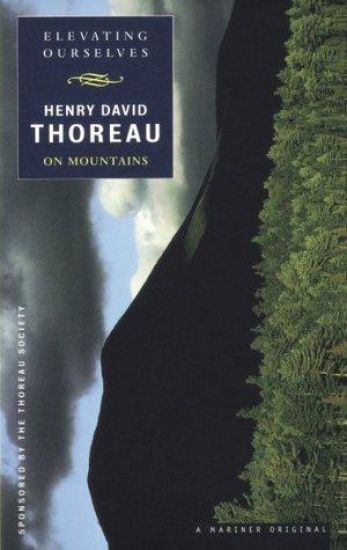
"On tops of mountains, as everywhere to hopeful souls, it is always morning," Thoreau wrote. J. Parker Huber is along for the climb, comparing what Thoreau say in his era to what we can see today.

"It is only when we forget our learning that we begin to know," Thoreau wrote. Ideas about education permeate Thoreau's writing. Uncommon Learning brings those ideas together in a single volume for the first time.

In this classic of American literature, Thoreau gives an account of his two years experience of the 'simple life' in the woods, telling how he sought and found material and spiritual sustenance in the solitude of the cabin which he built for himself on the shore of Walden Pond, near Concord, Massachusetts.

Walden and Civil Disobedience
Henry Thoreau
Penguin Classics
1984
pokkari
Halvin toimitettuna 18,90 €
Disdainful of America’s booming commercialism and industrialism, Henry David Thoreau left Concord, Massachusetts, in 1845 to live in solitude in the woods near Walden Pond. Walden, the account of his stay, conveys at once a naturalist’s wonder at the commonplace and a Transcendentalist’s yearning for spiritual truth and self-reliance. But even as Thoreau disentangled himself from worldly matters, his musings were often disturbed by his social conscience. Civil Disobedience, also included in this volume, expresses his antislavery and antiwar sentiments, and has influenced non-violent resistance movements worldwide. Both give a rewarding insight into a free-minded, principled and idiosyncratic man.