Kirjojen hintavertailu – 12 859 828 kirjaa ja 27 kauppaa

Kirjailija

Henry Van Dyke

Kirjat ja teokset yhdessä paikassa: 551 kirjaa, julkaisuja vuosilta 1913–2026, suosituimpiin kuuluu Songs Out Of Doors. Vertaile teosten hintoja ja tarkista saatavuus suomalaisista kirjakaupoista.

551 kirjaa

Kirjojen julkaisuvuodet: 1913–2026.

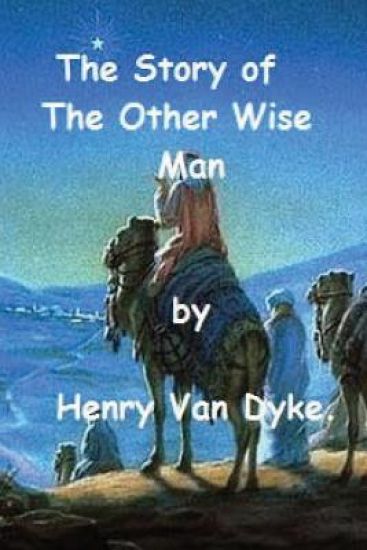
The Story of The Other Wise Man by Henry Van Dyke.

The Story of The Other Wise Man by Henry Van Dyke.

Henry Van Dyke

Createspace Independent Publishing Platform
2016
nidottu
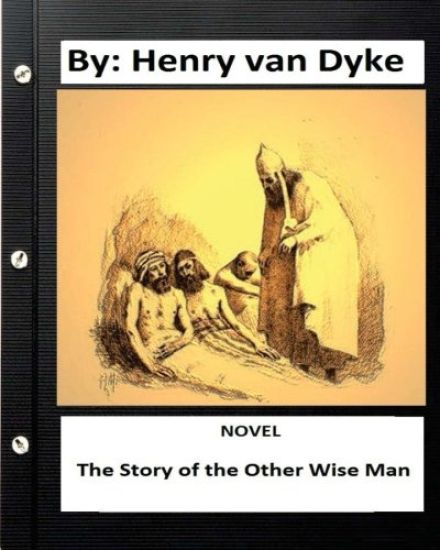
The Story of The Other Wise Man by Henry Van Dyke. The Story of the Other Wise Man is a short novel or long short story by Henry van Dyke. It was initially published in 1895 and has been reprinted many times since then. The story is an addition and expansion of the account of the Biblical Magi, recounted in the Gospel of Matthew in the New Testament. It tells about a "fourth" wise man (accepting the tradition that the Magi numbered three), a priest of the Magi named Artaban, one of the Medes from Persia. Like the other Magi, he sees signs in the heavens proclaiming that a King had been born among the Jews. Like them, he sets out to see the newborn ruler, carrying treasures to give as gifts to the child - a sapphire, a ruby, and a "pearl of great price". However, he stops along the way to help a dying man, which makes him late to meet with the caravan of the other three wise men. Because he missed the caravan, and he can't cross the desert with only a horse, he is forced to sell one of his treasures in order to buy the camels and supplies necessary for the trip. He then commences his journey but arrives in Bethlehem too late to see the child, whose parents have fled to Egypt. He saves the life of a child at the price of another of his treasures. He then travels to Egypt and to many other countries, searching for Jesus for many years and performing acts of charity along the way. After 33 years, Artaban is still a pilgrim, and a seeker after light. Artaban arrives in Jerusalem just in time for the crucifixion of Jesus. He spends his last treasure, the pearl, to ransom a young woman from being sold into slavery. He is then struck in the head by a falling roof tile and is about to die, having failed in his quest to find Jesus, but having done much good through charitable works. A voice tells him "Verily I say unto thee, Inasmuch as thou hast done it unto one of the least of these my brethren, thou hast done it unto me."(Matthew 25:40) He dies in a calm radiance of wonder and joy. His treasures were accepted, and the Other Wise Man found his King.

Little rivers; a book of essays in profitable idleness. By: Henry Van Dyke: book of essays (illustrated)
Henry Jackson van Dyke (November 10, 1852 - April 10, 1933) was an American author, educator, and clergyman. *Biography* Henry van Dyke was born on November 10, 1852, in Germantown, Pennsylvania. He graduated from Poly Prep Country Day School in 1869, Princeton University, in 1873 and from Princeton Theological Seminary, 1877. He served as a professor of English literature at Princeton between 1899 and 1923. Van Dyke chaired the committee that wrote the first Presbyterian printed liturgy, The Book of Common Worship of 1906. In 1908-09 Dr. van Dyke was a lecturer at the University of Paris. By appointment of President Woodrow Wilson, a friend and former classmate of van Dyke, he became Minister to the Netherlands and Luxembourg in 1913. Shortly after his appointment, World War I threw Europe into dismay. Americans all around Europe rushed to Holland as a place of refuge. Although inexperienced as an ambassador, van Dyke conducted himself with the skill of a trained diplomat, maintaining the rights of Americans in Europe and organizing work for their relief. He later related his experiences and perceptions in the book Pro Patria (1921). Van Dyke resigned as ambassador at the beginning of December 1916 and returned to the United States. He was subsequently elected to the American Academy of Arts and Letters and received many other honors. Van Dyke was a friend of Helen Keller. Keller writes, "Dr. van Dyke is the kind of a friend to have when one is up against a difficult problem. He will take trouble, days and nights of trouble, if it is for somebody else or for some cause he is interested in. 'I'm not an optimist, ' says Dr. van Dyke, 'there's too much evil in the world and in me. Nor am I a pessimist; there is too much good in the world and in God. So I am just a meliorist, believing that He wills to make the world better, and trying to do my bit to help and wishing that it were more.'"He died on April 10, 1933. He is buried in Princeton Cemetery. A biography of Van Dyke, titled Henry Van Dyke: A Biography, was written by his son Tertius van Dyke and published in 193
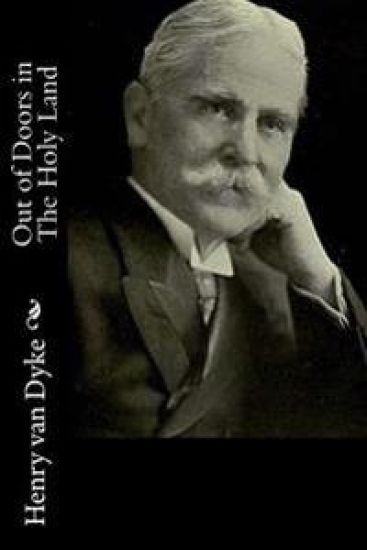
Out-of-doors in the Holy land; impressions of travel in body and spirit.: By: Henry Van Dyke and By: Howard Crosby Butler (March 7, 1872 Croton Falls,
Henry Jackson van Dyke (November 10, 1852 - April 10, 1933) was an American author, educator, and clergyman. *Biography* Henry van Dyke was born on November 10, 1852, in Germantown, Pennsylvania. He graduated from Poly Prep Country Day School in 1869, Princeton University, in 1873 and from Princeton Theological Seminary, 1877. He served as a professor of English literature at Princeton between 1899 and 1923. Van Dyke chaired the committee that wrote the first Presbyterian printed liturgy, The Book of Common Worship of 1906. In 1908-09 Dr. van Dyke was a lecturer at the University of Paris. By appointment of President Woodrow Wilson, a friend and former classmate of van Dyke, he became Minister to the Netherlands and Luxembourg in 1913. Shortly after his appointment, World War I threw Europe into dismay. Americans all around Europe rushed to Holland as a place of refuge. Although inexperienced as an ambassador, van Dyke conducted himself with the skill of a trained diplomat, maintaining the rights of Americans in Europe and organizing work for their relief. He later related his experiences and perceptions in the book Pro Patria (1921). Van Dyke resigned as ambassador at the beginning of December 1916 and returned to the United States. He was subsequently elected to the American Academy of Arts and Letters and received many other honors. Van Dyke was a friend of Helen Keller. Keller writes, "Dr. van Dyke is the kind of a friend to have when one is up against a difficult problem. He will take trouble, days and nights of trouble, if it is for somebody else or for some cause he is interested in. 'I'm not an optimist, ' says Dr. van Dyke, 'there's too much evil in the world and in me. Nor am I a pessimist; there is too much good in the world and in God. So I am just a meliorist, believing that He wills to make the world better, and trying to do my bit to help and wishing that it were more.'" He died on April 10, 1933. He is buried in Princeton Cemetery. A biography of Van Dyke, titled Henry Van Dyke: A Biography, was written by his son Tertius van Dyke and published in 1935.. Howard Crosby Butler (March 7, 1872 Croton Falls, New York - August 13, 1922 Neuilly) was a United States educator and archaeologis
The Blue Flower (1902). By: Henry van Dyke (illustrated): To the dear memory of: Bernard Van Dyke (Birth: Aug. 26, 1887; Death: Mar. 29, 1897)
To the dear memory of: Bernard Van Dyke (Birth: Aug. 26, 1887; Death: Mar. 29, 1897). Henry Jackson van Dyke (November 10, 1852 - April 10, 1933) was an American author, educator, and clergyman. *Biography* Henry van Dyke was born on November 10, 1852, in Germantown, Pennsylvania. He graduated from Poly Prep Country Day School in 1869, Princeton University, in 1873 and from Princeton Theological Seminary, 1877. He served as a professor of English literature at Princeton between 1899 and 1923. Van Dyke chaired the committee that wrote the first Presbyterian printed liturgy, The Book of Common Worship of 1906. In 1908-09 Dr. van Dyke was a lecturer at the University of Paris. By appointment of President Woodrow Wilson, a friend and former classmate of van Dyke, he became Minister to the Netherlands and Luxembourg in 1913. Shortly after his appointment, World War I threw Europe into dismay. Americans all around Europe rushed to Holland as a place of refuge. Although inexperienced as an ambassador, van Dyke conducted himself with the skill of a trained diplomat, maintaining the rights of Americans in Europe and organizing work for their relief. He later related his experiences and perceptions in the book Pro Patria (1921). Van Dyke resigned as ambassador at the beginning of December 1916 and returned to the United States. He was subsequently elected to the American Academy of Arts and Letters and received many other honors. Van Dyke was a friend of Helen Keller. Keller writes, "Dr. van Dyke is the kind of a friend to have when one is up against a difficult problem. He will take trouble, days and nights of trouble, if it is for somebody else or for some cause he is interested in. 'I'm not an optimist, ' says Dr. van Dyke, 'there's too much evil in the world and in me. Nor am I a pessimist; there is too much good in the world and in God. So I am just a meliorist, believing that He wills to make the world better, and trying to do my bit to help and wishing that it were more.'"He died on April 10, 1933. He is buried in Princeton Cemetery. A biography of Van Dyke, titled Henry Van Dyke: A Biography, was written by his son Tertius van Dyke and published in 193
Fisherman's luck, and some other uncertain things. By: Henry van Dyke: illustrated By: F. Walter Taylor (Philadelphia, 1874 - 1921)
Henry Jackson van Dyke (November 10, 1852 - April 10, 1933) was an American author, educator, and clergyman. *Biography* Henry van Dyke was born on November 10, 1852, in Germantown, Pennsylvania. He graduated from Poly Prep Country Day School in 1869, Princeton University, in 1873 and from Princeton Theological Seminary, 1877. He served as a professor of English literature at Princeton between 1899 and 1923. Van Dyke chaired the committee that wrote the first Presbyterian printed liturgy, The Book of Common Worship of 1906. In 1908-09 Dr. van Dyke was a lecturer at the University of Paris. By appointment of President Woodrow Wilson, a friend and former classmate of van Dyke, he became Minister to the Netherlands and Luxembourg in 1913. Shortly after his appointment, World War I threw Europe into dismay. Americans all around Europe rushed to Holland as a place of refuge. Although inexperienced as an ambassador, van Dyke conducted himself with the skill of a trained diplomat, maintaining the rights of Americans in Europe and organizing work for their relief. He later related his experiences and perceptions in the book Pro Patria (1921). Van Dyke resigned as ambassador at the beginning of December 1916 and returned to the United States. He was subsequently elected to the American Academy of Arts and Letters and received many other honors. Van Dyke was a friend of Helen Keller. Keller writes, "Dr. van Dyke is the kind of a friend to have when one is up against a difficult problem. He will take trouble, days and nights of trouble, if it is for somebody else or for some cause he is interested in. 'I'm not an optimist, ' says Dr. van Dyke, 'there's too much evil in the world and in me. Nor am I a pessimist; there is too much good in the world and in God. So I am just a meliorist, believing that He wills to make the world better, and trying to do my bit to help and wishing that it were more.'"He died on April 10, 1933. He is buried in Princeton Cemetery. A biography of Van Dyke, titled Henry Van Dyke: A Biography, was written by his son Tertius van Dyke and published in 1935.. Taylor, Frank Walter (Philadelphia, 1874 - 1921) "Frank Walter Taylor worked almost exclusively with charcoal which he employed with a full tonal range from the white of the paper to rich blacks. His pictures give us an intimate view of social life of the times." Frank Walter Taylor: A major early twentieth century American illustrator, F. Walter Taylor first studied under his father, Frank H. Taylor, who had been a Civil War artist and correspondent. He continued his studies in 1896 at the Pennsylvania Academy of the Fine Arts. While there, Frank Taylor was awarded a traveling scholarship which enabled him to conclude his education in Paris. He then returned to Philadelphia in 1898 and established a studio there. During the following twenty years, Frank Walter Taylor was a leading illustrator of the American scene, and he regularly contributed his art to such national publications as "Harper's Monthly" and "Collier's". He also authored and illustrated a number of stories for leading periodicals. Frank Walter Taylor was a full member of the Pennsylvania Academy of Fine Arts and the Society of Illustrators. He was awarded a Medal of Honor for Illustration at the Panama Pacific International Exposition in 1915. "Figure Study" is a brilliant example of Frank Walter Taylor's art. Concentrating all his artistic energies upon the pensive pose of a young man he has deliberately left his facial details vague while concentrating upon the rapid expression of his form. Only a most gifted illustrative artist could convey so much so simply. Provenance: This original Frank Walter Taylor drawing was formerly in the collection of the Benjamin West ...
The Story of the Other Wise Man. NOVEL By: Henry van Dyke

The Story of the Other Wise Man. NOVEL By: Henry van Dyke

Henry Van Dyke

Createspace Independent Publishing Platform
2016
nidottu
The Story of the Other Wise Man is a short novel or long short story by Henry van Dyke. It was initially published in 1895 and has been reprinted many times since then. The story is an addition and expansion of the account of the Biblical Magi, recounted in the Gospel of Matthew in the New Testament. It tells about a "fourth" wise man (accepting the tradition that the Magi numbered three), a priest of the Magi named Artaban, one of the Medes from Persia. Like the other Magi, he sees signs in the heavens proclaiming that a King had been born among the Jews. Like them, he sets out to see the newborn ruler, carrying treasures to give as gifts to the child - a sapphire, a ruby, and a "pearl of great price". However, he stops along the way to help a dying man, which makes him late to meet with the caravan of the other three wise men. Because he missed the caravan, and he can't cross the desert with only a horse, he is forced to sell one of his treasures in order to buy the camels and supplies necessary for the trip. He then commences his journey but arrives in Bethlehem too late to see the child, whose parents have fled to Egypt. He saves the life of a child at the price of another of his treasures. He then travels to Egypt and to many other countries, searching for Jesus for many years and performing acts of charity along the way. After 33 years, Artaban is still a pilgrim, and a seeker after light. Artaban arrives in Jerusalem just in time for the crucifixion of Jesus. He spends his last treasure, the pearl, to ransom a young woman from being sold into slavery. He is then struck in the head by a falling roof tile and is about to die, having failed in his quest to find Jesus, but having done much good through charitable works. A voice tells him "Verily I say unto thee, Inasmuch as thou hast done it unto one of the least of these my brethren, thou hast done it unto me."(Matthew 25:40) 4] He dies in a calm radiance of wonder and joy. His treasures were accepted, and the Other Wise Man found his King