Kirjojen hintavertailu – 12 903 725 kirjaa ja 27 kauppaa

Kirjailija

Henry W Maier

Kirjat ja teokset yhdessä paikassa: 3 kirjaa, julkaisuja vuosilta 1987–1988, suosituimpiin kuuluu Three Theories of Child Development. Vertaile teosten hintoja ja tarkista saatavuus suomalaisista kirjakaupoista.

Nimi esiintyy myös muodoissa: Henry W. Maier

3 kirjaa

Kirjojen julkaisuvuodet: 1987–1988.

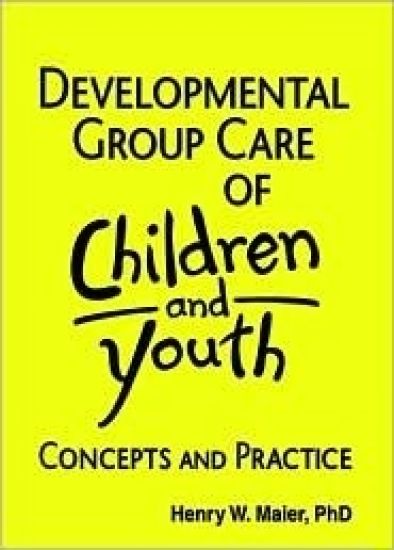
Developmental Group Care of Children and Youth

Developmental Group Care of Children and Youth

Jerome Beker; Henry W Maier

Routledge Member of the Taylor and Francis Group
1988
nidottu
A recognized leader in the professional development of the child and youth care field presents--in this single volume--a collection of his work related to group care work with children and youth. Henry Maier shares his observations about human development in the group care context, the perceptions of children and youth, the environments in which we work with them, the role of the worker, and the preparation of child and youth care workers. Dr. Maier’s practical approaches reflect the most recent research and thinking in human development. This book is a practical text for courses in the child and youth field, as well as a useful handbook for child and youth caseworkers already on the job. BACKCOVER COPY In what way can group care--non-familial living--assure children a developmental progress similar to that of children growing up within regular family care settings? In his practical new text, Henry Maier--one of the most vibrant, creative, and humane figures in child and youth care work today--answers that question for child care professionals using a developmental perspective in his approach to residential group care. He focuses on the developmental requirements of children and adolescents in relation to the care they receive while they are in no-familial, group living situations and also highlights training for the caregivers in order that they can effectively provide the kind of caring involvement that children and youth require. “The real contribution of this book . . . is that it cuts throught the confusion of competing values and competing points of view to focus on the care at the heart of child care work,” attests Richard W. Small, PhD, Executive Director of the Walker Home and School, Needham, Massachusetts (from the Preface).
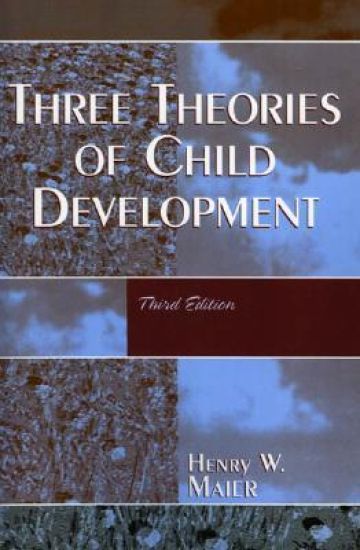
Three Theories of Child Development

Three Theories of Child Development

Henry W. Maier

University Press of America
1988
nidottu
This study builds upon the belief that a human being is a manifold between being who acts, feels, and thinks. No one account about human development, whether behavioral, psychodynamic, or cognitive, can fully explain human development. This book is written with the conviction that study, research, and actual work with children or youth should build upon that which is already known.
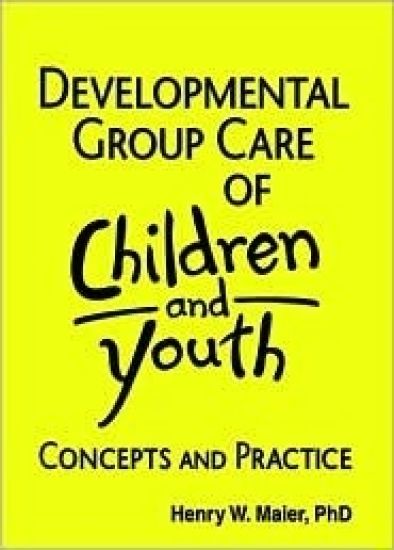
Developmental Group Care of Children and Youth

Developmental Group Care of Children and Youth

Jerome Beker; Henry W Maier

Routledge Member of the Taylor and Francis Group
1987
sidottu
A recognized leader in the professional development of the child and youth care field presents--in this single volume--a collection of his work related to group care work with children and youth. Henry Maier shares his observations about human development in the group care context, the perceptions of children and youth, the environments in which we work with them, the role of the worker, and the preparation of child and youth care workers. Dr. Maier’s practical approaches reflect the most recent research and thinking in human development. This book is a practical text for courses in the child and youth field, as well as a useful handbook for child and youth caseworkers already on the job. BACKCOVER COPY In what way can group care--non-familial living--assure children a developmental progress similar to that of children growing up within regular family care settings? In his practical new text, Henry Maier--one of the most vibrant, creative, and humane figures in child and youth care work today--answers that question for child care professionals using a developmental perspective in his approach to residential group care. He focuses on the developmental requirements of children and adolescents in relation to the care they receive while they are in no-familial, group living situations and also highlights training for the caregivers in order that they can effectively provide the kind of caring involvement that children and youth require. “The real contribution of this book . . . is that it cuts throught the confusion of competing values and competing points of view to focus on the care at the heart of child care work,” attests Richard W. Small, PhD, Executive Director of the Walker Home and School, Needham, Massachusetts (from the Preface).