
Kirjojen hintavertailu – 12 859 818 kirjaa ja 27 kauppaa

Kirjailija

Henry Yeomans

Kirjat ja teokset yhdessä paikassa: 3 kirjaa, julkaisuja vuosilta 2014–2021, suosituimpiin kuuluu Historical Criminology. Vertaile teosten hintoja ja tarkista saatavuus suomalaisista kirjakaupoista.

3 kirjaa

Kirjojen julkaisuvuodet: 2014–2021.

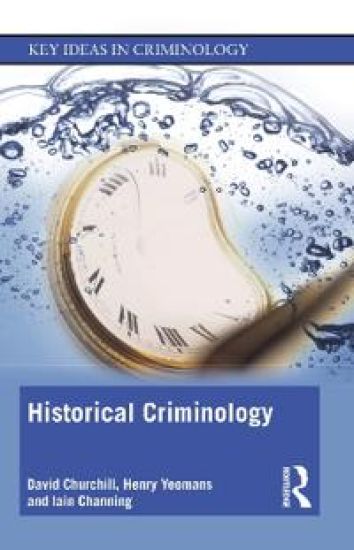
Historical Criminology

Historical Criminology

David Churchill; Henry Yeomans; Iain Channing

Routledge
2021
nidottu

Halvin toimitettuna 52,20 €

This book sets an agenda for the development of historical approaches to criminology. It defines ‘historical criminology’, explores its characteristic strengths and limitations, and considers its potential to enhance, revise and fundamentally challenge dominant modes of thinking about crime and social responses to crime. It considers the following questions: What is historical criminology? What does thinking historically about crime and justice entail? How is historical criminology currently practised? What are the advantages and disadvantages of different approaches to historical criminology? How can historical criminology reshape understandings of crime and social responses to crime? How does thinking historically bear upon major theoretical, conceptual and methodological questions in criminological research? What does thinking historically have to offer criminological scholarship more broadly, and the uses of criminology in the public realm? In this book, Churchill, Yeomans and Channing situate ‘historical thinking’ at the heart of historical criminology, reveal the value of historical research to criminology and argue that criminologists across the field have much to gain from engaging in historical thinking in a more regular and sustained way. This book is essential reading for all criminologists, as well as students taking courses on theories, concepts and methods in criminology.
Historical Criminology

Historical Criminology

David Churchill; Henry Yeomans; Iain Channing

Routledge
2021
sidottu
This book sets an agenda for the development of historical approaches to criminology. It defines ‘historical criminology’, explores its characteristic strengths and limitations, and considers its potential to enhance, revise and fundamentally challenge dominant modes of thinking about crime and social responses to crime. It considers the following questions: What is historical criminology? What does thinking historically about crime and justice entail? How is historical criminology currently practised? What are the advantages and disadvantages of different approaches to historical criminology? How can historical criminology reshape understandings of crime and social responses to crime? How does thinking historically bear upon major theoretical, conceptual and methodological questions in criminological research? What does thinking historically have to offer criminological scholarship more broadly, and the uses of criminology in the public realm? In this book, Churchill, Yeomans and Channing situate ‘historical thinking’ at the heart of historical criminology, reveal the value of historical research to criminology and argue that criminologists across the field have much to gain from engaging in historical thinking in a more regular and sustained way. This book is essential reading for all criminologists, as well as students taking courses on theories, concepts and methods in criminology.
Alcohol and Moral Regulation

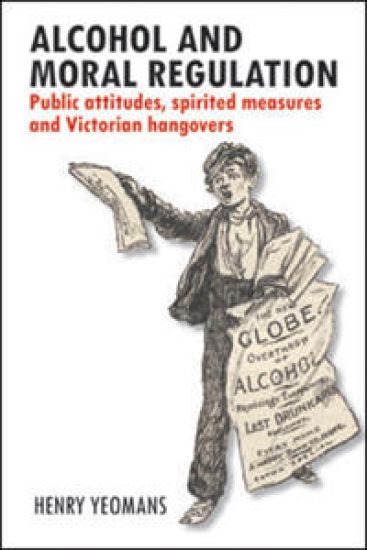
Alcohol and Moral Regulation

Henry Yeomans

Policy Press
2014
sidottu
Alcohol consumption is frequently described as a contemporary, worsening and peculiarly British social problem that requires radical remedial regulation. Informed by historical research and sociological analysis, this book takes an innovative and refreshing look at how public attitudes and the regulation of alcohol have developed through time. It argues that, rather than a response to trends in consumption or harm, ongoing anxieties about alcohol are best understood as ‘hangovers’ derived, in particular, from the Victorian period. The product of several years of research, this book aims to help readers re-evaluate their understandings of drinking. As such, it is essential reading for students, academics and anyone with a serious interest in Britain’s ‘drink problem’.