

Kirjailija
Herman Melville
Kirjat ja teokset yhdessä paikassa: 1 182 kirjaa, julkaisuja vuosilta 1851–2026, suosituimpiin kuuluu Pierre. Vertaile teosten hintoja ja tarkista saatavuus suomalaisista kirjakaupoista.
1 182 kirjaa
Kirjojen julkaisuvuodet: 1851–2026.


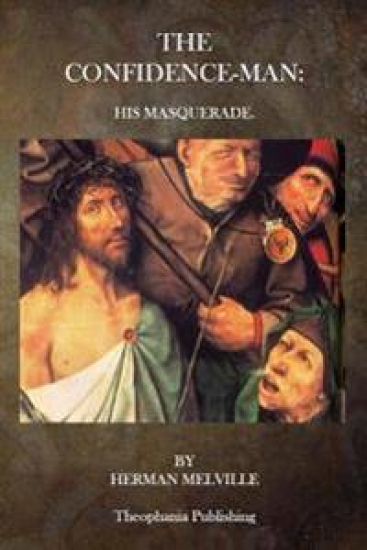
The Confidence-Man: His Masquerade
Herman Melville
Createspace Independent Publishing Platform
2015
nidottu
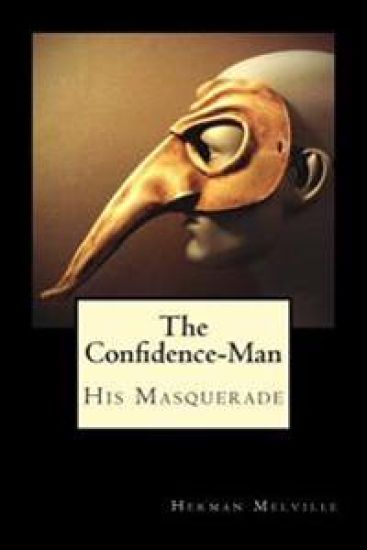
The Confidence-Man: His Masquerade
Herman Melville
Createspace Independent Publishing Platform
2015
nidottu
The Confidence-Man: His Masquerade Herman Melville (1819 - 1891) The Confidence-Man: His Masquerade was the last major novel by Herman Melville, the American writer and author of Moby-Dick. Published on April 1, 1857 (presumably the exact day of the novel's setting), The Confidence-Man was Melville's tenth major work in eleven years. The novel portrays a Canterbury Tales-style group of steamboat passengers whose interlocking stories are told as they travel down the Mississippi River toward New Orleans. The novel is written as cultural satire, allegory, and metaphysical treatise, dealing with themes of sincerity, identity, morality, religiosity, economic materialism, irony, and cynicism. Many critics have placed The Confidence-Man alongside Melville's Moby-Dick and "Bartleby the Scrivener" as a precursor to 20th-century literary preoccupations with nihilism, existentialism, and absurdism.
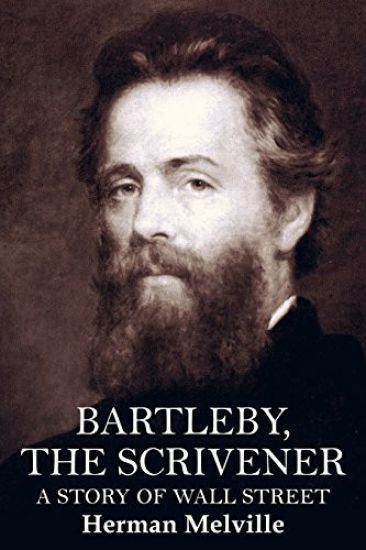
Bartleby, the Scrivener: A Story of Wall Street
Herman Melville
Createspace Independent Publishing Platform
2015
nidottu
"I would prefer not to." --- Herman Melville, Bartleby, the Scrivener "Ah, happiness courts the light so we deem the world is gay. But misery hides aloof so we deem that misery there is none." --- Herman Melville, Bartleby, the Scrivener "Bartleby, the Scrivener: A Story of Wall Street" (1853) is a short story by the American writer Herman Melville, first serialized anonymously in two parts in the November and December editions of Putnam's Magazine, and reprinted with minor textual alterations in his The Piazza Tales in 1856. Numerous essays are published on what according to scholar Robert Milder "is unquestionably the masterpiece of the short fiction" in the Melville canon. Reception Though no great success at the time of publication, "Bartleby the Scrivener" is now among the most noted of American short stories. It has been considered a precursor of absurdist literature, touching on several of Franz Kafka's themes in such works as "A Hunger Artist" and The Trial. There is nothing to indicate that the Bohemian writer was at all acquainted with the work of Melville, who remained largely forgotten until some time after Kafka's death. Albert Camus, in a personal letter to Liselotte Dieckmann published in The French Review in 1998, cites Melville as a key influence.



"The Piazza Tales" from Herman Melville. American writer best known for the novel Moby-Dick (1819-1891).

Israel Potter: (Herman Melville Classics Collection)
Herman Melville
Createspace Independent Publishing Platform
2015
nidottu
Pierre: (Herman Melville Classics Collection)
Herman Melville
Createspace Independent Publishing Platform
2015
nidottu
Redburn. His First Voyage: (Herman Melville Classics Collection)
Herman Melville
Createspace Independent Publishing Platform
2015
nidottu
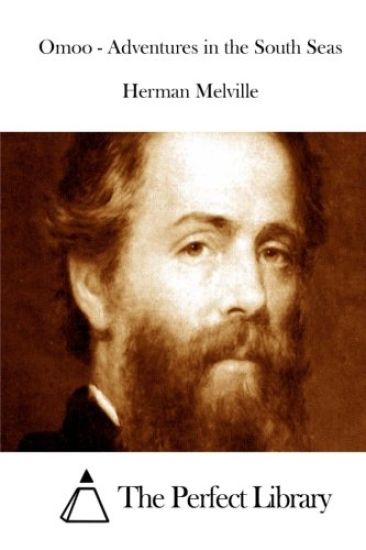
Omoo - Adventures in the South Seas
Herman Melville
Createspace Independent Publishing Platform
2015
nidottu
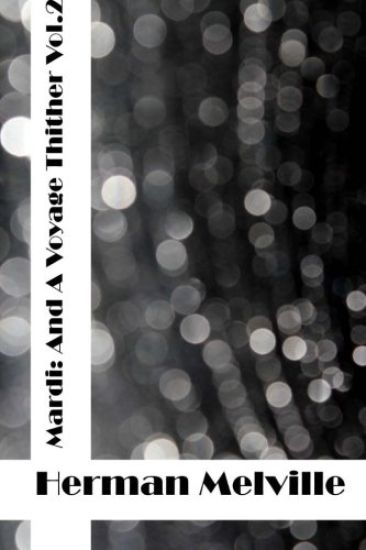
Mardi: And A Voyage Thither Vol 2: (Herman Melville Classics Collection)
Herman Melville
Createspace Independent Publishing Platform
2015
nidottu




Mardi and A Voyage Thither - Volume II
Herman Melville
Createspace Independent Publishing Platform
2015
nidottu