Kirjojen hintavertailu – 12 859 826 kirjaa ja 27 kauppaa
Kirjailija
Hermann Hesse
Kirjat ja teokset yhdessä paikassa: 583 kirjaa, julkaisuja vuosilta 1922–2026, suosituimpiin kuuluu Hermann Hesse Unterwegs.. Vertaile teosten hintoja ja tarkista saatavuus suomalaisista kirjakaupoista.
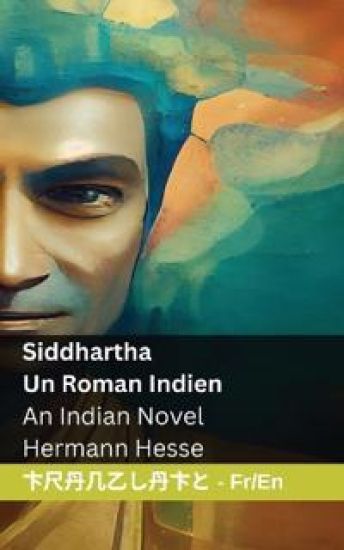
nei giorni a venire, quando Siddharta sarebbe diventato un dio, egli sarebbe stato l in days to come, when Siddhartha would become a god, he would be thereQuando si sarebbe unito ai gloriosi, sarebbe stato l when he would join the glorious, he would be thereGovinda voleva seguirlo come suo amicoGovinda wanted to follow him as his friendera il suo compagno e il suo servohe was his companion and his servantEra il suo portatore di lancia e la sua ombrahe was his spear-carrier and his shadowSiddharta era amato da tuttiSiddhartha was loved by everyoneEra fonte di gioia per tuttiHe was a source of joy for everybodyEra una delizia per tutti lorohe was a delight for them allMa lui, Siddharta, non era una fonte di gioia per se stessoBut he, Siddhartha, was not a source of joy for himself

Hermann Hesse's "Beneath the Wheel" is a thought-provoking and moving coming-of-age tale about academic pressures and an attempt for uniqueness in a conformist society. The novel is set in a strict early twentieth-century German boarding school and follows the lives of Hans Giebenrath, a gifted student who struggles with academic demands and cultural conformity. While attempting to grow intellectually, he is dealing with the emotional and psychological toll that this rigid system exacts. Hesse's powerful prose dives into a young man's head, exploring the struggle between personal impulses and society demands. "Beneath the Wheel" is a touching examination of the sacrifices people make in pursuit of achievement and the cost they pay for abandoning their true selves.
Follow Siddhartha on a journey toward peace and enlightenment in this vibrantly illustrated hardcover edition of Herman Hesse’s lyrical masterwork. Set in ancient Nepal, Siddhartha rediscovers the illumination gained through travel, meditation, and the teachings of the Buddha. Join the young Brahmin in his quest for reality as he explores themes of enlightenment and self-discovery. This stunning edition brings renewed brilliance to Herman Hesse’s classic novel Siddhartha with:A display-worthy cover featuring debossing and foil accentsSumptuous chapter openers, each boasting a full-color illustration surrounded by meditative patternsDecorative flourishes on each page cornerIntricately illustrated pull quotes throughout the bookCombined with the original text from the US publication in 1951, these elements enhance Hesse’s poetic vision, invigorating the mind and senses. This elegantly designed keepsake edition is an inspiring addition to any bookshelf.
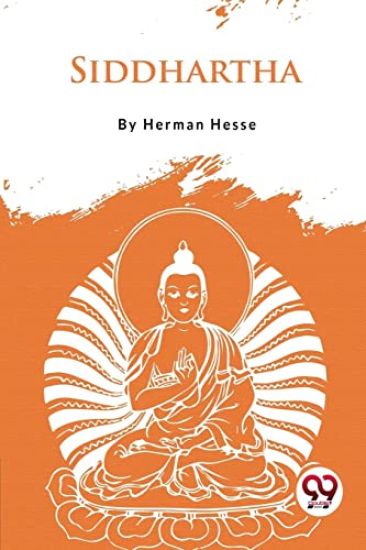
Leaving the safety of his family behind, Siddhartha embarks on a lifelong quest to seek answers wherever he might find them. But the road to enlightenment is fraught with perils, and the path of the seeker never seems to end. Siddhartha's only hope is to navigate through the obstacles of life and at last find the knowledge he seeks: the knowledge of himself. This beautifully-illustrated edition of Hermann Hesse's classic novel is a wonderful volume to any book collection, bringing the novel to life with magical imagery and vibrant colour.
Siddhartha is a compelling and deeply philosophical novel written by Hermann Hesse, first published in 1922. This literary masterpiece explores the spiritual journey and existential quest of its titular protagonist, Siddhartha, in ancient India. Set against a backdrop of lush, mystical landscapes and steeped in Eastern spirituality, the novel offers a profound exploration of the human search for meaning and self-discovery. Siddhartha, the central character, begins his life as a young Brahmin, blessed with privilege and a promising future. However, he feels a profound sense of emptiness and restlessness within him, which drives him to leave his comfortable life behind in search of a deeper truth. His journey takes him through various stages of existence, from the asceticism of the Samanas to the materialistic world of business and wealth, and finally to the banks of the sacred river where he encounters the enlightened Buddha himself. Throughout his odyssey, Siddhartha grapples with profound questions about the nature of self, desire, suffering, and the ultimate purpose of human existence. He encounters a cast of diverse characters, each representing different facets of human experience and philosophy, from Kamala, the courtesan, to Vasudeva, the wise ferryman. Hesse's prose is lyrical and introspective, weaving a narrative that is both timeless and universal. Siddhartha's quest mirrors the universal human struggle to reconcile the demands of the material world with the longing for spiritual enlightenment. As the novel unfolds, readers are invited to contemplate the eternal themes of self-discovery, transcendence, and the interconnectedness of all living beings. Siddhartha is not merely a story; it is a profound meditation on the human condition and a spiritual guide that encourages readers to embark on their own journeys of self-discovery. This literary classic continues to captivate and inspire readers around the world, offering profound insights into the pursuit of wisdom, enlightenment, and the elusive path to inner peace.
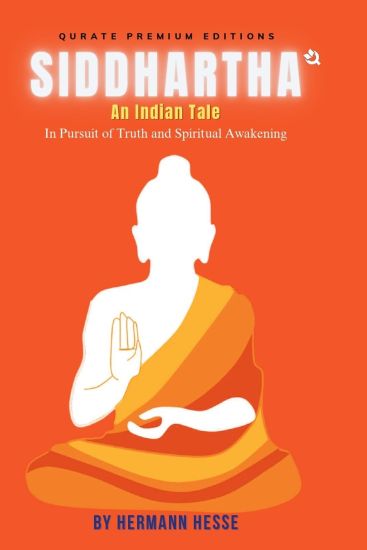
"Siddhartha: An Indian Tale" is a novel written by German author Hermann Hesse, first published in 1922. The book is a philosophical and spiritual journey that follows the life of the titular character, Siddhartha, in ancient India during the time of Gautama Buddha. The story begins with Siddhartha, a young Brahmin, who embarks on a quest for self-discovery and enlightenment. He feels discontented with his sheltered life and seeks a deeper understanding of existence beyond traditional religious teachings. Along his journey, Siddhartha encounters various characters and experiences a diverse array of lifestyles, including asceticism, materialism, and love. Each phase of his life contributes to his understanding of the world and himself. As the narrative unfolds, Siddhartha encounters the Buddha and learns from him but chooses to follow his own path to spiritual awakening. Throughout the novel, Hesse explores themes of individualism, the quest for wisdom, the duality of human nature, and the search for inner peace. The profound narrative and timeless themes in "Siddhartha" have made it a classic work that continues to resonate with readers across cultures and generations, inspiring contemplation and reflection on the meaning of life and the pursuit of enlightenment.
First published in 1919, it is a brilliant journey of the psyche written by one of Germany's most influential writers and thinkers-Herman Hesse. A young man awakens to selfhood and to a world of possibilities beyond the conventions of his upbringing. Emil Sinclair is a quiet boy drawn into a forbidden yet seductive realm of petty crime and defiance. His guide is his precocious, mysterious classmate Max Demian, who provokes in Emil a search for self-discovery and spiritual fulfilment.
"Demian: The Story of Emil Sinclair's Youth" is a novel by Hermann Hesse, published in 1919. It tells the story of a young man named Emil Sinclair and his coming-of-age journey in Germany at the turn of the 20th century. The novel explores themes of individualism, self-discovery, and the search for spiritual meaning. "Demian" is a complex and layered novel that explores the complexities of human nature and the struggle to find meaning and purpose in a world that can often feel confusing and chaotic. The novel has been widely acclaimed for its psychological depth and its exploration of the human psyche, and is considered one of Hermann Hesse's most important works.
The quest for self-discovery never ends, especially for Harry Haller—better known as the Steppenwolf. After a life spent in self-imposed isolation, Harry meets the mysterious Hermine and becomes captivated by her intoxicating power. Through their nighttime adventures, the Steppenwolf experiences the decadent underbelly of the bourgeois society he always despised. Harry becomes a man divided—lost in a surreal underground world of pleasure and set on a collision course with his innermost desires. There has never been a translation that fully captures the essence of Hermann Hesse’s own spiritual questioning until now. Kurt Beals restores the original meaning of this hallucinatory German tale in a recognizably modern voice. Beals’s expert introduction traces the impact of The Steppenwolf for readers seeking meaning during the upheaval of world conflicts, the onslaught of new technologies, and life’s uncertainties.
Hermann Hesse's Siddhartha: An Indian Novel, published in 1922, is about a man named Siddhartha's spiritual quest of self-discovery during the time of the Gautama Buddha. It was Hesse's ninth book and was written in a straightforward, lyrical style in German. It was released in the United States in 1951, and it gained popularity in the 1960s. Hesse wrote it as a tribute to Wilhelm Gundert, his cousin, and to Romain Rolland in the first section. The Sanskrit words Siddha (achieved) and artha (what was sought after), which make up the name Siddhartha, collectively mean "he who has found meaning (of existence)" or "he who has achieved his objectives. Actually, the Buddha was known as Siddhartha Gautama when he was the prince of Kapilavastu. The story takes place in the historic kingdom of Kapilavastu in Nepal. Siddhartha makes the decision to forsake his house in the pursuit of enlightenment through asceticism as an animal roaming beggar. Together with his best friend Govinda, Siddhartha abstains from food, abandons his home, gives up all of his possessions, and engages in prolonged meditation before seeking out and speaking with Gautama, the renowned Buddha or Enlightened One.