Kirjojen hintavertailu – 12 903 725 kirjaa ja 27 kauppaa

Kirjailija

Hermine L. Graham

Kirjat ja teokset yhdessä paikassa: 3 kirjaa, julkaisuja vuosilta 2003–2016, suosituimpiin kuuluu Brief Integrated Motivational Intervention. Vertaile teosten hintoja ja tarkista saatavuus suomalaisista kirjakaupoista.

3 kirjaa

Kirjojen julkaisuvuodet: 2003–2016.

Brief Integrated Motivational Intervention

Brief Integrated Motivational Intervention

Hermine L. Graham; Alex Copello; Max J. Birchwood; Emma Griffith

Wiley-Blackwell
2016
nidottu
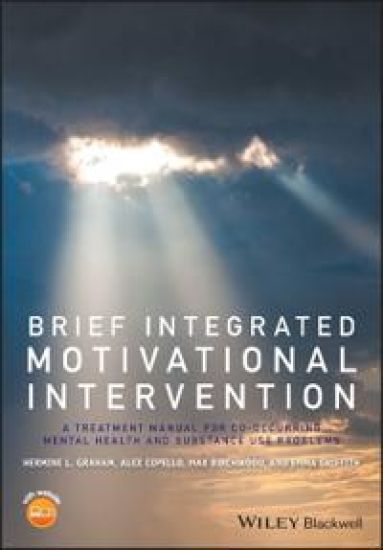
BRIEF INTEGRATED MOTIVATIONAL INTERVENTION BRIEF INTEGRATED MOTIVATIONAL INTERVENTION A TREATMENT MANUAL FOR CO-OCCURRING MENTAL HEALTH AND SUBSTANCE USE PROBLEMS Brief Integrated Motivational Intervention provides clinicians and specialist practitioners with a brief, evidence-based treatment approach for motivating clients who have comorbid mental health and alcohol and drug misuse issues. Developed by an expert team with many years of research and practice experience in the fields of psychosis and addiction, this approach combines cognitive behavioural therapy (CBT), motivational interviewing, and the authors’ own cognitive-behavioural integrated treatment (C-BIT). It allows practitioners to engage clients in meaningful dialogue for change during short windows of opportunity following relapses or admittance to psychiatric hospital, and helps clients consider the impact of substance misuse on their mental health. Easy to understand and implement, this guide also includes helpful tools for practitioners, such as session-specific content, illustrative case material, easy-to-use worksheets, and additional information for family members and friends.
Cognitive-Behavioural Integrated Treatment (C-BIT)

Cognitive-Behavioural Integrated Treatment (C-BIT)

Hermine L. Graham

John Wiley Sons Inc
2003
nidottu
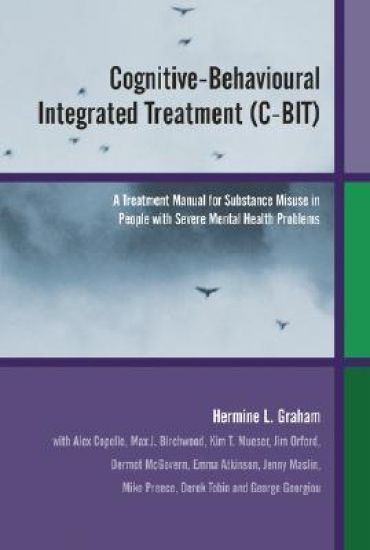
How do you engage a reluctant client in discussing alcohol/drug use and build motivation for change? Hermine L. Graham and her team of co-authors have specifically developed this treatment manual for clinicians and therapists who work with clients presenting with co-existing severe mental health and substance misuse problems. Cognitive-Behavioural Integrated Treatment(C-BIT) provides a framework that is structured but flexible, assisting clinicians to initially engage with clients and collaboratively tackle alcohol and drug problems in the context of the client’s mental health difficulties. The book is set out in three parts: Part I sets the scene by outlining some of the background issues concerning co-existing substance use and mental health problems. Part II is a step-by-step manual and will guide you through the C-BIT approach, with practical strategies on how to deliver integrated interventions appropriate to your client’s stage of engagement with you. Part III addresses some of the key issues involved in the process of implementing integrated treatment. It highlights some of the implementation obstacles that can often arise during the developmental stages, with suggested strategies to address these issues. Each Part has supporting worksheets clearly displayed in the Appendices. This essential resource and handbook will be invaluable for clinicians, students, researchers, managers and health purchasers/providers in mental health and substance misuse settings.
Cognitive-Behavioural Integrated Treatment (C-BIT)

Cognitive-Behavioural Integrated Treatment (C-BIT)

Hermine L. Graham

John Wiley Sons Inc
2003
sidottu
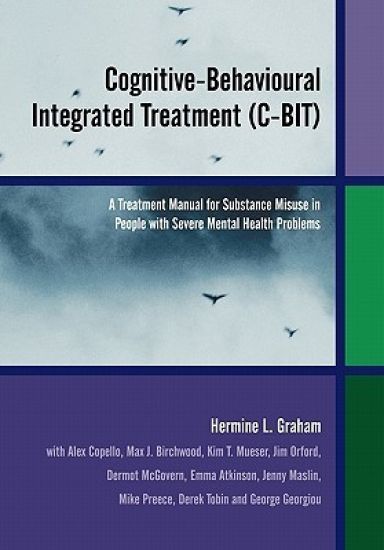
How do you engage a reluctant client in discussing alcohol/drug use and build motivation for change? Hermine L. Graham and her team of co-authors have specifically developed this treatment manual for clinicians and therapists who work with clients presenting with co-existing severe mental health and substance misuse problems. Cognitive-Behavioural Integrated Treatment(C-BIT) provides a framework that is structured but flexible, assisting clinicians to initially engage with clients and collaboratively tackle alcohol and drug problems in the context of the client’s mental health difficulties. The book is set out in three parts: Part I sets the scene by outlining some of the background issues concerning co-existing substance use and mental health problems. Part II is a step-by-step manual and will guide you through the C-BIT approach, with practical strategies on how to deliver integrated interventions appropriate to your client’s stage of engagement with you. Part III addresses some of the key issues involved in the process of implementing integrated treatment. It highlights some of the implementation obstacles that can often arise during the developmental stages, with suggested strategies to address these issues. Each Part has supporting worksheets clearly displayed in the Appendices. This essential resource and handbook will be invaluable for clinicians, students, researchers, managers and health purchasers/providers in mental health and substance misuse settings.