
Kirjailija
Heta Pyrhönen
Kirjat ja teokset yhdessä paikassa: 5 kirjaa, julkaisuja vuosilta 1999–2020, suosituimpiin kuuluu Mayhem and Murder. Vertaile teosten hintoja ja tarkista saatavuus suomalaisista kirjakaupoista.
5 kirjaa
Kirjojen julkaisuvuodet: 1999–2020.
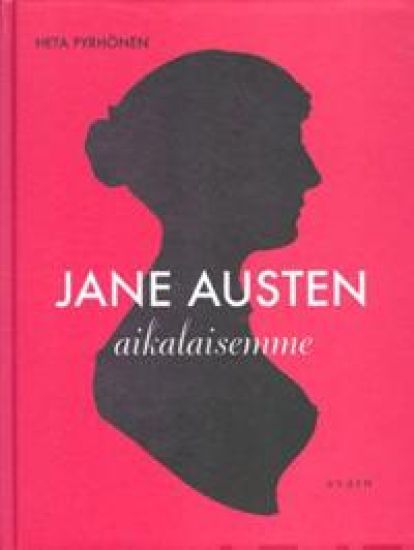
Jane Austen, aikalainen tarkastelee Jane Austenin tuotantoa romaani romaanilta. Austenin uskottavat ja psykologisesti oivaltavat henkilöhahmot ovat kautta aikojen puhutelleet suurta lukijakuntaa. Kirjailijan romaaneja tarkastellaan päähenkilöiden kohtaamien haasteiden ja yhteisön ristiriitojen kautta. Teoksessa tarkastellaan myös Austenin asemaa oman aikamme populaarikulttuurissa ja esitellään eri medioissa julkaistujen versioiden kirjoa sekä pohditaan Austenin teosten suhdetta nykyajan rakkauskäsityksiin. Näin päästään käsiksi Austenin merkitykseen omalle ajallemme. Kuvitettu.
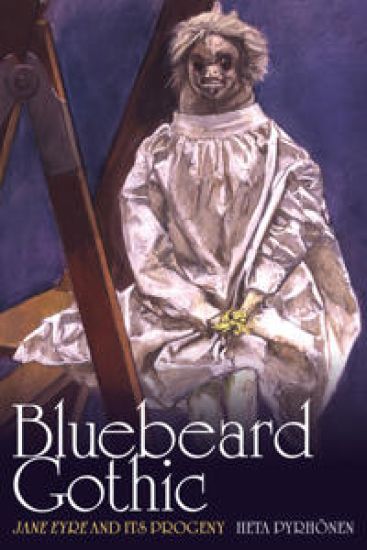
'Bluebeard,' the tale of a sadistic husband who murders his wives and locks away their bodies, has inspired hundreds of adaptations since it first appeared in 1697. In Bluebeard Gothic, Heta Pyrhönen argues that Charlotte Brontë's 1847 classic Jane Eyre can be seen as one such adaptation, and that although critics have been slow to realize the connection, authors rewriting Brontë's novel have either intuitively or intentionally seized on it. Pyrhönen begins by establishing that the story of Jane Eyre is intermingled with the 'Bluebeard' tale, as young Jane moves between households, each dominated by its own Bluebeard figure. She then considers rewritings of Jane Eyre, such as Jean Rhys' Wide Sargasso Sea (1966) and Diane Setterfield's The Thirteenth Tale (2006), to examine how novelists have interpreted the status and meaning of 'Bluebeard' in Brontë's novel. Using psychoanalysis as the primary model of textual analysis, Bluebeard Gothic focuses on the conjunction of religion, sacrifice, and scapegoating to provide an original interpretation of a canonical and frequently-studied text.
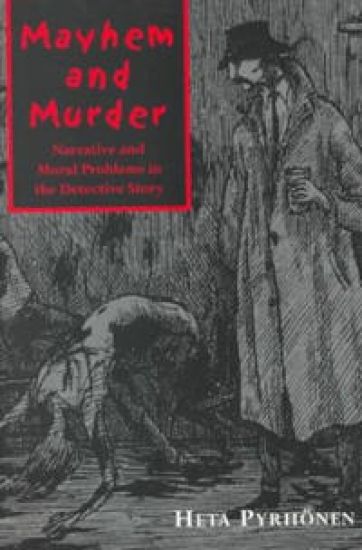
The detective story centres on unravelling two questions: whodunit? and who is guilty? In Murder and Mayhem, Heta Pyrhönen examines how these questions organize and pattern the genre's formal and thematic structures. Beginning with a semiotic reading of the detective as both code-breaker and sign-reader, Pyrhönen's theoretical analysis then situates the reader and the detective in parallel worlds - both use the detective genre's typical motifs in solving the crime, but do not employ the same narrative interpretations to do so. This difference is examined with the help of the familiar game analogy: while the fictional world of the criminal functions as the detective's antagonist, readers see both the detective and the criminal as the fictional masks behind which their own adversary, the author, is hiding. The reading of detective stories as complex interpretative games reveals how the genre engages the reader's formal imagination and moral judgment. Discussing a range of detective stories from works by Conan Doyle and Chesterton to Borges and Rendell, and drawing on the work of major critics - including Dennis Porter, Umberto Eco, John T. Irwin, and Slavoj Žižek - Pyrhönen offers a unique, sophisticated, and engagingly lucid analysis of a complex genre.