
Kirjojen hintavertailu – 12 859 819 kirjaa ja 27 kauppaa

Kirjailija

Heywood Mark

Kirjat ja teokset yhdessä paikassa: 2 kirjaa, julkaisuja vuosilta 2010–2015, suosituimpiin kuuluu Capitalism’s Crises. Vertaile teosten hintoja ja tarkista saatavuus suomalaisista kirjakaupoista.

2 kirjaa

Kirjojen julkaisuvuodet: 2010–2015.

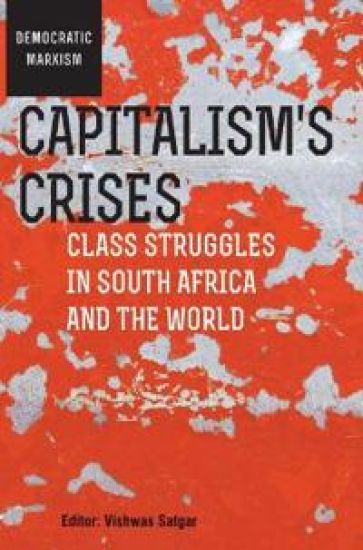
Capitalism’s Crises

Capitalism’s Crises

Satgar Vishwas; Carroll William K.; Leah Hunt-Hendrix; Isham Christie; Bieler Andreas; Jamie Jordan; Wainwright Hilary; Saad-Filho Alfredo; Sumsngala Damodaran; Niall Reddy; Heywood Mark

Wits University Press
2015
nidottu
The contributors to this volume draw on a non-dogmatic Marxist approach to explain the systemic and conjunctural dynamics of crisis inherent in global capitalism. Their analysis asks what is historically specific to capitalism’s crises while avoiding catastrophic or defeatist claims. At the same time the volume situates left agency within actual patterns of resistance and class struggle to clarify the potential for transformative change. The cycle of resistance strengthened by the World social Forum and transnational activism is now punctuated by the experience of the Arab spring, the agency of antisystemic movements, left think tanks, the Occupy Wall street Movement, labour unions, left parties in europe such as syrizia and Podemos and peoples’ budgeting in Kerala, india. On the down side we are witnessing the waning of the Workers Party in Brazil and serious challenges for south Africa’s once powerful labour movement and still formative social justice activism. All these developments are assessed in this volume. This is the second volume in the Democratic Marxism series. it elaborates on crucial themes introduced in the first volume, Marxisms in the 21st Century: Crisis, Critique and Struggle (edited by Michelle Williams and vishwas satgar).
Mbeki and After

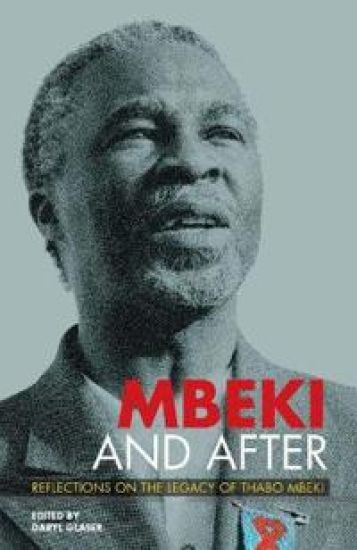
Mbeki and After

Calland Richard; Jane Duncan; Friedman Steven; Gevisser Mark; Glaser Daryl; Heywood Mark; Peter Hudson; Chris Landsberg; McKaiser Eusebius; Chris Oxtoby; Vale Peter

Wits University Press
2010
nidottu
For nearly ten years - indeed more if we include his period of influence under Mandela's presidency - Thabo Mbeki bestrode South Africa's political stage. Despite attempts by some in the new ANC leadership to airbrush out his role, there can be little doubt that Mbeki was a seminal figure in South Africa's new democracy, one who left a huge mark in many fields, perhaps most controversially in state and party management, economic policy, public health intervention, foreign affairs and race relations. If we wish to understand the character and fate of post-1994 South Africa, we must therefore ask: What kind of political system, economy and society has the former President bequeathed to the government of Jacob Zuma and to the citizens of South Africa generally? This Question is addressed head-on here by a diverse range of analysts, commentators and participants in the political process. Amongst the specific questions they seek to answer: What is Mbeki's legacy for patterns of inclusion and exclusion based on race, class and gender? How, if at all, did his presidency reshape relations within the state, between the state and the ruling party and between the state and society? How did he reposition South Africa on the continent and in the world? This book will be of interest to anyone wishing to understand the current political landscape in South Africa, and Mbeki's role in shaping it.