Kirjojen hintavertailu – 12 903 725 kirjaa ja 27 kauppaa

Kirjailija

Hilary Janks

Kirjat ja teokset yhdessä paikassa: 4 kirjaa, julkaisuja vuosilta 2009–2013, suosituimpiin kuuluu Literacy and Power. Vertaile teosten hintoja ja tarkista saatavuus suomalaisista kirjakaupoista.

4 kirjaa

Kirjojen julkaisuvuodet: 2009–2013.

Doing Critical Literacy

Doing Critical Literacy

Hilary Janks; Kerryn Dixon; Ana Ferreira; Stella Granville; Denise Newfield

Routledge
2013
sidottu
Compelling and highly engaging, this text shows teachers at all levels how to do critical literacy in the classroom and provides models for practice that can be adapted to any context. Integrating social theory and classroom practice, it brings critical literacy to life as a socio-cultural orientation to the teaching of literacy that takes seriously the relationship between language and power and orients readers to the social effects of texts. Students and teachers are drawn into the key questions critical readers need to pose of texts: Whose interests are served, who benefits, who is disadvantaged; who is included and who is excluded? The practical activities help readers grasp complex issues. Extending the theoretical framework in Hilary Janks’ Literacy and Power with a rich range of completely new, up-to-date activities that translate theory into practice, Doing Critical Literacy is powerful, relevant, and useful for both pre- and in-service teacher education and for use in schools.
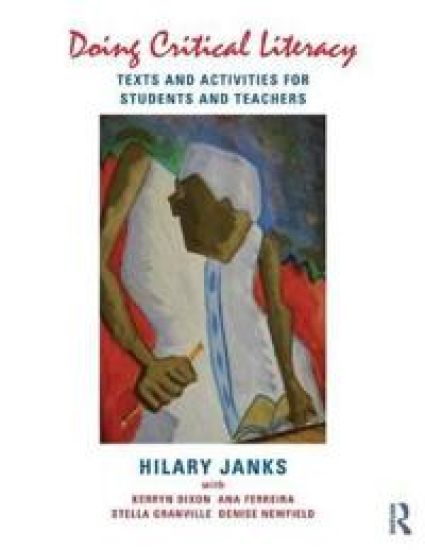
Doing Critical Literacy

Doing Critical Literacy

Hilary Janks; Kerryn Dixon; Ana Ferreira; Stella Granville; Denise Newfield

Routledge
2013
nidottu

Halvin toimitettuna 92,50 €

Compelling and highly engaging, this text shows teachers at all levels how to do critical literacy in the classroom and provides models for practice that can be adapted to any context. Integrating social theory and classroom practice, it brings critical literacy to life as a socio-cultural orientation to the teaching of literacy that takes seriously the relationship between language and power and orients readers to the social effects of texts. Students and teachers are drawn into the key questions critical readers need to pose of texts: Whose interests are served, who benefits, who is disadvantaged; who is included and who is excluded? The practical activities help readers grasp complex issues. Extending the theoretical framework in Hilary Janks’ Literacy and Power with a rich range of completely new, up-to-date activities that translate theory into practice, Doing Critical Literacy is powerful, relevant, and useful for both pre- and in-service teacher education and for use in schools.

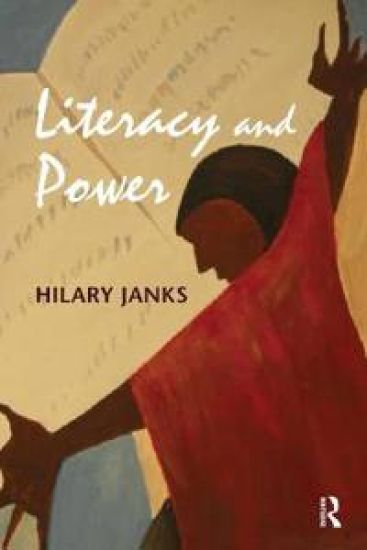
Literacy and Power

Literacy and Power

Hilary Janks

Routledge Member of the Taylor and Francis Group
2009
sidottu
Hilary Janks addresses key questions about literacy and power in this landmark text that is both engaging and accessible. Her central argument is that competing orientations to critical literacy education - domination (power), access, diversity, design - foreground one over the other, but are crucially interdependent and need to work together to create possibilities for redesign and social action that serve a social justice agenda. She examines the theory underpinning each orientation, and develops new theory in the argument for interdependence and integration. Sitting at the interface between theory and practice, constantly moving from one to the other, the text is rich with examples of how to use these orientations in real teaching contexts, and how to use them to counterbalance one another. In the groundbreaking final chapter Janks considers how the rationalist underpinning of critical literacy tends to exclude the non-rational shows ways of working ‘beyond reason’ - pleasure and play, desire and the unconscious - and makes the case that these need to be taken seriously given their power to cut across the work of critical literacy educators working from any orientation.
Literacy and Power

Literacy and Power

Hilary Janks

Routledge
2009
nidottu

Halvin toimitettuna 67,40 €

Hilary Janks addresses key questions about literacy and power in this landmark text that is both engaging and accessible. Her central argument is that competing orientations to critical literacy education - domination (power), access, diversity, design - foreground one over the other, but are crucially interdependent and need to work together to create possibilities for redesign and social action that serve a social justice agenda. She examines the theory underpinning each orientation, and develops new theory in the argument for interdependence and integration. Sitting at the interface between theory and practice, constantly moving from one to the other, the text is rich with examples of how to use these orientations in real teaching contexts, and how to use them to counterbalance one another. In the groundbreaking final chapter Janks considers how the rationalist underpinning of critical literacy tends to exclude the non-rational shows ways of working ‘beyond reason’ - pleasure and play, desire and the unconscious - and makes the case that these need to be taken seriously given their power to cut across the work of critical literacy educators working from any orientation.