
Kirjojen hintavertailu – 12 903 735 kirjaa ja 27 kauppaa

Kirjailija

Holly Shaffer

Kirjat ja teokset yhdessä paikassa: 2 kirjaa, julkaisuja vuosilta 2022–2024, suosituimpiin kuuluu Dayanita Singh: Pothi Khana. Vertaile teosten hintoja ja tarkista saatavuus suomalaisista kirjakaupoista.

2 kirjaa

Kirjojen julkaisuvuodet: 2022–2024.

Dayanita Singh: Pothi Khana

Dayanita Singh: Pothi Khana

Holly Shaffer; Urs Stahel; Dayanita Singh

STEIDL PUBLISHERS
2024
sidottu
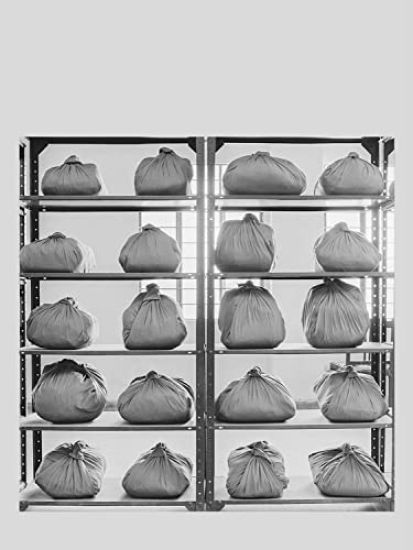
A photobook archive of archives, from rarely seen collections throughout IndiaThe archive has long been an obsession for Dayanita Singh (born 1961)--both literal archives, treasuries of objects chosen with care and preserved against time, and the photobook as a moveable archive which the viewer can revisit and display at will. In Pothi Khana (Hindi for "archive room"), Singh presents photographs of India's seemingly endless private and public archives: shelf after shelf of bundles wrapped and knotted in pieces of cloth once colorful but now almost white with age. The documents within these bundles remain known only to the archivists who are curiously absent in Singh's images, their presence implied from the spaces they normally inhabit: chairs, desks, doorways, halls. Originally exhibited in 2018 at the 57th Carnegie International as a group of modular, pillarlike wooden structures whose photographs could be endlessly resequenced, Singh now transforms the mobile sensibility of Pothi Khana into this volume, which she sees as a compendium to 2013's File Room.
Grafted Arts

Grafted Arts

Holly Shaffer

Paul Mellon Centre for Studies in British Art
2022
sidottu
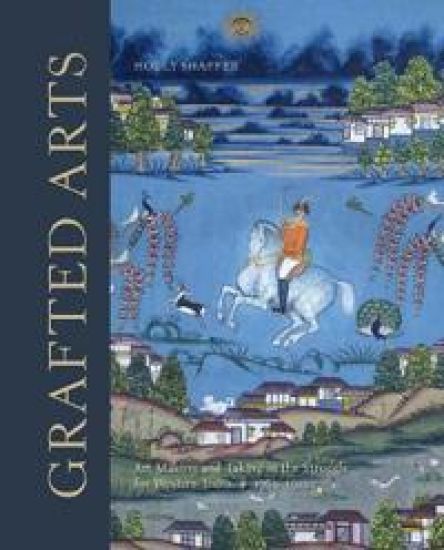
Conceptualizes “graft”— the violent and creative processes of suturing arts as a method of empire building in western eighteenth-century IndiaGrafted Arts focuses on Maratha military rulers and British East India Company officials who used the arts to engage in diplomacy, wage war, compete for prestige, and generate devotion as they allied with (or fought against) each other to control western India in the eighteenth century. This book conceptualizes the artistic combinations that resulted as ones of “graft”—a term that acknowledges the violent and creative processes of suturing arts, and losing and gaining goods, as well as the shifting dynamics among agents who assembled such materials. By tracing grafted arts from multiple perspectives—Maratha and British, artist and patron, soldier and collector—this book charts the methods of empire-building that recast artistic production and collection in western India and from there across India and in Britain. This mercenary method of artistry propagated mixed, fractured, and plundered arts. Indeed, these “grafted arts”—disseminated across India and Britain over the nineteenth century to aid in consolidating empire or revolting against it entirely—remain instigators of nationalist agitation today. Distributed for the Paul Mellon Centre for Studies in British Art