Kirjojen hintavertailu – 12 903 735 kirjaa ja 27 kauppaa
Kirjailija
Hong Lu
Kirjat ja teokset yhdessä paikassa: 7 kirjaa, julkaisuja vuosilta 2004–2023, suosituimpiin kuuluu ??????. Vertaile teosten hintoja ja tarkista saatavuus suomalaisista kirjakaupoista.
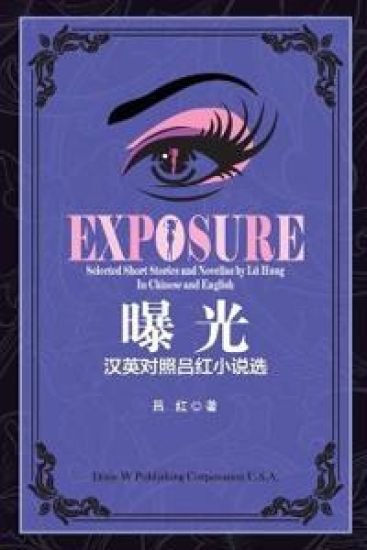
As the modern internet develops, particularly in the transition from the old to the new. In a male dominated intensive competition society, and the Eastern and western civilizations infiltration, women are in social transformation and their status is changing. They are struggling in different Kinds of desires of sexual and love embarrassment. They love is not all for love. For the territorial absurd world and has an invisible spiritual aspect on it.
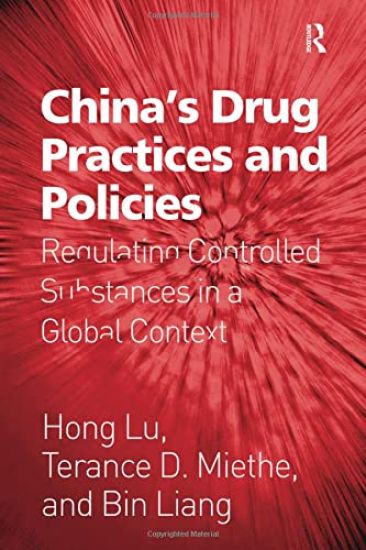
In the context of global efforts to control the production, distribution and use of narcotic drugs, China's treatment of the problem provides an important means of understanding the social, political, and economic limits of national and international policies to regulate drug practices. In the nineteenth and early twentieth centuries, China was known for its national addiction to opium, but its drug-eradication campaigns from the 1950s to the 1970s achieved unprecedented success that ultimately transformed China into a "drug-free" society. However, since the economic reforms and open-door policy of the late twentieth century, China is now facing a re-emergence of the production, use and trafficking of narcotic drugs. Employing case studies and a comparative historical approach, and drawing on a variety of data sources including historical records, official crime data only recently made available, and news reports, this book is the first English-language publication to provide such a comprehensive documentation and analysis of the nature of China's legal regulation of controlled substances. The authors also offer theoretical approaches for studying drug regulation, aspects of drug consumption cultures, the socio-political treatment of drugs during various historical periods and ongoing efforts to legislate drug trade, criminalize drug use and manage the drug addict population within national and international contexts.
In the context of global efforts to control the production, distribution and use of narcotic drugs, China's treatment of the problem provides an important means of understanding the social, political, and economic limits of national and international policies to regulate drug practices. In the nineteenth and early twentieth centuries, China was known for its national addiction to opium, but its drug-eradication campaigns from the 1950s to the 1970s achieved unprecedented success that ultimately transformed China into a "drug-free" society. However, since the economic reforms and open-door policy of the late twentieth century, China is now facing a re-emergence of the production, use and trafficking of narcotic drugs. Employing case studies and a comparative historical approach, and drawing on a variety of data sources including historical records, official crime data only recently made available, and news reports, this book is the first English-language publication to provide such a comprehensive documentation and analysis of the nature of China's legal regulation of controlled substances. The authors also offer theoretical approaches for studying drug regulation, aspects of drug consumption cultures, the socio-political treatment of drugs during various historical periods and ongoing efforts to legislate drug trade, criminalize drug use and manage the drug addict population within national and international contexts.
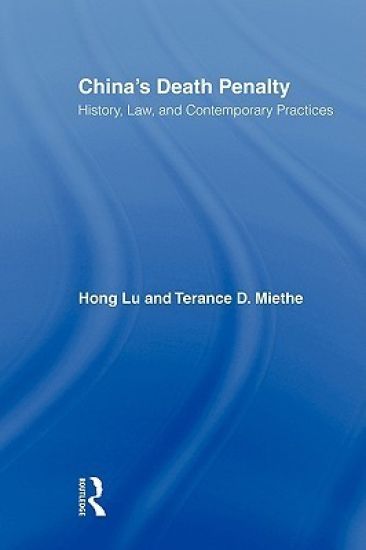
By all accounts, China is the world leader in the number of legal executions. Its long historical use of capital punishment and its major political and economic changes over time are social facts that make China an ideal context for a case study of the death penalty in law and practice. This book examines the death penalty within the changing socio-political context of China. The authors'treatment of China' death penalty is legal, historical, and comparative. In particular, they examine; the substantive and procedures laws surrounding capital punishment in different historical periodsthe purposes and functions of capital punishment in China in various dynastieschanges in the method of imposition and relative prevalence of capital punishment over timethe socio-demographic profile of the executed and their crimes over the last two decades and comparative practices in other countries. Their analyses of the death penalty in contemporary China focus on both its theory - how it should be done in law - and actual practice - based on available secondary reports/sources.
By all accounts, China is the world leader in the number of legal executions. Its long historical use of capital punishment and its major political and economic changes over time are social facts that make China an ideal context for a case study of the death penalty in law and practice. This book examines the death penalty within the changing socio-political context of China. The authors'treatment of China' death penalty is legal, historical, and comparative. In particular, they examine; the substantive and procedures laws surrounding capital punishment in different historical periodsthe purposes and functions of capital punishment in China in various dynastieschanges in the method of imposition and relative prevalence of capital punishment over timethe socio-demographic profile of the executed and their crimes over the last two decades and comparative practices in other countries. Their analyses of the death penalty in contemporary China focus on both its theory - how it should be done in law - and actual practice - based on available secondary reports/sources.
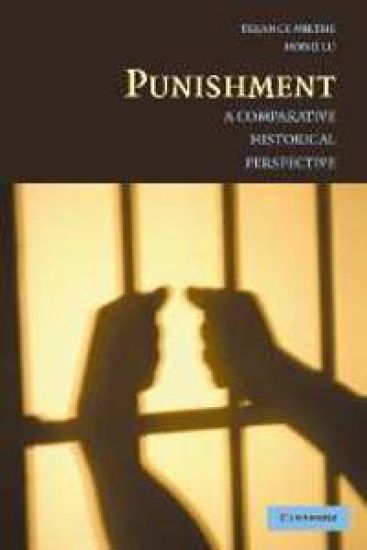
Punishment is the common response to crime and deviance in all societies. However, its particular form and purpose are also linked to specific features of the structure of these societies at a particular time and place. Through a comparative historical analysis of punishment, this book is designed to identify and examine the sources of similarity and differences in types of economic punishments, incapacitation devices and structures, and lethal and non-lethal forms of corporal punishment over time and place. We will look closely at punishment responses to crime and deviance across different regions of the world and in specific countries like the United States, China, and Saudi Arabia. It is hoped that the reader will gain an appreciation for both the universal and context-specific nature of punishment and its use for purposes of social control, social change, and the elimination of threat to the prevailing authorities.