Kirjojen hintavertailu – 12 903 724 kirjaa ja 27 kauppaa

Kirjailija

Howard Mills

Kirjat ja teokset yhdessä paikassa: 7 kirjaa, julkaisuja vuosilta 1988–2017, suosituimpiin kuuluu D.H. Lawrence's Non-Fiction Art, Thought, and Genre. Vertaile teosten hintoja ja tarkista saatavuus suomalaisista kirjakaupoista.

7 kirjaa

Kirjojen julkaisuvuodet: 1988–2017.

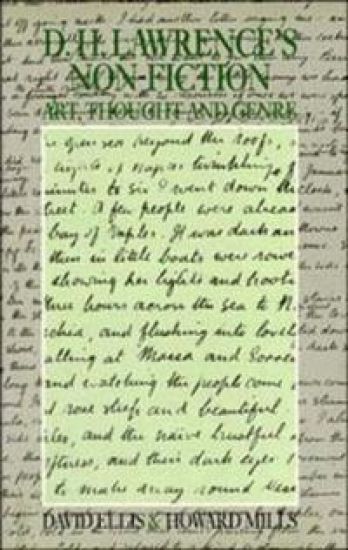
D.H. Lawrence's Non-Fiction Art, Thought, and Genre

D.H. Lawrence's Non-Fiction Art, Thought, and Genre

David Ellis; Howard Mills

Cambridge University Press
1988
sidottu
This is the first book devoted entirely to Lawrence's nonfictional writings. It focuses on a selection of representative texts, each of which is placed in an appropriate literary or historical context. These include the 'Study of Thomas Hardy', the two books about the Unconscious, the travel-writing - primarily Twilight in Italy and Sea and Sardinia - the largely autobiographical 'Introduction to Memoirs of the Foreign Legion by M. M' and the late 'thoughts in verse' called Pansies. David Ellis and Howard Mills challenge the automatic relegation to secondary status suffered by these works in the past and suggest a radical reassessment of Lawrence's literary profile of how his writings relate to one another and of where his greatest power and originality lie.

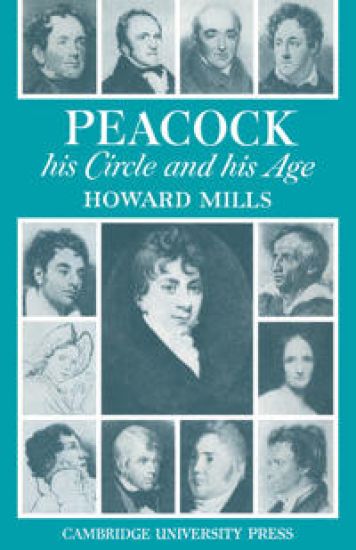
Peacock

Peacock

Howard Mills

Cambridge University Press
2010
pokkari
Thomas Love Peacock, 1785–1866, is known as the author of half a dozen brief satiric 'novels' which caricature men and movements of the early nineteenth century. Dr Mills' critical study treats Peacock as a man who was particularly alive to the important literary development and the general movements of thought in his time. The main contention in this book is that in the Regency period Peacock suddenly became more than the conventional minor writer he had been. There is also a detailed critique of Peacock's novels, and a study of his neglected music criticism. The whole book amounts to an in depth treatment of the literary and intellectual life of the Regency period considered as a time when old tastes and ideas were giving way to new. Peacock's mixture of scepticism and intelligent sympathy gives him an important place as reporter and critic.