Kirjojen hintavertailu – 12 903 725 kirjaa ja 27 kauppaa

Kirjailija

Howard N. Shapiro

Kirjat ja teokset yhdessä paikassa: 3 kirjaa, julkaisuja vuosilta 2003–2020, suosituimpiin kuuluu Introduction to Thermal Systems Engineering. Vertaile teosten hintoja ja tarkista saatavuus suomalaisista kirjakaupoista.

3 kirjaa

Kirjojen julkaisuvuodet: 2003–2020.

Introduction to Thermal Systems Engineering

Introduction to Thermal Systems Engineering

Michael J. Moran; Howard N. Shapiro; Bruce R. Munson; David P. DeWitt

John Wiley Sons Inc
2003
muu
From the leading authors in the field, Michael Moran, Howard Shapiro, Bruce Munson, and David DeWitt, comes an integrated introductory presentation of thermodynamics, fluid mechanics, and heat transfer. The unifying theme is the application of these priciples in thermal systems engineering. Responding to pressures to reduce credit hours in the curriculum and to ABET-inspired objectives for more integrated treatment of engineering topics, this text surveys the field of thermal sciences with an emphasis on applications to thermal systems engineering. The authors have identified the critical subject areas needed for analysis of thermal systems, and provided them in a text of manageable size. A flexible organization gives instructors choices in the coverage they provide their students.

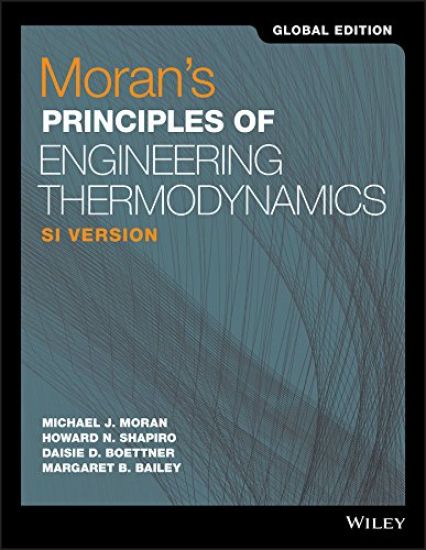
Moran's Principles of Engineering Thermodynamics, SI Version, Global Edition

Moran's Principles of Engineering Thermodynamics, SI Version, Global Edition

Michael J. Moran; Howard N. Shapiro; Daisie D. Boettner; Margaret B. Bailey

John Wiley Sons Inc
2018
nidottu

Halvin toimitettuna 67,10 €

Moran’s Principles of Engineering Thermodynamics, SI Version, continues to offer a comprehensive and rigorous treatment of classical thermodynamics, while retaining an engineering perspective. With concise, applications-oriented discussion of topics and self-test problems, this book encourages students to monitor their own learning. This classic text provides a solid foundation for subsequent studies in fields such as fluid mechanics, heat transfer and statistical thermodynamics, and prepares students to effectively apply thermodynamics in the practice of engineering. This edition is revised with additional examples and end-of-chapter problems to increase student comprehension.