Kirjojen hintavertailu – 12 859 818 kirjaa ja 27 kauppaa

Kirjailija

Howard Reich

Kirjat ja teokset yhdessä paikassa: 8 kirjaa, julkaisuja vuosilta 2004–2026, suosituimpiin kuuluu The Majesty of Chicago Jazz: Twenty-Five Visionaries Who Define the City's Sound. Vertaile teosten hintoja ja tarkista saatavuus suomalaisista kirjakaupoista.

8 kirjaa

Kirjojen julkaisuvuodet: 2004–2026.

The Majesty of Chicago Jazz: Twenty-Five Visionaries Who Define the City's Sound
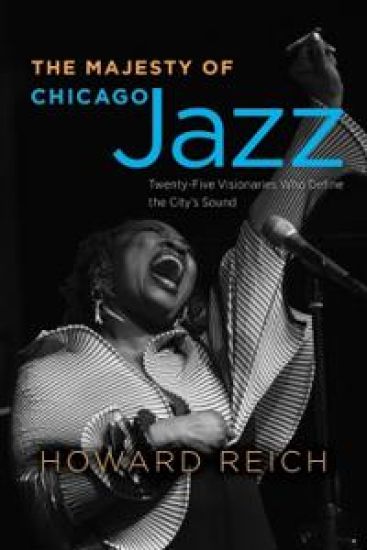
The first book to trace the vast influence of Chicago jazz from its origins to today--from Louis Armstrong and Jelly Roll Morton to Anita O'Day, Herbie Hancock, and the AACM. Author and Chicago native Howard Reich gives readers a front-row seat to the history of Chicago jazz as it roared forth in jazz clubs, concert halls, and festivals. Reich covered Chicago jazz for more than thirty years as the Chicago Tribune's staff critic, and in this collection, he argues that jazz as an art form is inconceivable without Chicago. Carefully choosing from among his thousands of articles on jazz, Reich highlights twenty-five of the most important Chicago jazz artists who pushed the art form forward. The Majesty of Chicago Jazz begins with two New Orleans visionaries who achieved their artistic pinnacles in Chicago in the Roaring Twenties: Jelly Roll Morton and Louis Armstrong. In the decades that followed, Chicago produced an uninterrupted line of innovators: revolutionaries Ahmad Jamal and Sun Ra, iconoclasts Von Freeman and Fred Anderson, populists Herbie Hancock and Ramsey Lewis, chameleons Patricia Barber and Kurt Elling, and the breakthrough band of the Association for the Advancement of Creative Musicians (AACM), among others. Reich offers two pieces on each of the book's twenty-five visionaries, including profiles, reviews, appreciations, and obituaries. The book concludes with a beginner-friendly discography, perfect for those looking to listen along. The Majesty of Chicago Jazz is captivating for jazz newcomers and aficionados alike--all are guaranteed to learn something surprising here. With a musician's ear and a journalist's expertise, Reich offers listeners a valuable guide to the groundbreaking jazz that has come out of Chicago, a city that remains a fertile breeding ground for musical experimentation.
The Art of Inventing Hope

The Art of Inventing Hope

Howard Reich

Chicago Review Press
2019
sidottu
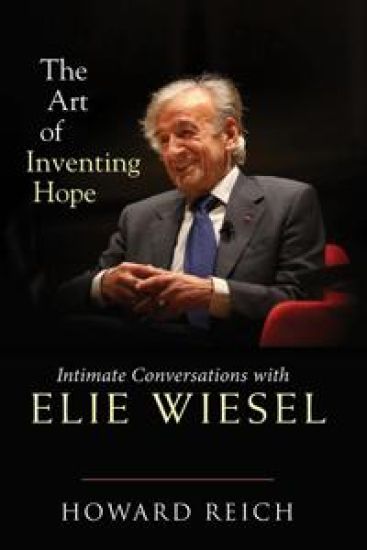
The Art of Inventing Hope offers an unprecedented, in-depth conversation between the world’s most revered Holocaust survivor, Elie Wiesel, and a son of survivors, Howard Reich. During the last four years of Wiesel’s life, he met frequently with Reich in New York, Chicago and Florida—and spoke with him often on the phone—to discuss the subject that linked them: Reich’s father, Robert Reich, and Wiesel were both liberated from the Buchenwald death camp on April 11, 1945. What had started as an interview assignment from the Chicago Tribune quickly evolved into a friendship and a partnership. Reich and Wiesel believed their colloquy represented a unique exchange between two generations deeply affected by a cataclysmic event. Wiesel said to Reich, “I’ve never done anything like this before,” and after reading the final book, asked him not to change a word. Here Wiesel—at the end of his life—looks back on his ideas and writings on the Holocaust, synthesizing them in his conversations with Reich. The insights on life, ethics, and memory that Wiesel offers and Reich illuminates will not only help the children and grandchildren of Holocaust survivors understand their painful inheritance, but will benefit everyone, young or old.
The Art of Inventing Hope: Intimate Conversations with Elie Wiesel
The Art of Inventing Hope offers an unprecedented, in-depth conversation between the world's most revered Holocaust survivor, Elie Wiesel, and a son of survivors, Howard Reich. During the last four years of Wiesel's life, he met frequently with Reich in New York, Chicago, and Florida-and spoke often on the phone-to discuss the subject that linked them: both Wiesel and Reich's father, Robert Reich, were liberated from Buchenwald death camp on April 11, 1945. What had started as an interview assignment from the Chicago Tribune quickly evolved into a friendship and a partnership. Reich and Wiesel believed their colloquy represented a unique exchange between two generations deeply affected by a cataclysmic event. Wiesel said to Reich, I've never done anything like this before. Here Wiesel-at the end of his life-looks back on his ideas and writings on the Holocaust, synthesizing them in his conversations with Reich. The insights that Wiesel offered and Reich illuminates can help the children and grandchildren of Holocaust survivors understand their painful inheritance, while inviting everyone else to partake of Wiesel's wisdom on life, ethics, and morality.
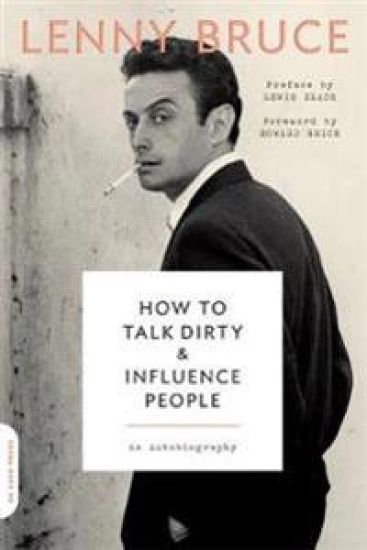
How to Talk Dirty and Influence People

How to Talk Dirty and Influence People

Lewis Black; Lenny Bruce; Howard Reich

Da Capo Press Inc
2016
pokkari

Halvin toimitettuna 20,90 €

During the course of a career that began in the late 1940s, Lenny Bruce challenged the sanctity of organized religion and other societal and political conventions he widened the boundaries of free speech. Critic Ralph Gleason said, So many taboos have been lifted and so many comics have rushed through the doors Lenny opened. He utterly changed the world of comedy." Although Bruce died when he was only forty, his influence on the worlds of comedy, jazz, and satire are incalculable. How to Talk Dirty and Influence People remains a brilliant existential account of his life and the forces that made him the most important and controversial entertainer in history.
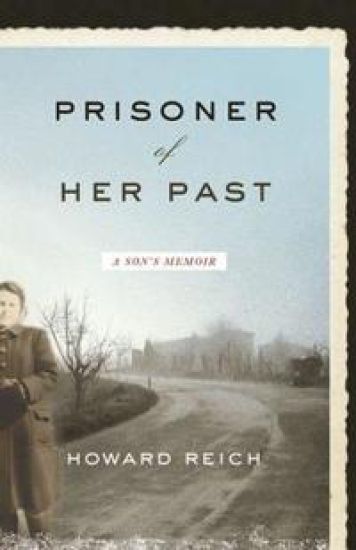
Prisoner of Her Past

Prisoner of Her Past

Howard Reich

Northwestern University Press
2011
nidottu
Howard Reich has written a moving memoir about growing up as the child of Holocaust survivors and finding refuge from silence and fear in the world of jazz. It is only when his mother’s memories overwhelm her and Howard begins to piece together her story that he comes to understand how his parents’ lives shaped his own.
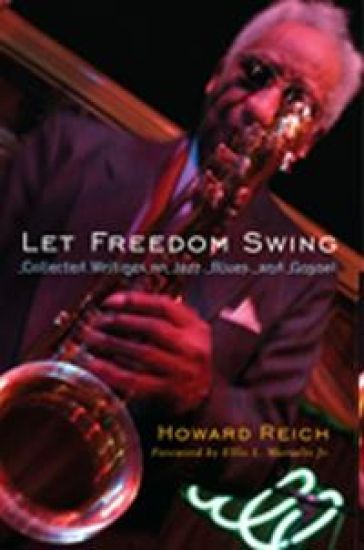
Let Freedom Swing

Let Freedom Swing

Howard Reich; Ellis L. Marsalis

Northwestern University Press
2010
nidottu
A swing note is, to the listener of the rhythm, an unexpected note, and it is the spark of life in jazz and its relatives. Whether playing the standards or the most experimental piece, it is how a musician handles these notes—fearlessly or safely—that determines the fate of the performance. Howard Reich’s critical writing is similarly unexpected and fearless, and Let Freedom Swing is a collection of the articles from the past three decades that best capture this spirit. Each section of Let Freedom Swing composes a suite, focusing on either a person, place, or scene. Reich gives new life to the standards with his profiles and elegies for such giants as Gershwin, Ellington, and Sinatra. A profile of Louis Armstrong brings out the often angry side of Satchmo but also reveals a more remarkable musician and human being. His open-mindedness makes Reich a particularly astute observer of the experimental and new, from Ornette Coleman to Chicago experimentalist Ken Vandermark. And his observations about street music open our ears to the songs of everyday life. Reich’s fearlessness is evident in his writing about daunting subjects, such as the New Orleans music scene after Katrina, the lost legacy of jazz in Panama, and the complicated legacy of "race music" in America. Howard Reich combines a deep enthusiasm for music, a breadth of knowledge, and an ability to share his world with his readers, and Let Freedom Swing is essential reading for anyone interested in the continuing vitality of jazz, gospel, blues, and American music in general.
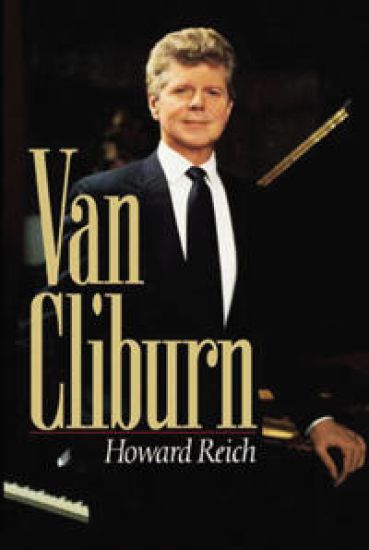
The Van Cliburn Story

The Van Cliburn Story

Howard Reich

Thomas Nelson Publishers
2008
nidottu
When a lanky, unpretentious, incredibly gifted, twenty-three-year-old Texan took Moscow by musical storm in 1958, it launched a sensational career that began at the age of thirteen and was to span over four decades. At the height of the Cold War, this friendly, open-hearted pianist enchanted the hearts of Americans and Russians alike with his playing that was more about "personal communications than exhibitionistic virtuosity." Winning the Soviet-sponsored Tchaikovsky International Piano Competition immediately thrust Van Cliburn into political as well as artistic pressures, attention, adulation, and scrutiny that might have sabotaged any young artist who lacked the confidence and conviction of Van Cliburn. In a meteoric career that made Van Cliburn a cultural hero tantamount to the Beatles, the facts became stranger than the fiction that abounded about his career that "fizzled a year or two after the Tchaikovsky competition," or about the near loss of an arm, or about his eleven-year retreat into privacy beginning in the late '70s. The myth that surrounded the name Van Cliburn in the '50s and '60s became legend with his triumphant re-entry in 1987?an event that was to epitomize the poetic nature of Van's entire life. Responding to an invitation to perform for Mikhail and Raisa Gorbachev at a state dinner, Van once again proved that music is indeed the universal language of understandng capable of uniting our diverse cultures. Bounding off the platform after his performance to kiss Nancy Reagan and Raisa Gorbachev, Van responded to Raisa's request for more music by playing the beloved Soviet song, "Moscow Nights"?the same nostalgic song he had learned and performed during his first incredible journey to Moscow in 1958. As millions of Americans watched on their television screens, the usual staid state dinner dissolved into a moving memory of Van singing along with the Gorbachevs as the whole room dissolved into tears. Russia and America joined hands and hearts in this one historical moment.
Jelly's Blues

Jelly's Blues

Howard Reich; William Gaines

Da Capo Press Inc
2004
pokkari
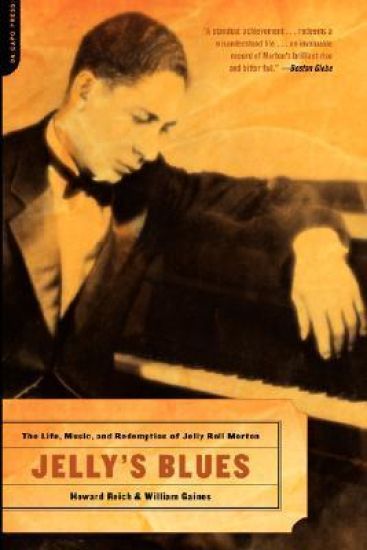
Jelly's Blues recounts the tumultuous life of Jelly Roll Morton (ca., 18851941). A virtuoso pianist with a larger-than-life personality, he composed such influential early jazz pieces as "King Porter Stomp" and "New Orleans Blues." However, by the late 1930s, he was nearly forgotten. In 1992, the death of an eccentric memorabilia collector led to the unearthing of a startling archive, revealing Morton to be a much more complex and passionate man than many realized. An especially immediate and visceral look into the jazz worlds of New Orleans and Chicago, Jelly's Blues is a definitive biography, a long overdue look at one of the twentieth century's most important composers.