Kirjojen hintavertailu – 12 903 725 kirjaa ja 27 kauppaa

Kirjailija

Hugh Hodges

Kirjat ja teokset yhdessä paikassa: 3 kirjaa, julkaisuja vuosilta 2008–2023, suosituimpiin kuuluu Soon Come. Vertaile teosten hintoja ja tarkista saatavuus suomalaisista kirjakaupoista.

3 kirjaa

Kirjojen julkaisuvuodet: 2008–2023.

The Fascist Groove Thing

The Fascist Groove Thing

Hugh Hodges; Boff Whalley

PM Press
2023
nidottu
The Fascist Groove Thing had many names: Thatcherism, monetarism, neoliberalism, individualism, militarism, nationalism, racism, and anti-unionism for a start. Popular music in Britain responded to this monster either by pretending it didn't exist or by throwing every weapon it could muster at it. This book collects five hundred interesting songs that addressed one alarming feature of Thatcher's Britain or another: the notional mixtape "Whistling in the Dark," for example, consists of songs about Thatcher's war on the trade unions; "Shopkeepers Arise " comprises songs about consumerism and the rise of so-called popular capitalism. The chapters that follow each mixtape reconstruct the arguments these songs were having with Thatcher's version of Britain (and, sometimes, with each other). The arguments are often polemical, frequently vitriolic, always riotous; they are an alternative account of the decade. This account mattered at the time because popular music said things that other media were unwilling or unable to say: when Thatcher dragged the country into a completely unnecessary war in the South Atlantic, for example, the TV news and the national newspapers dutifully cheered or kept quiet, so popular music provided a crucial national forum for critical dissent. These songs still matter today because they are a documentary record of that dissent. The Fascist Groove Thing's been running the show for forty years now, and we're forgetting that it wasn't inevitable that it should turn out this way.
Soon Come

Soon Come

Hugh Hodges

University of Virginia Press
2008
sidottu
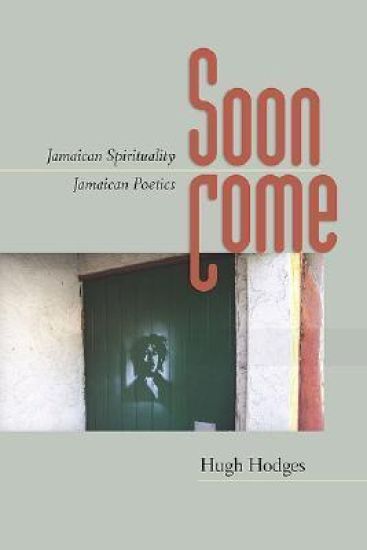
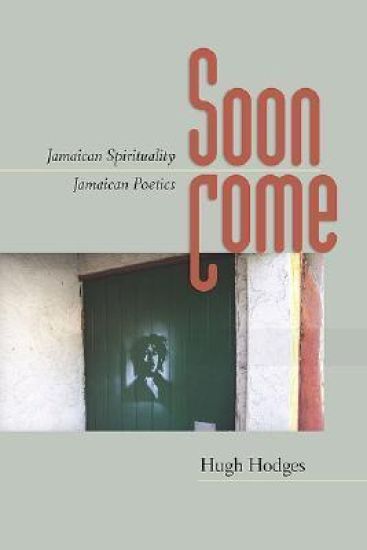
Soon Come celebrates Jamaican poetry as an expression and extension of the island's rich spiritual traditions, offering fresh insights into some of the late twentieth century's most important and influential poetry. Drawing inspiration from the history of Myal, Kumina, Revivalism, and Rastafari, Hodges develops a critical language for the discussion of a wide range of Jamaican texts, both oral and written. Beginning with traditional proverbs and Anancy stories, ""Soon Come"" explores healing rituals, possession rites, and miracles in Revival hymns; the seminal poetry of Claude McKay, Una Marson, and Louise Bennett; the Rastafari-influenced reggae of Bob Marley, Jimmy Cliff, Bunny Wailer, and Ras Michael; the dub poetry of Linton Kwesi Johnson and Mutabaruka; and the groundbreaking work of Dennis Scott, Anthony McNeill, and Lorna Goodison. What emerges is a profoundly hopeful vision of Jamaican poetry as an ongoing ritual that engenders the future even as it reimagines the past. Written in a lively, accessible style, ""Soon Come"" will appeal as much to the general reader as to the academic, to the serious Bob Marley fan as much as to the student of New World religious traditions.
Soon Come

Soon Come

Hugh Hodges

University of Virginia Press
2008
nidottu
Soon Come celebrates Jamaican poetry as an expression and extension of the island's rich spiritual traditions, offering fresh insights into some of the late twentieth century's most important and influential poetry. Drawing inspiration from the history of Myal, Kumina, Revivalism, and Rastafari, Hodges develops a critical language for the discussion of a wide range of Jamaican texts, both oral and written. Beginning with traditional proverbs and Anancy stories, ""Soon Come"" explores healing rituals, possession rites, and miracles in Revival hymns; the seminal poetry of Claude McKay, Una Marson, and Louise Bennett; the Rastafari-influenced reggae of Bob Marley, Jimmy Cliff, Bunny Wailer, and Ras Michael; the dub poetry of Linton Kwesi Johnson and Mutabaruka; and the groundbreaking work of Dennis Scott, Anthony McNeill, and Lorna Goodison. What emerges is a profoundly hopeful vision of Jamaican poetry as an ongoing ritual that engenders the future even as it reimagines the past. Written in a lively, accessible style, ""Soon Come"" will appeal as much to the general reader as to the academic, to the serious Bob Marley fan as much as to the student of New World religious traditions.