Kirjojen hintavertailu – 12 859 818 kirjaa ja 27 kauppaa

Kirjailija

Hugh Kennedy

Kirjat ja teokset yhdessä paikassa: 18 kirjaa, julkaisuja vuosilta 1996–2026, suosituimpiin kuuluu Empires of Faith. Vertaile teosten hintoja ja tarkista saatavuus suomalaisista kirjakaupoista.

18 kirjaa

Kirjojen julkaisuvuodet: 1996–2026.

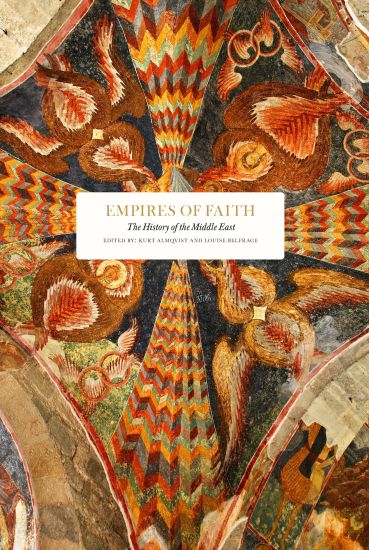
Empires of Faith

Empires of Faith

Raina Abouzeid; Jon B. Alterman; Ali M. Ansari; James Barr; Ali Fathollah-Nejad; Peter Frankopan; Chaim Gans; Amber Gartrell; Kim Ghattas; Andrew S. Gilmour; Martin Goodman; Sir John Jenkins; Halil M. Karaveli; Elisabeth Kendall; Hugh Kennedy; Stephen Kotkin; Nelly Lahoud; Göran Larsson; Gabriel Martinez-Gros; General Sir Simon Mayall; Yossef Rapoport; Mark Ronan; Stefanie Rudolf; Peter Sarris; Nathan Shachar; Brendan Simms; Selena Wisnom

Bokförlaget Stolpe
2026
sidottu
Mellanöstern har alltid varit en central plats för handel och erövringar. Läget har medfört enorma rikedomar, kulturellt utbyte och intellektuell vitalitet – men också konflikter, instabilitet och ihållande geopolitiska spänningar. Att förstå regionens förflutna är avgörande för att förstå dess nutid. Antologin Empires of Faith utforskar Mellanösterns långa historia – från Mesopotamien, de persiska kungarikena och Alexander den store till kristendomens och islams uppkomst, det bysantinska och ottomanska riket, och 1900-talets dramatiska omvandling av regionen. Hur har religion, civilisation och imperialistiska ambitioner format regionen? Vilka arv lämnade de stora imperierna efter sig och hur påverkade de lagstiftning, kultur, styre och undersåtarnas vardagsliv? Och i vilken utsträckning är historiens efterverkningar fortfarande synliga i dagens politiska och religiösa landskap? Boken utkommer även på svenska våren 2027.
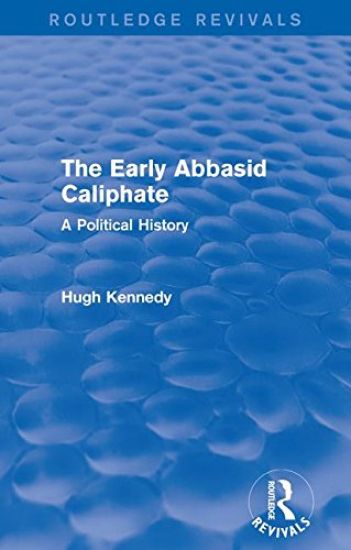
The Early Abbasid Caliphate

The Early Abbasid Caliphate

Hugh Kennedy

TAYLOR FRANCIS LTD
2025
nidottu
The early Abbasid Caliphate was an important period for Islam. The dynasty, based in Baghdad, ruled over a vast Empire, stretching from the Indus Valley and Southern Russia to the East to Tunisia in the West; and presided over an age of brilliant cultural achievements. This study, first published in 1981, examines the Abbasid Caliphs from their coming to power in 750 AD, to the death of the Caliph al-Ma’mun in 833 AD, when the period of Turkish domination began. It looks at the political history of the period, and also considers the social and economic factors, showing how they developed and influenced political life. The work is designed as a unique introduction to the period, and will prove invaluable to all students involved with Islamic, Byzantine and Mediterranean history and culture.
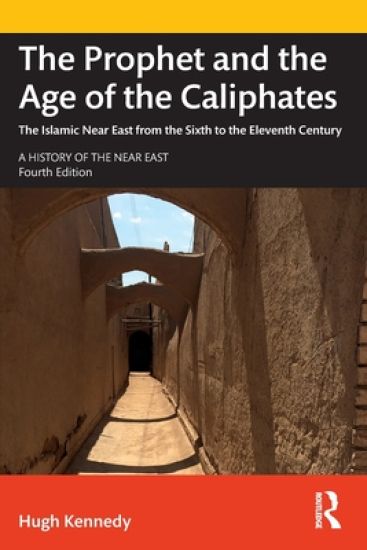
The Prophet and the Age of the Caliphates

The Prophet and the Age of the Caliphates

Hugh Kennedy

TAYLOR FRANCIS LTD
2022
nidottu
The Prophet and the Age of the Caliphates is an accessible history of the Near East from c.600 to 1050 AD, the period in which Islamic society was formed. Beginning with the life of Muhammad and the birth of Islam, Hugh Kennedy goes on to explore the great Arab conquests of the seventh century and the golden age of the Umayyad and Abbasid caliphates when the world of Islam was politically and culturally far more developed than the West. The crisis of the tenth century put an end to the political unity of the Muslim world and saw the emergence of the Fatimid caliphate in Egypt and independent dynasties in the Eastern Islamic world. The book concludes with the advent of Seljuk Turkish rule in the mid-eleventh century. This new edition is fully updated to take into account recent research and there are two entirely new chapters covering the economic background during the period, and the north-east of Iran in the post Abbasid period. Based on extensive reading of the original Arabic sources, Kennedy breaks away from the Orientalist tradition of seeing early Islamic history as a series of ephemeral rulers and pointless battles by drawing attention to underlying long-term social and economic processes. The Prophet and the Age of the Caliphates deals with issues of continuing and increasing relevance in the twenty-first century, when it is, perhaps, more important than ever to understand the early development of the Islamic world. Students and scholars of early Islamic history will find this book a clear, informative and readable introduction to the subject.
The Prophet and the Age of the Caliphates

The Prophet and the Age of the Caliphates

Hugh Kennedy

TAYLOR FRANCIS LTD
2022
sidottu
The Prophet and the Age of the Caliphates is an accessible history of the Near East from c.600 to 1050 AD, the period in which Islamic society was formed. Beginning with the life of Muhammad and the birth of Islam, Hugh Kennedy goes on to explore the great Arab conquests of the seventh century and the golden age of the Umayyad and Abbasid caliphates when the world of Islam was politically and culturally far more developed than the West. The crisis of the tenth century put an end to the political unity of the Muslim world and saw the emergence of the Fatimid caliphate in Egypt and independent dynasties in the Eastern Islamic world. The book concludes with the advent of Seljuk Turkish rule in the mid-eleventh century. This new edition is fully updated to take into account recent research and there are two entirely new chapters covering the economic background during the period, and the north-east of Iran in the post Abbasid period. Based on extensive reading of the original Arabic sources, Kennedy breaks away from the Orientalist tradition of seeing early Islamic history as a series of ephemeral rulers and pointless battles by drawing attention to underlying long-term social and economic processes. The Prophet and the Age of the Caliphates deals with issues of continuing and increasing relevance in the twenty-first century, when it is, perhaps, more important than ever to understand the early development of the Islamic world. Students and scholars of early Islamic history will find this book a clear, informative and readable introduction to the subject.
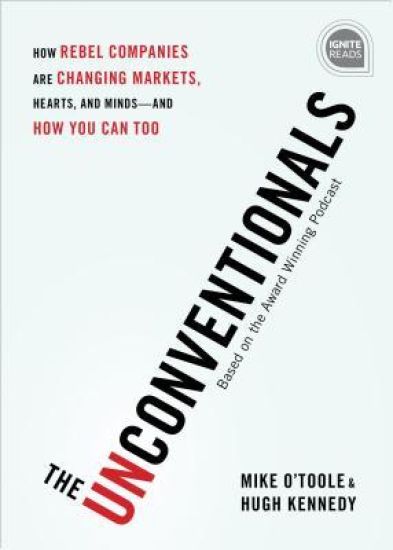
The Unconventionals

The Unconventionals

Hugh Kennedy; Mike O’Toole

Simple Truths, LLC
2019
sidottu
What do electric shavers, craft beer, and DNA tests all have in common? They were all revolutionized by the Unconventionals. We've had our expectations turned upside down by leading brands like Converse, General Electric, and Waze simply because they saw things differently. How did they do that? By simply questioning the prevailing wisdom which then created outsized results and lasting change. Based on the award-winning podcast, The Unconventionals chronicles the amazing stories behind these solid business successes and shows you how reinventing your company (or starting a new one) can be easier than you think! Through in-depth interviews with the business visionaries who turned the unexpected into the expected you will learn how to become unconventional, too!
Caliphate: The History of an Idea

Caliphate: The History of an Idea

Hugh Kennedy

BASIC BOOKS
2016
sidottu
From a preeminent scholar of Islamic history, the authoritative history of caliphates from their beginnings in the 7th century to the modern day In Caliphate, Islamic historian Hugh Kennedy dissects the idea of the caliphate and its history, and explores how it became used and abused today. Contrary to popular belief, there is no one enduring definition of a caliph; rather, the idea of the caliph has been the subject of constant debate and transformation over time. Kennedy offers a grand history of the caliphate since the beginning of Islam to its modern incarnations. Originating in the tumultuous years following the death of the Mohammad in 632, the caliphate, a politico-religious system, flourished in the great days of the Umayyads of Damascus and the Abbasids of Baghdad. From the seventh-century Orthodox caliphs to the nineteenth-century Ottomans, Kennedy explores the tolerant rule of Umar, recounts the traumatic murder of the caliph Uthman, dubbed a tyrant by many, and revels in the flourishing arts of the golden eras of Abbasid Baghdad and Moorish Andaluc - Kennedy also examines the modern fate of the caliphate, unraveling the British political schemes to spur dissent against the Ottomans and the ominous efforts of Islamists, including ISIS, to reinvent the history of the caliphate for their own malevolent political ends. In exploring and explaining the great variety of caliphs who have ruled throughout the ages, Kennedy challenges the very narrow views of the caliphate propagated by extremist groups today. An authoritative new account of the dynasties of Arab leaders throughout the Islamic Golden Age, Caliphate traces the history-and misappropriations-of one of the world's most potent political ideas.
Muslim Spain and Portugal

Muslim Spain and Portugal

Hugh Kennedy

Routledge
2016
sidottu
This is the first study in English of the political history of Muslim Spain and Portugal, based on Arab sources. It provides comprehensive coverage of events across the whole of the region from 711 to the fall of Granada in 1492. Up till now the history of this region has been badly neglected in comparison with studies of other states in medieval Europe. When considered at all, it has been largely written from Christian sources and seen in terms of the Christian Reconquest. Hugh Kennedy raises the profile of this important area, bringing the subject alive with vivid translations from Arab sources. This will be fascinating reading for historians of medieval Europe and for historians of the middle east drawing out the similarities and contrasts with other areas of the Muslim world.
The Early Abbasid Caliphate

The Early Abbasid Caliphate

Hugh Kennedy

Routledge
2015
sidottu
The early Abbasid Caliphate was an important period for Islam. The dynasty, based in Baghdad, ruled over a vast Empire, stretching from the Indus Valley and Southern Russia to the East to Tunisia in the West; and presided over an age of brilliant cultural achievements. This study, first published in 1981, examines the Abbasid Caliphs from their coming to power in 750 AD, to the death of the Caliph al-Ma’mun in 833 AD, when the period of Turkish domination began. It looks at the political history of the period, and also considers the social and economic factors, showing how they developed and influenced political life. The work is designed as a unique introduction to the period, and will prove invaluable to all students involved with Islamic, Byzantine and Mediterranean history and culture.
Crisis and Continuity at the Abbasid Court

Crisis and Continuity at the Abbasid Court

Maaike Berkel; Nadia Maria El Cheikh; Hugh Kennedy; Letizia Osti

Brill
2013
sidottu
The reign of al-Muqtadir (295-320/908-32) is a crucial and controversial epoch in the history of the Abbasid empire. Al-Muqtadir’s regime has traditionally been depicted as one of decline, when the political power of the caliphate and the lustre of its capital began to crumble. This book not only offers a substantial investigation of the idea and reality of decline, but also provides new interpretations of the inner workings of the court and the empire. The authors, four specialists of Abbasid history, explore the formal and informal power relationships that shaped politics at the court, involving bureaucrats, military, harem, courtiers and of course al-Muqtadir himself. A study of the topography of Baghdad completes this vivid picture of the court and its capital.
The Great Arab Conquests

The Great Arab Conquests

Hugh Kennedy

Weidenfeld Nicolson
2008
nidottu
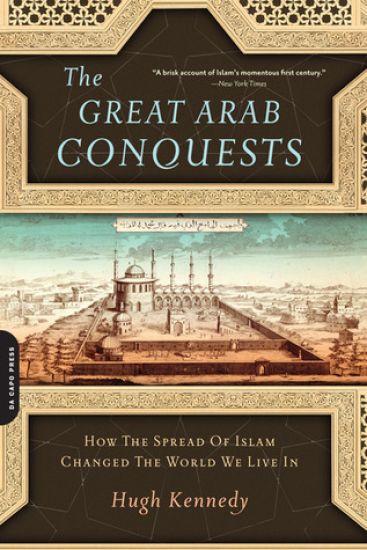
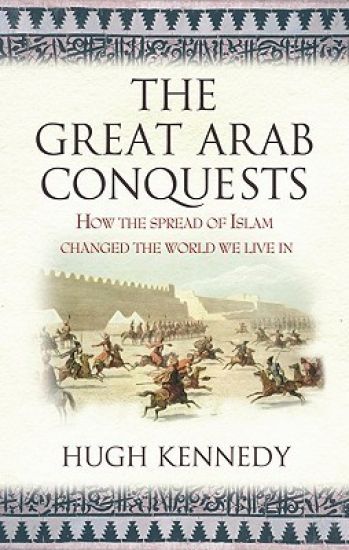
A popular history of the Arab invasions that carved out an empire from Spain to ChinaToday's Arab world was created at breathtaking speed. Whereas the Roman Empire took over 200 years to reach its fullest extent, the Arab armies overran the whole Middle East, North Africa and Spain within a generation. They annihilated the thousand-year-old Persian Empire and reduced the Byzantine Empire to little more than a city-state based around Constantinople. Within a hundred years of the Prophet's death, Muslim armies destroyed the Visigoth kingdom of Spain, and crossed the Pyrenees to occupy southern France. This is the first popular English language account of this astonishing remaking of the political and religious map of the world. Hugh Kennedy's sweeping narrative reveals how the Arab armies conquered almost everything in their path. One of the few academic historians with a genuine talent for story telling, he offers a compelling mix of larger-than-life characters, battles, treachery and the clash of civilizations.
The Byzantine and Early Islamic Near East

The Byzantine and Early Islamic Near East

Hugh Kennedy

Ashgate Publishing Limited
2006
sidottu
The essays in this volume deal with the history of the Middle East from c.550 to 1000 AD. There are three main themes: Syria in Late Antiquity and the changes and continuities with the early Islamic period; relations between Muslims and the Byzantine Empire from the 8th to the 11th centuries; and the development of government and the economy in the early caliphate. Throughout there is an emphasis on social and economic trends and the integration of written and archaeological evidence to elucidate the complex developments in this pivotal part of the world. In different ways all the papers discuss the formation of the Islamic world and the way in which the legacy of Antiquity, economic, social and cultural, affected the emergence of what we think of as this "Islamic World". These papers will be of interest to historians of Islam and Byzantium but also western mediaevalists interested in comparing processes of change at opposite ends of the Mediterranean.
When Baghdad Ruled the Muslim World

When Baghdad Ruled the Muslim World

Hugh Kennedy

Da Capo Press Inc
2006
pokkari
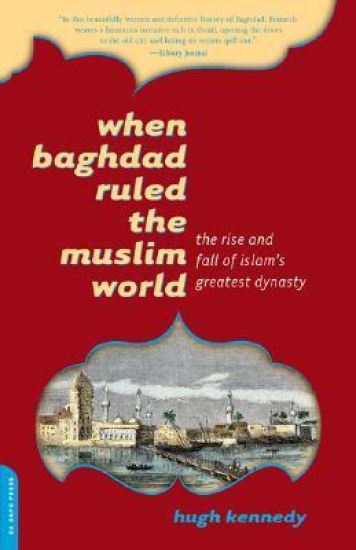
The "golden age of Islam" in the eighth and ninth centuries was as significant to world history as the Roman Empire was in the first and second centuries. The rule of Baghdad's Abbasid Dynasty stretched from Tunisia to India, and its legacy influenced politics and society for years to come. In this deftly woven narrative, Hugh Kennedy introduces us to the rich history and flourishing culture of the period, and the men and women of the palaces at Baghdad and Samarra-the caliphs, viziers, eunuchs, and women of the harem that produced the glorious days of the Arabian Nights .
The Armies of the Caliphs

The Armies of the Caliphs

Hugh Kennedy

Routledge
2001
sidottu
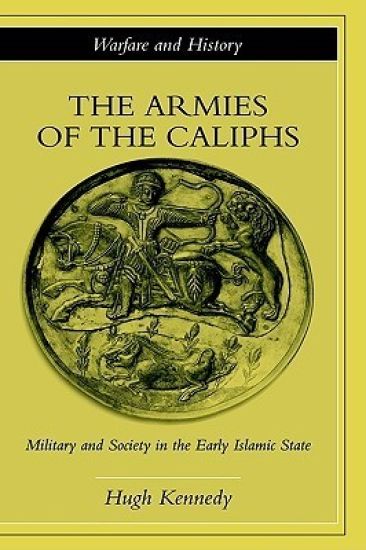
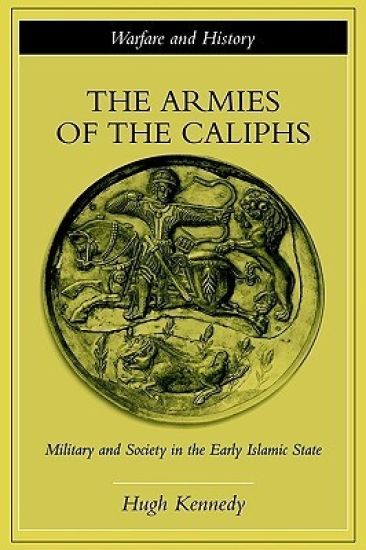
The Armies of the Caliphs is the first major study of the relationship between army and society in the early Islamic period, and reveals the pivotal role of the military in politics. Through a thorough examination of recruitment, payment, weaponry and fortifications in the armies, The Armies of the Caliphs offers the most comprehensive view to date of how the early Muslim Empire grew to control so many people. Using Arabic chronicles, surviving documents, and archaeological evidence, this book analyzes the military and the face of battle, and offers a timely reassessment of the early Islamic State.
The Armies of the Caliphs

The Armies of the Caliphs

Hugh Kennedy

Routledge
2001
nidottu
The Armies of the Caliphs is the first major study of the relationship between army and society in the early Islamic period, and reveals the pivotal role of the military in politics. Through a thorough examination of recruitment, payment, weaponry and fortifications in the armies, The Armies of the Caliphs offers the most comprehensive view to date of how the early Muslim Empire grew to control so many people. Using Arabic chronicles, surviving documents, and archaeological evidence, this book analyzes the military and the face of battle, and offers a timely reassessment of the early Islamic State.
Crusader Castles

Crusader Castles

Hugh Kennedy

Cambridge University Press
2001
pokkari
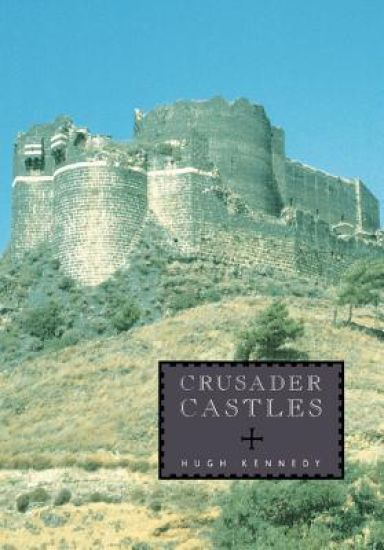
This is a general account of the history and architecture of Crusader castles in the Kingdom of Jerusalem, County of Tripoli and Principality of Antioch between 1099 and 1291, the years during which the Crusaders had a permanent presence on the Levantine coast. Extensive use is made of contemporary chronicles to show the reasons why castles were built and how they were used in peace and war. The book is fully illustrated by photographs, drawings and plans, and contains a comprehensive bibliography.
Muslim Spain and Portugal

Muslim Spain and Portugal

Hugh Kennedy

Routledge
1996
nidottu
This is the first study in English of the political history of Muslim Spain and Portugal, based on Arab sources. It provides comprehensive coverage of events across the whole of the region from 711 to the fall of Granada in 1492. Up till now the history of this region has been badly neglected in comparison with studies of other states in medieval Europe. When considered at all, it has been largely written from Christian sources and seen in terms of the Christian Reconquest. Hugh Kennedy raises the profile of this important area, bringing the subject alive with vivid translations from Arab sources. This will be fascinating reading for historians of medieval Europe and for historians of the middle east drawing out the similarities and contrasts with other areas of the Muslim world.