Kirjojen hintavertailu – 12 903 725 kirjaa ja 27 kauppaa

Kirjailija

Hugh Rockoff

Kirjat ja teokset yhdessä paikassa: 5 kirjaa, julkaisuja vuosilta 1984–2017, suosituimpiin kuuluu America's Economic Way of War. Vertaile teosten hintoja ja tarkista saatavuus suomalaisista kirjakaupoista.

5 kirjaa

Kirjojen julkaisuvuodet: 1984–2017.

History of American Economy

History of American Economy

Gary Walton; Hugh Rockoff

South-Western College Publishing
2017
sidottu
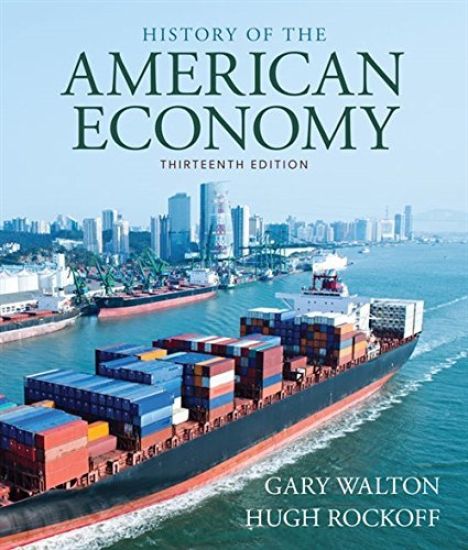
Ever wonder how the American economy became the most powerful one in the world? Tying America's past to the economic policies of today and beyond, the popular HISTORY OF THE AMERICAN ECONOMY, 13E answers this critical question and more. This market-leading coverage presents events chronologically for easy understanding This prestigious book has been used by more students, like you, than in other text in the U. S. HISTORY OF THE AMERICAN ECONOMY has helped generations of learners understand how the American economy evolved. Completely updated with recent research by economic historians, this trusted book ties this country’s past to the policies and debates of today and beyond. Visual aids, tables and graphs reinforce learning help keep you interested in the study of economic history. This edition is available with MindTap digital course, offering a full, mobile-ready textbook combined with superior and proven learning tools.
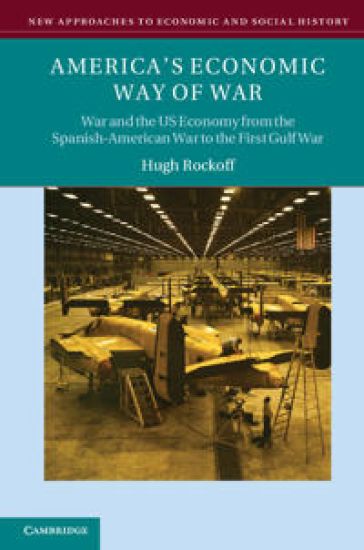
America's Economic Way of War

America's Economic Way of War

Hugh Rockoff

Cambridge University Press
2012
pokkari
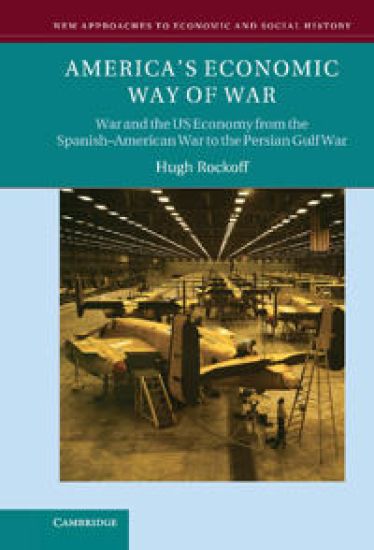
How did economic and financial factors determine how America waged war in the twentieth century? This important new book exposes the influence of economics and finance on the questions of whether the nation should go to war, how wars would be fought, how resources would be mobilized, and the long-term consequences for the American economy. Ranging from the Spanish-American War to the Gulf War, Hugh Rockoff explores the ways in which war can provide unique opportunities for understanding the basic principles of economics as wars produce immense changes in monetary and fiscal policy and so provide a wealth of information about how these policies actually work. He shows that wars have been more costly to the United States than most Americans realize as a substantial reliance on borrowing from the public, money creation and other strategies to finance America's war efforts have hidden the true cost of war.
America's Economic Way of War

America's Economic Way of War

Hugh Rockoff

Cambridge University Press
2012
sidottu
How did economic and financial factors determine how America waged war in the twentieth century? This important new book exposes the influence of economics and finance on the questions of whether the nation should go to war, how wars would be fought, how resources would be mobilized, and the long-term consequences for the American economy. Ranging from the Spanish-American War to the Gulf War, Hugh Rockoff explores the ways in which war can provide unique opportunities for understanding the basic principles of economics as wars produce immense changes in monetary and fiscal policy and so provide a wealth of information about how these policies actually work. He shows that wars have been more costly to the United States than most Americans realize as a substantial reliance on borrowing from the public, money creation and other strategies to finance America's war efforts have hidden the true cost of war.
Drastic Measures

Drastic Measures

Hugh Rockoff

Cambridge University Press
2004
pokkari
This is a history of America’s use of wage and price controls from colonial times to Richard Nixon’s experiment with controls in the 1970s. It explores the impact of controls on prices and productivity, side-effects such as the growth of black markets and the expansion of government, and the relationship between controls and monetary policy. The central conclusion is that, contrary to the conventional wisdom, there are situations where the net effect of controls can be positive. In particular, temporary controls may reduce the unemployment and lost output usually associated with disinflation.
Drastic Measures

Drastic Measures

Hugh Rockoff

Cambridge University Press
1984
sidottu
This is a history of America's use of wage and price controls from colonial times to Richard Nixon's experiment with controls in the 1970s. It explores the impact of controls on prices and productivity, side-effects such as the growth of black markets and the expansion of government, and the relationship between controls and monetary policy. The central conclusion is that, contrary to the conventional wisdom, there are situations where the net effect of controls can be positive. In particular, temporary controls may reduce the unemployment and lost output usually associated with disinflation.