
Kirjojen hintavertailu – 12 903 725 kirjaa ja 27 kauppaa

Kirjailija

I. Grdina

Kirjat ja teokset yhdessä paikassa: 2 kirjaa, julkaisuja vuosilta 2004–2012, suosituimpiin kuuluu New Method of Identifying Family Related Skulls. Vertaile teosten hintoja ja tarkista saatavuus suomalaisista kirjakaupoista.

2 kirjaa

Kirjojen julkaisuvuodet: 2004–2012.

New Method of Identifying Family Related Skulls

New Method of Identifying Family Related Skulls

Zvonka Zupanic Slavec; G. Hauser; E. Strouhal; I. Grdina

Springer Verlag GmbH
2012
nidottu
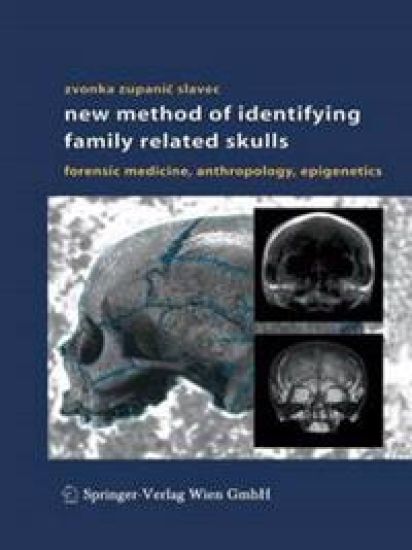
If DNA cannot be isolated, don't give up the identification! The author has used for the same purpose methods ranging from physical anthropology to forensic medicine and especially a recent method of comparison of epigenetic traits, which proved to be very useful for the identification of family related skulls in connection with historical and other data. The kinship of 18 identified skulls (buried together in a family vault) is established by comparison of X-ray images of paranasal cavities (frontal and maxillary sinuses, orbital and nasal cavities), the shape and size of which are strongly genetically determined. The comparison also extends to numerous other epigenetic trait similarities on the skulls. It is recommended for: scientists working on human identification and studying heredity, forensic scientists, physical anthropologists, radiologists, stomatologists, paleopathologists, geneticists, historians and many others.
New Method of Identifying Family Related Skulls

New Method of Identifying Family Related Skulls

Zvonka Zupanic Slavec; G. Hauser; E. Strouhal; I. Grdina

Springer Verlag GmbH
2004
sidottu
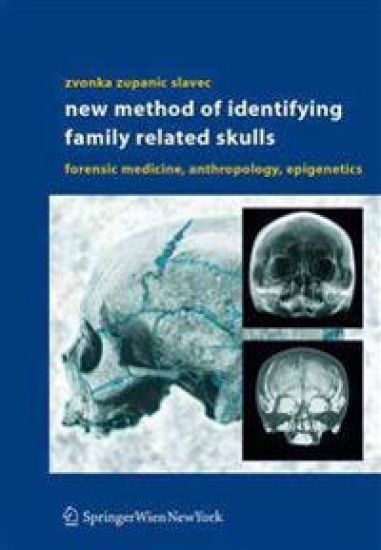
If DNA cannot be isolated, don't give up the identification! The author has used for the same purpose methods ranging from physical anthropology to forensic medicine and especially a recent method of comparison of epigenetic traits, which proved to be very useful for the identification of family related skulls in connection with historical and other data. The kinship of 18 identified skulls (buried together in a family vault) is established by comparison of X-ray images of paranasal cavities (frontal and maxillary sinuses, orbital and nasal cavities), the shape and size of which are strongly genetically determined. The comparison also extends to numerous other epigenetic trait similarities on the skulls. It is recommended for: scientists working on human identification and studying heredity, forensic scientists, physical anthropologists, radiologists, stomatologists, paleopathologists, geneticists, historians and many others.