

Kirjojen hintavertailu – 12 903 725 kirjaa ja 27 kauppaa

Kirjailija

Iain Boyd Whyte

Kirjat ja teokset yhdessä paikassa: 2 kirjaa, julkaisuja vuosilta 1997–2010, suosituimpiin kuuluu John Fowler, Benjamin Baker, Forth Bridge. Vertaile teosten hintoja ja tarkista saatavuus suomalaisista kirjakaupoista.

2 kirjaa

Kirjojen julkaisuvuodet: 1997–2010.

Bruno Taut and the Architecture of Activism

Bruno Taut and the Architecture of Activism

Iain Boyd Whyte

Cambridge University Press
2010
pokkari
Bruno Taut was the leading architectural theorist in Germany during the years 1914–1920. The architectural and social premises which he developed in this seminal period were to be of paramount importance in the subsequent development of modern architecture in Germany in the 1920s. The German example, in turn, was to become a model for the international modern movement. Whereas the history of the modern movement in architecture has generally been written in terms of functionalism, and the availability of materials and technology, Dr Whyte suggests that many of the roots of modern architecture were mystical and irrational, and were concerned less with function and purpose and more with millenarian dreams of the a society which might be achieved through the meditation of the architecture. The author also suggests that there were political reasons behind this type of architecture and why it failed to achieve its aim of improving the physical and social condition of society.
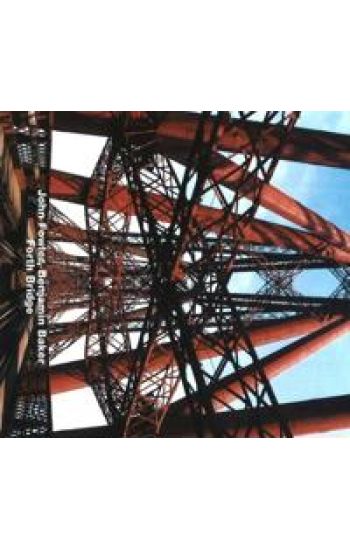
John Fowler, Benjamin Baker, Forth Bridge

John Fowler, Benjamin Baker, Forth Bridge

Iain Boyd Whyte; Angus Macdonald

Edition Axel Menges
1997
sidottu
When the Forth Bridge opened on 4 March 1890, it was the longest railway bridge in the world and the first large structure made of steel. Crossing the wide Firth of Forth west of Edinburgh in Scotland, it represents one of the greatest engineering triumphs of Victorian Britain, man's victory over the intractable topography of land and water. Not surprisingly, such a vigorous rebuff of the natural order was condemned at the time by those late Victorians who resisted the march of technology, and William Morris described the Bridge as the "supremest specimen of all ugliness". In response, Benjamin Baker insisted that its beauty lay in its functional elegance. Contrasting the bridge with the only comparable structure of the period, the Eiffel Tower, he concluded: "The Eiffel Tower is a foolish piece of work, ugly, ill-proportioned and of no real use to anyone." But the beauty and fascination of the Forth Bridge lies not simply in its functional performance, but in its scale and power. Over a mile long and higher than the dome of St. Peter's in Rome, it rivals the natural phenomena that the philosophers of the 18th century identified as sources of sublime beauty. Immanuel Kant pointed to hurricanes, boundless oceans and high waterfalls as objects of sublime contemplation, "because they raise the forces of the soul above the heights of the vulgar commonplace, and discover within us a power of resistance of quite another kind, which gives us courage to be able to measure ourselves against the seeming omnipotence of nature". In the 19th century the awe-inspiring feats of nature were rivalled by the inventions of the engineers, and the thrill of the waterfall or the lightning flash was eclipsed by the sight of the roaring locomotive dashing across the majestic span of the Forth Bridge.