Kirjojen hintavertailu – 12 903 725 kirjaa ja 27 kauppaa

Kirjailija

Iain Dickie

Kirjat ja teokset yhdessä paikassa: 4 kirjaa, julkaisuja vuosilta 2005–2025, suosituimpiin kuuluu Battles of the Crusades. Vertaile teosten hintoja ja tarkista saatavuus suomalaisista kirjakaupoista.

4 kirjaa

Kirjojen julkaisuvuodet: 2005–2025.

Medieval Warfare Illustrated Atlas

Medieval Warfare Illustrated Atlas

Matthew Bennett; Kelly DeVries; Iain Dickie; Jim Bradbury; Phyllis G Jestice

AMBER BOOKS LTD
2025
sidottu

Halvin toimitettuna 28,40 €

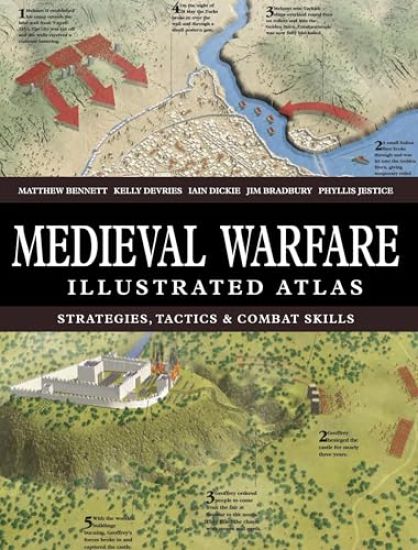
Why were Welsh longbowmen and Italian mercenaries more effective in battle than French armoured knights? How able were the crusaders? What is the difference between chain mail and scale mail? Medieval Warfare Illustrated Atlas describes combat in what has been characterised as the ‘age of chivalry’. The book explores the tactics and strategy required to win battles with the technology available and points out how the development of such weapons technology changed the face of the battlefield. Divided into five sections, the text begins with the foot soldier and the mounted soldier, the equipment they wore and used, and how they fought together as a unit. The third section discusses how these units were used together on the battlefield, and the importance of a general correctly disposing his troops before the battle began. The fourth section looks at siege warfare, while the final chapter covers naval warfare, from the ships to the weapons the soldiers carried to the major encounters of the period. Using specially commissioned artworks to illustrate the battles, equipment and tactics of the era, Medieval Warfare Illustrated Atlas shows in detail the methods by which armies gained and lost ascendancy on the battlefield. This is an essential companion for any reader interested in medieval warfare.
Battles of the Crusades

Battles of the Crusades

Kelly DeVries; Iain Dickie; Martin J Dougherty; Phyllis G Jestice; Christer Jorgensen; Michael F Pavkovic

Amber Books Ltd
2019
sidottu
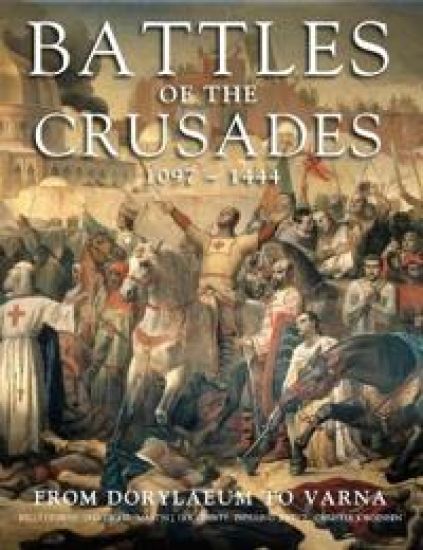
When Pope Urban II called European Christianity to stem the expansion of Islamic states into Europe, he set off a train of events that would last many hundreds of years and have far reaching political and economic consequences. Battles of the Crusades introduces 20 key battles from this period of religiously inspired conflict in Europe and the Middle East. Beginning with the battle of Dorylaeum (1097) and finishing with the battle of Varna (1444), examples from every era and campaign are featured. Apart from such well-known encounters as Antioch, Jerusalem and Harran, battles between the Crusader states and their Muslim neighbours include Montgisard and Saladin’s destruction of the Crusader army at Hattin. Beyond the Middle East, featured battles include the Christian recapture of Lisbon and the massacre of the Albigensians at Beziers in France. Battles from the Reconquista of Spain and the expansion of the Teutonic Knights make this a rounded account of 500 years of religious conflict. Each entry includes a contextual introduction, a concise description of the action, and an analysis of the aftermath. A specially commissioned colour map illustrating movement of forces brings the subject to life and helps the reader to grasp the development of the battle. With more than 200 colour and black-and-white maps, artworks, and photographs, Battles of the Crusades provides an accessible introduction to key engagements of the Medieval era. Designed for both the general reader and enthusiast, the book is an essential companion for anyone interested in the warfare and tactics of the Middle Ages.
Fighting Techniques of the Medieval World AD 500 to AD 1500

Fighting Techniques of the Medieval World AD 500 to AD 1500

Matthew Bennett; Jim Bradbury; Kelly DeVries; Iain Dickie; Phyllis G. Jestice

Spellmount Publishers Ltd
2005
sidottu
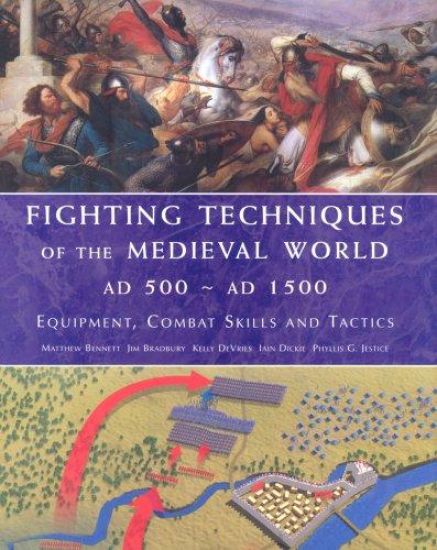
This informative book describes the fighting techniques of soldiers in what has been characterised as the 'age of chivalry' and it shows in detail the methods by which armies gained and lost ascendancy on the battlefield. Examined firstly are the individual components of the medieval army, the foot soldier and the mounted soldier and the equipment they wore and used and how they fought together as a unit. Certain types of unit are described - like Welsh longbowmen and Italian mercenaries - and why they were more effective than others, such as the French armoured knights at Agincourt. The third section discusses how these units were used together on the battlefield and the importance of a general correctly disposing his troops before the battle began - key battles such as Lincoln, Bannockburn and Crecy are examined - and also the contrasting tactics of both sides during crusades and the various shortcomings of the crusaders and their leaders. The fourth part looks at the specialist techniques and equipment developed for siege warfare - a common event in this era of fortification. The last section covers naval warfare, from the ships in which the men fought to the weapons they carried and the major battles of the period including the battle of Meloria in the Mediterranean.
Fighting Techniques of Naval Warfare 1190BC–Present

Fighting Techniques of Naval Warfare 1190BC–Present

Iain Dickie; Martin J Dougherty; Phyllis G Jestice; Christer Jorgensen; Rob S Rice

Amber Books Ltd
2009
sidottu
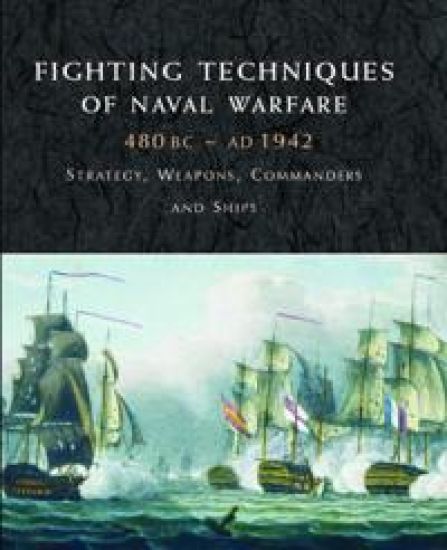
Fighting Techniques of Naval Warfare describes the fighting techniques of navies throughout the ages, from ancient times to the present day. The book explores the tactics and strategy required to win battles with the technology available, and points out how the development of such weapons changed the face of naval warfare. Divided into five sections, the text first examines the ancient methods of fighting at sea. Fighting Techniques of Naval Warfare describes why some navies and admirals were more effective than others, and why certain tactics were successful or not. Progressing through the ages, each section contains four key battles illustrated with maps to highlight the tactics in vogue at the time, while the accompanying text describes the equipment used by navies of the period. The battles featured include Actium, Sluys, the Armada, Sacheon, Quiberon Bay, Lake Erie, and Jutland. Using specially-commissioned colour and black-and-white artworks to illustrate the battles, equipment and tactics of the era, Fighting Techniques of Naval Warfare shows in detail the methods by which navies gained and lost ascendancy on the oceans.