Kirjojen hintavertailu – 12 859 827 kirjaa ja 27 kauppaa
Kirjailija
IAN COPLAND
Kirjat ja teokset yhdessä paikassa: 7 kirjaa, julkaisuja vuosilta 1997–2019, suosituimpiin kuuluu INDIA 18851947. Vertaile teosten hintoja ja tarkista saatavuus suomalaisista kirjakaupoista.
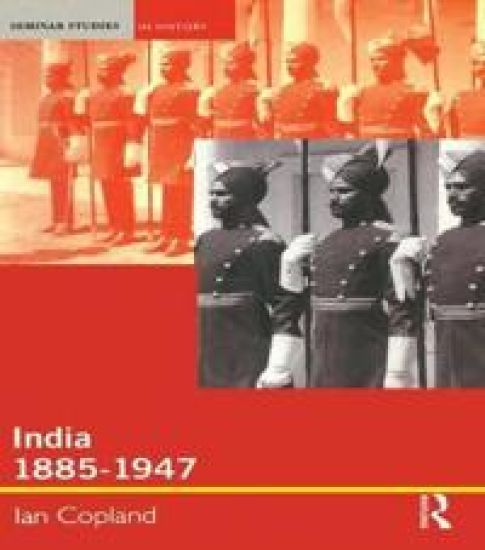
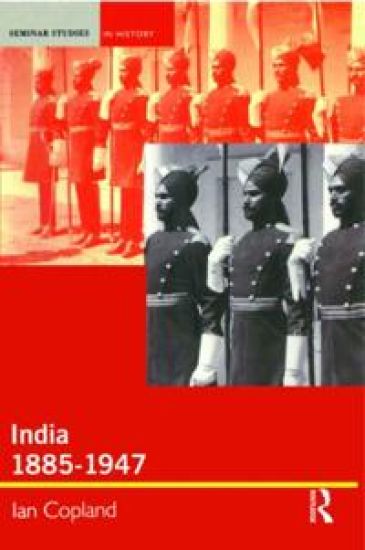
The Unmaking of an Empire. nbspThis new account of Indias struggle for independence gives thenbspfull social, political and economic context up to the transfer of power in 1947. Coveringnbspthe Indian National Congress, the central figure of Gandhi, and the first years of independence, helpful features include a biographical guide to the main protagonists and a chronological outline of the main events. nbspnbsp
The establishment of the Indian National Congress in 1885 marked a turning point in modern South Asian history. At the time, few grasped the significance of the event, nor understood the power that its leader would come to wield. From humble beginnings, the Congress led by Gandhi would go on to spearhead India s fight for independence from British rule: in 1947 it succeeded the British Raj as the regional ruling power. Ian Copland provides both a narrative and analysis of the process by which Indians and Pakistanis emancipated themselves from the seemingly iron-clad yoke of British imperialism. In so doing, he goes to the heart of what sets modern India apart from most other countries in the region its vigorous democracy.
Offering the first long-duration analysis of the relationship between the state and religion in South Asia, this book looks at the nature and origins of Indian secularism. It interrogates the proposition that communalism in India is wholly a product of colonial policy and modernisation, questions whether the Indian state has generally been a benign, or disruptive, influence on public religious life, and evaluates the claim that the region has spawned a culture of practical toleration. The book is structured around six key arenas of interaction between state and religion: cow worship and sacrifice, control of temples and shrines, religious festivals and processions, proselytising and conversion, communal riots, and religious teaching/doctrine and family law. It offers a challenging argument about the role of the state in religious life in a historical continuum, and identifies points of similarity and contrast between periods and regimes. The book makes a significant contribution to the literature on South Asian History and Religion.
Offering the first long-duration analysis of the relationship between the state and religion in South Asia, this book looks at the nature and origins of Indian secularism. It interrogates the proposition that communalism in India is wholly a product of colonial policy and modernisation, questions whether the Indian state has generally been a benign, or disruptive, influence on public religious life, and evaluates the claim that the region has spawned a culture of practical toleration. The book is structured around six key arenas of interaction between state and religion: cow worship and sacrifice, control of temples and shrines, religious festivals and processions, proselytising and conversion, communal riots, and religious teaching/doctrine and family law. It offers a challenging argument about the role of the state in religious life in a historical continuum, and identifies points of similarity and contrast between periods and regimes. The book makes a significant contribution to the literature on South Asian History and Religion.
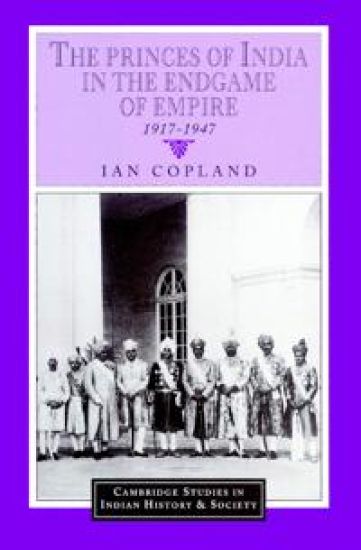
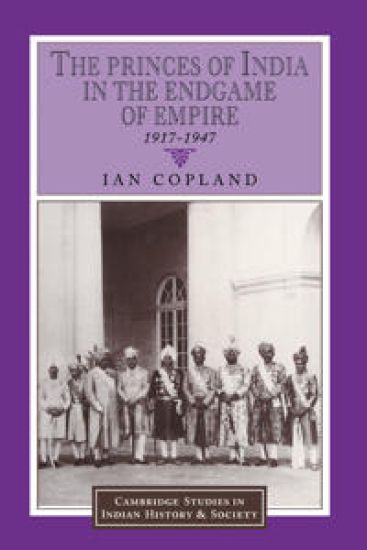
Ian Copland's comprehensive and fascinating study of the role played by the Indian princes, the maharajas and nawabs of South Asia, in the devolution of British colonial power is long overdue. By rehabilitating the princes as subjects of serious historical study, the author demonstrates that, far from being puppets under the control of the British, they were in fact significant players on the Indian political stage in the inter-war period. He goes on to explain how and why an order so deep-rooted, and outwardly so strong, collapsed so quickly after independence under the successor Congress government in New Delhi. The study adds a new dimension to the political history of late colonial India, and has implications for the wider history of the twentieth-century British Empire.
The establishment of the Indian National Congress in 1885 marked a turning point in modern South Asian history. At the time, few grasped the significance of the event, nor understood the power that its leader would come to wield. From humble beginnings, the Congress led by Gandhi would go on to spearhead India s fight for independence from British rule: in 1947 it succeeded the British Raj as the regional ruling power. Ian Copland provides both a narrative and analysis of the process by which Indians and Pakistanis emancipated themselves from the seemingly iron-clad yoke of British imperialism. In so doing, he goes to the heart of what sets modern India apart from most other countries in the region its vigorous democracy.
Ian Copland's comprehensive and fascinating study of the role played by the Indian princes, the maharajas and nawabs of South Asia, in the devolution of British colonial power is long overdue. By rehabilitating the princes as subjects of serious historical study, the author demonstrates that, far from being puppets under the control of the British, they were in fact significant players on the Indian political stage in the inter-war period. He goes on to explain how and why an order so deep-rooted, and outwardly so strong, collapsed so quickly after independence under the successor Congress government in New Delhi. The study adds a new dimension to the political history of late colonial India, and has implications for the wider history of the twentieth-century British Empire.