Kirjojen hintavertailu – 12 859 824 kirjaa ja 27 kauppaa
Kirjailija
Ian Stead
Kirjat ja teokset yhdessä paikassa: 5 kirjaa, julkaisuja vuosilta 1996–2023, suosituimpiin kuuluu Ogleforth. Vertaile teosten hintoja ja tarkista saatavuus suomalaisista kirjakaupoista.
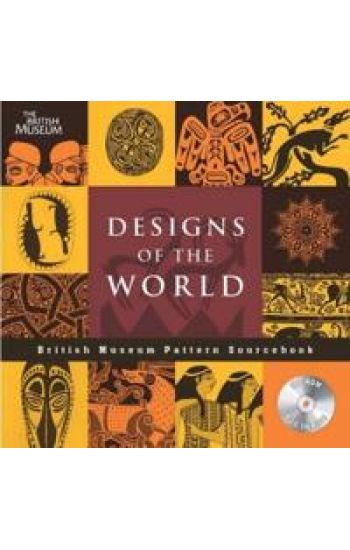
British Museum Pattern books reproduce in intricate line drawings the rich variety of patterns and designs which decorate art and artefacts in the British Museum and beyond. In this edition, which takes the most striking and intriguing designs from the collection, the great diversity of artistic styles from around the globe is illustrated. The designs are arranged by culture and a concise introduction briefly discusses the historical background of each culture and its designs. Useful information is provided in the notes on the materials, techniques and sources of each design. Featuring patterns from Ancient Greece, Egypt and Rome; Africa and Oceania alongside Early Celtic, Islamic and Medieval art and including designs taken from sculpture, pottery, metalwork, textiles and jewellery and much more, this book is a wonderful visual reference and an invaluable source of ideas and inspiration. The Authors; Eva Wilson began work as a potter in Denmark and then became draughtsman to the Archaeological Department of the University of Lund, Sweden. Since 1955 she has worked as a freelance illustrator of specialist and popular books on art and archaeology. Rebecca Jewell formerly worked at the Museum of Mankind, London, and at the Commonwealth Institute, London. She is now a freelance illustrator. Susan Bird worked as the illustrator in the Department of Greek and Roman Antiquities at the British Museum – a post she occupied for twenty years. She now works as a freelance illustrator, ceramicist and painter. Ian Stead is an Iron-Age specialist in the Department of Prehistoric and Romano-British Antiquities at the British Museum, and author of Celtic Art. Karen Hughes is an illustrator working in the Department of Prehistoric and Romano- British Antiquities at the British Museum.
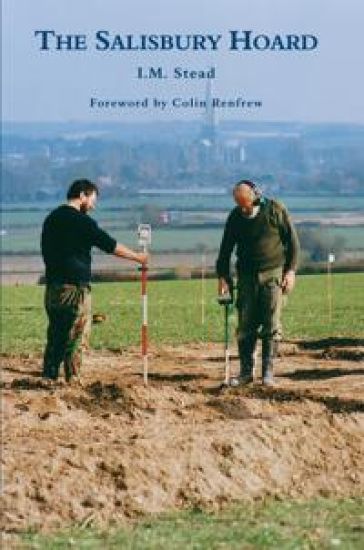
The Salisbury Hoard is the most remarkable hoard of prehistoric metalwork ever found in Britain, but knowledge of it was almost lost with artefacts scattered by metal-detectorists, dealers, auction houses and collectors. Thanks, however, to the dogged persistence of Dr Stead well over half the hoard has now been recovered and acquired by the British Museum, where it will be displayed as one of the most important finds of the century. Ian Stead's first-hand account has been widely hailed as one of the most riveting books on archaeology ever published.
The Salisbury Hoard is the most remarkable hoard of prehistoric metalwork ever found in Britain, but knowledge of it was almost lost with artefacts scattered by metal-detectorists, dealers, auction houses and collectors. Thanks, however, to the dogged persistence of Dr Stead well over half the hoard has now been recovered and acquired by the British Museum, where it will be displayed as one of the most important finds of the century. Ian Stead's first-hand account has been widely hailed as one of the most riveting books on archaeology ever published.
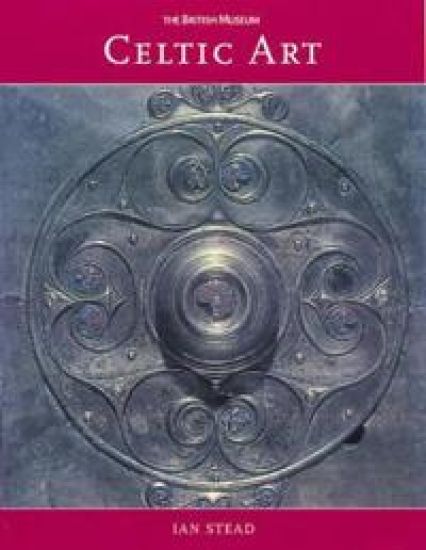
The Celtic-speaking Britons who inhabited England, Wales and part of Scotland in the 500 years BC left no written history. However, archaeology continues to reveal their artistic achievements. Jewellery, weapons, armour and the metal fittings of chariots and harness are magnificently decorated with fascinating and powerful designs. This introduction to the various forms of abstract decoration used by the Celts, asks whether their distinctive designs had a symbolic meaning now lost, or whether they were simple adornment. It examines the craftsmen's techniques, then follows the development of certain patterns and finally describes a number of surviving masterpieces, such as the Battersea shield and the Aylesford bucket.