Kirjojen hintavertailu – 12 859 818 kirjaa ja 27 kauppaa

Kirjailija

Ibn Al-Muqaffa'

Kirjat ja teokset yhdessä paikassa: 6 kirjaa, julkaisuja vuosilta 1980–2023, suosituimpiin kuuluu Le Livre de Kalila Et Dimna. Vertaile teosten hintoja ja tarkista saatavuus suomalaisista kirjakaupoista.

Nimi esiintyy myös muodoissa: Ibn al-Muqaffa?, Ibn Al-Muqaffa

6 kirjaa

Kirjojen julkaisuvuodet: 1980–2023.

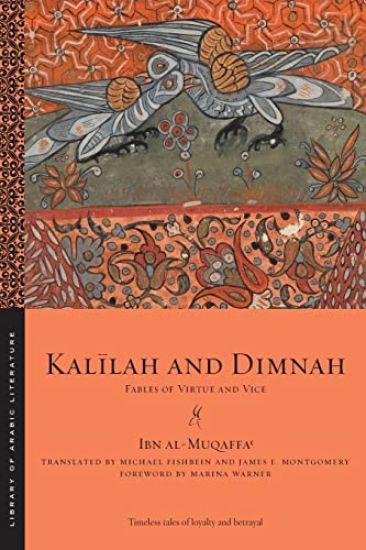
Kalilah and Dimnah

Kalilah and Dimnah

Ibn al-Muqaffa?; Marina Warner

NEW YORK UNIVERSITY PRESS
2023
pokkari

Halvin toimitettuna 20,90 €

Timeless fables of loyalty and betrayal Like Aesop’s Fables, Kalilah and Dimnah is a collection designed not only for moral instruction, but also for the entertainment of readers. The stories, which originated in the Sanskrit Panchatantra and Mahabharata, were adapted, augmented, and translated into Arabic by the scholar and state official Ibn al-Muqaffa? in the second/eighth century. The stories are engaging, entertaining, and often funny, from “The Man Who Found a Treasure But Could Not Keep It,” to “The Raven Who Tried To Learn To Walk Like a Partridge” and “How the Wolf, the Raven, and the Jackal Destroyed the Camel.” Kalilah and Dimnah is a “mirror for princes,” a book meant to inculcate virtues and discernment in rulers and warn against flattery and deception. Many of the animals who populate the book represent ministers counseling kings, friends advising friends, or wives admonishing husbands. Throughout, Kalilah and Dimnah offers insight into the moral lessons Ibn al-Muqaffa? wished to impart to rulers—and readers. An English-only edition.
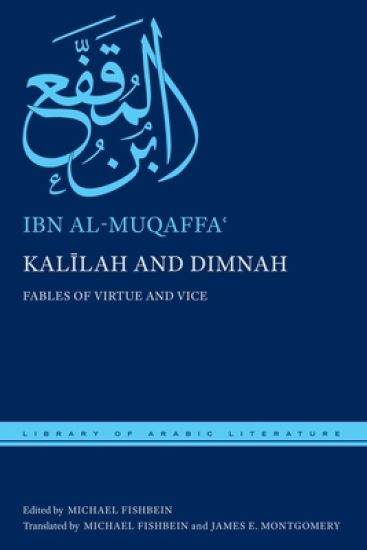
Kalilah and Dimnah

Kalilah and Dimnah

Ibn al-Muqaffa?; Marina Warner

New York University Press
2022
sidottu
Timeless fables of loyalty and betrayal Like Aesop's Fables, Kalilah and Dimnah is a collection designed not only for moral instruction, but also for the entertainment of readers. The stories, which originated in the Sanskrit Panchatantra and Mahabharata, were adapted, augmented, and translated into Arabic by the scholar and state official Ibn al-Muqaffa? in the second/eighth century. The stories are engaging, entertaining, and often funny, from "The Man Who Found a Treasure But Could Not Keep It," to "The Raven Who Tried To Learn To Walk Like a Partridge" and "How the Wolf, the Raven, and the Jackal Destroyed the Camel." Kalilah and Dimnah is a "mirror for princes," a book meant to inculcate virtues and discernment in rulers and warn against flattery and deception. Many of the animals who populate the book represent ministers counseling kings, friends advising friends, or wives admonishing husbands. Throughout, Kalilah and Dimnah offers insight into the moral lessons Ibn al-Muqaffa? believed were important for rulers—and readers. A bilingual Arabic-English edition.
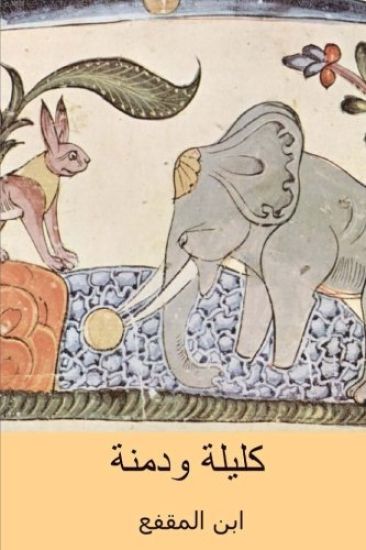
Kalila Wa-Dimna ( Arabic Edition )

Kalila Wa-Dimna ( Arabic Edition )

Ibn Al-Muqaffa

Createspace Independent Publishing Platform
2018
nidottu
Kalila and Dimna is a book containing collection of fables. It was translated into Arabic in the Abbasid age specifically in the second hijri century (the eighth Gregorian century) by Abdullah ibn al-muqaffa using his own writing style. A lot of researchers have agreed that the book goes back to Indian roots, and was based on the Sanskrit text Pa catantra. Then it was translated into Pahlavi language at the beginning of the sixth Gregorian century by orders from Khosrow I. The book introduction says that the Indian scholar "Bedba" wrote it for the king of India "Debshleem," the author used animals and birds as main characters in it, which mainly refer to human characters. The fables include several subjects the most remarkable among them is the relation between the king and his people, in addition to number of aphorisms and sermons. When Khosrow I heard about the book and what it contains of sermons, he ordered the physician Borzuya to travel to India and copy what is in the book and translate it into Persian Pahlavi.
Le Livre de Kalila Et Dimna

Le Livre de Kalila Et Dimna

Ibn Al-Muqaffa'

Klincksieck
2012
nidottu
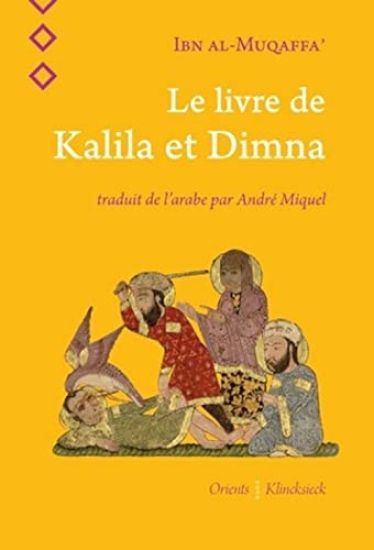
Au VIIIe siecle, Ibn al-Muqaffa' traduit en arabe le Pantchatantra ou fables de Bidpai venues d'Inde par la Perse, sous le titre de Livre de Kalila et Dimna. OEuvre fondatrice de la litterature mondiale au meme titre que Les Mille et une nuits avec lesquelles il partage les memes origines geographiques, ce recueil de fables animalieres etait destine a l'education des princes. La Fontaine lui-meme avoua qu'il lui devait une grande partie de son inspiration avec les fables d'Esope. Il s'agit bien d'un livre-cle , donc d'un livre pour tous comme aime a le rappeler son fameux traducteur, Andre Miquel, une oeuvre royale, pleine de sagesse et d'humour a destination des petits comme des grands. Pour la premiere fois, ce texte essentiel est richement illustre avec cinquante miniatures du XVe siecle en couleur.
Le Livre de Kalila Et Dimna

Le Livre de Kalila Et Dimna

Ibn Al-Muqaffa'

Klincksieck
1980
sidottu
Qu'est-ce que la fable, pour nous, Francais ? Reponse attendue: La Fontaine. Mais d'ou vient l'heritage ? Reponse: Esope, Phedre. Mais aussi l'Orient, l'Inde, Bidpai, l'Iran et le monde arabo-musulman du VIIIe siecle, qui nous donna un des chefs-d'uvre de la litterature universelle: le Kalila et Dimna, ou le lecteur francais retrouvera, a n'en pas douter, des lecons eternelles et bien des personnages familiers de la fable. L'ouvrage est la reedition de la traduction parue en 1957 et effectuee par Andre Miquel, professeur honoraire au College de France.