Kirjojen hintavertailu – 12 859 818 kirjaa ja 27 kauppaa

Kirjailija

Immanuel Kant

Kirjat ja teokset yhdessä paikassa: 1 083 kirjaa, julkaisuja vuosilta 1785–2026, suosituimpiin kuuluu Politz, K: Immanuel Kants Vorlesungen Uber Die Philosophisch. Vertaile teosten hintoja ja tarkista saatavuus suomalaisista kirjakaupoista.

1 083 kirjaa

Kirjojen julkaisuvuodet: 1785–2026.

Immanuel Kant's Kritik der Urtheilskraft

Immanuel Kant's Kritik der Urtheilskraft

Immanuel Kant

Antigonos Verlag
2025
sidottu
Unver nderter Nachdruck der Originalausgabe von 1880. Der Verlag Antigonos spezialisiert sich auf die Herausgabe von Nachdrucken historischer B cher. Wir achten darauf, dass diese Werke der ffentlichkeit in einem guten Zustand zug nglich gemacht werden, um ihr kulturelles Erbe zu bewahren.
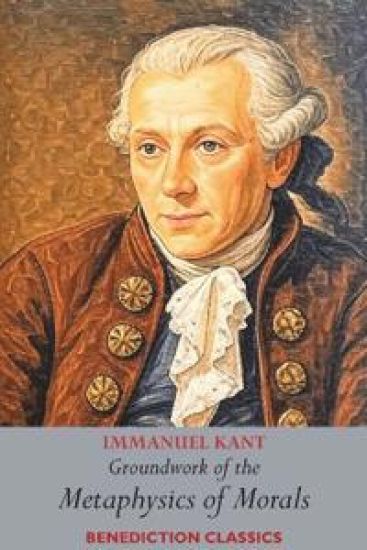
Groundwork of the Metaphysics of Morals

Groundwork of the Metaphysics of Morals

Immanuel Kant

BENEDICTION CLASSICS
2025
sidottu
"What sets Kant apart from almost every other thinker in the Western philosophical canon is his ability to make sense of duties to the self, particularly the duty of self-respect." - Carol Hay, The New York Times. "Two things fill the mind with ever-increasing wonder and awe, the more often and the more intensely the mind of thought is drawn to them: the starry heavens above me and the moral law within me." ― Immanuel Kant Immanuel Kant's Groundwork of the Metaphysics of Morals (sometimes known as Groundwork of the Metaphysics of Morals) is one of the most influential works in moral philosophy along with Plato's Republic and Aristotle's Nicomachean Ethics Iand John Stuart Mill's Utilitarianism. This classic lays the foundation for Kant's ethical theory, which emphasizes duty, rationality, and the universality of moral law. Rather than grounding morality in happiness or outcomes, Kant insists that genuine moral principles must arise from reason and the autonomy of the will. The heart of the work is the concept of the categorical imperative, a universal principle that guides moral action. True morality, he argues, arises from the recognition of duty and the capacity of rational beings to legislate universal law for themselves in accordance with reason. Groundwork of the Metaphysics of Morals has enduring importance because it has shaped the world we live in. Kant provides a philosophical basis for later conceptions of human rights, justice, and ethical responsibility. His principle of treating people as ends, not means, is built into constitutions, international law, and UN declarations. This concise philosophical classic is essential reading for students; it also offers the general reader insights into the foundations of morality. Contents: 1. Transition from the Common Rational Knowledge of Morality to the Philosophical. 2. Transition from Popular Moral Philosophy to the Metaphysic of Morals. 3. Transition from the Metaphysic of Morals to the Critique of Pure Practical Reason. Immanuel Kant (1724-1804) was a German philosopher from K nigsberg is widely regarded as one of the central figures of philosophy. His Critique of Pure Reason transformed metaphysics and epistemology, while his ethical writings shaped deontological moral theory. Kant lived a disciplined and modest life, rarely leaving his hometown, yet his intellectual influence extended worldwide. He emphasized reason, autonomy, and freedom as the basis of human dignity. Today, Kant's philosophy remains a cornerstone of debates in ethics, political theory, and metaphysics

Groundwork of the Metaphysics of Morals

Groundwork of the Metaphysics of Morals

Immanuel Kant

BENEDICTION CLASSICS
2025
pokkari
"What sets Kant apart from almost every other thinker in the Western philosophical canon is his ability to make sense of duties to the self, particularly the duty of self-respect." - Carol Hay, The New York Times. "Two things fill the mind with ever-increasing wonder and awe, the more often and the more intensely the mind of thought is drawn to them: the starry heavens above me and the moral law within me." ― Immanuel Kant Immanuel Kant's Groundwork of the Metaphysics of Morals (sometimes known as Groundwork of the Metaphysics of Morals) is one of the most influential works in moral philosophy along with Plato's Republic and Aristotle's Nicomachean Ethics Iand John Stuart Mill's Utilitarianism. This classic lays the foundation for Kant's ethical theory, which emphasizes duty, rationality, and the universality of moral law. Rather than grounding morality in happiness or outcomes, Kant insists that genuine moral principles must arise from reason and the autonomy of the will. The heart of the work is the concept of the categorical imperative, a universal principle that guides moral action. True morality, he argues, arises from the recognition of duty and the capacity of rational beings to legislate universal law for themselves in accordance with reason. Groundwork of the Metaphysics of Morals has enduring importance because it has shaped the world we live in. Kant provides a philosophical basis for later conceptions of human rights, justice, and ethical responsibility. His principle of treating people as ends, not means, is built into constitutions, international law, and UN declarations. This concise philosophical classic is essential reading for students; it also offers the general reader insights into the foundations of morality. Contents: 1. Transition from the Common Rational Knowledge of Morality to the Philosophical. 2. Transition from Popular Moral Philosophy to the Metaphysic of Morals. 3. Transition from the Metaphysic of Morals to the Critique of Pure Practical Reason. Immanuel Kant (1724-1804) was a German philosopher from K nigsberg is widely regarded as one of the central figures of philosophy. His Critique of Pure Reason transformed metaphysics and epistemology, while his ethical writings shaped deontological moral theory. Kant lived a disciplined and modest life, rarely leaving his hometown, yet his intellectual influence extended worldwide. He emphasized reason, autonomy, and freedom as the basis of human dignity. Today, Kant's philosophy remains a cornerstone of debates in ethics, political theory, and metaphysics

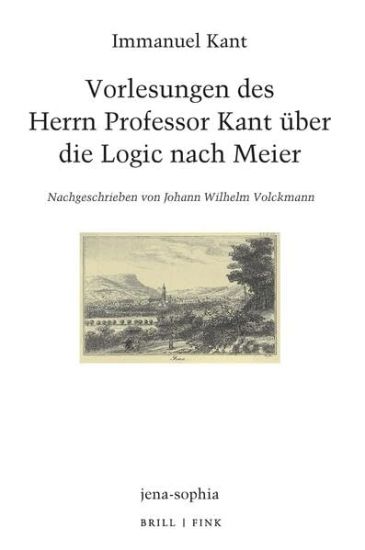
Vorlesungen Des Herrn Professor Kant Uber Die Logic Nach Meier: Nachgeschrieben Von Johann Wilhelm Volckmann
Many elements of the critical works were successively developed by Kant in his lectures on logic. Much of what is only hinted at in the "Critique of Pure Reason" is discussed in more detail in the student notes of his lectures. The transcript by J. W. Volckmann is made available here for the first time in a study edition. Its content goes back to Kant's lectures on logic from around 1777 to 1782.
Crítica de la Razón Pura

Crítica de la Razón Pura

Immanuel Kant

Editorial Alma
2025
sidottu
Immanuel Kant, uno de los pensadores m s destacados de toda la filosof a moderna, se pregunt a finales del siglo XVIII c mo hacer de la Metaf sica una ciencia comparable a las Matem ticas o la F sica y cu les eran los l mites del razonamiento humano. Lo hizo en su extraordinaria Cr tica de la raz n pura, un libro extenso y complejo que condensamos en la presente edici n, cuidadosamente abreviada y que constituye todo un compendio de sabidur a y un desaf o al intelecto. Como dir a el propio fil sofo: Sapere aude ( Atr vete a saber ).