

Kirjojen hintavertailu – 12 903 735 kirjaa ja 27 kauppaa

Kirjailija

Ina Baghdiantz McCabe

Kirjat ja teokset yhdessä paikassa: 3 kirjaa, julkaisuja vuosilta 2004–2014, suosituimpiin kuuluu Slaves of the Shah. Vertaile teosten hintoja ja tarkista saatavuus suomalaisista kirjakaupoista.

Nimi esiintyy myös muodoissa: Ina Baghdiantz-McCabe

3 kirjaa

Kirjojen julkaisuvuodet: 2004–2014.

A History of Global Consumption

A History of Global Consumption

Ina Baghdiantz McCabe

Routledge
2014
sidottu
In A History of Global Consumption: 1500 – 1800, Ina Baghdiantz McCabe examines the history of consumption throughout the early modern period using a combination of chronological and thematic discussion, taking a comprehensive and wide-reaching view of a subject that has long been on the historical agenda. The title explores the topic from the rise of the collector in Renaissance Europe to the birth of consumption as a political tool in the eighteenth century. Beginning with an overview of the history of consumption and the major theorists, such as Bourdieu, Elias and Barthes, who have shaped its development as a field, Baghdiantz McCabe approaches the subject through a clear chronological framework. Supplemented by illlustrations in every chapter and ranging in scope from an analysis of the success of American commodities such as tobacco, sugar and chocolate in Europe and Asia to a discussion of the Dutch tulip mania, A History of Global Consumption: 1500 – 1800 is the perfect guide for all students interested in the social, cultural and economic history of the early modern period.
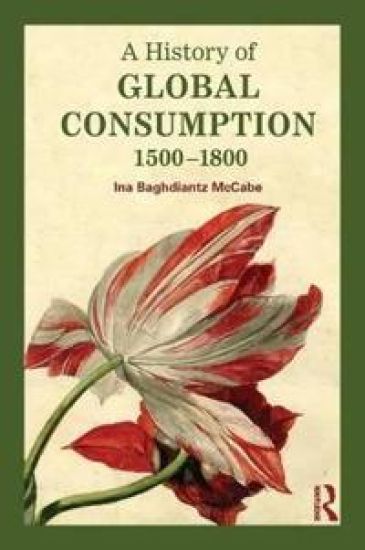
A History of Global Consumption

A History of Global Consumption

Ina Baghdiantz McCabe

Routledge
2014
nidottu
In A History of Global Consumption: 1500 – 1800, Ina Baghdiantz McCabe examines the history of consumption throughout the early modern period using a combination of chronological and thematic discussion, taking a comprehensive and wide-reaching view of a subject that has long been on the historical agenda. The title explores the topic from the rise of the collector in Renaissance Europe to the birth of consumption as a political tool in the eighteenth century. Beginning with an overview of the history of consumption and the major theorists, such as Bourdieu, Elias and Barthes, who have shaped its development as a field, Baghdiantz McCabe approaches the subject through a clear chronological framework. Supplemented by illlustrations in every chapter and ranging in scope from an analysis of the success of American commodities such as tobacco, sugar and chocolate in Europe and Asia to a discussion of the Dutch tulip mania, A History of Global Consumption: 1500 – 1800 is the perfect guide for all students interested in the social, cultural and economic history of the early modern period.
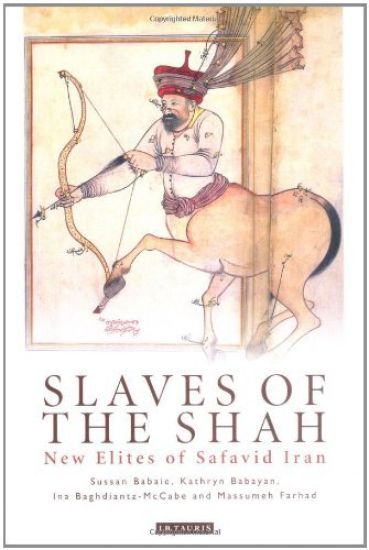
Slaves of the Shah

Slaves of the Shah

Sussan Babaie; K. Babayan; Ina Baghdiantz-McCabe; Mussumeh Farhad

I.B. Tauris
2004
sidottu
The Savafid dynasty represented, in political, cultural and economic terms the pinnacle of Iran's power and influence in its early modern history. The evidence for this -the creation of a nation state, military expansion and success, economic dynamism and the exquisite art and architecture of the period - is well-known. What is less understood is the extent to which the Safavid success depended on - and was a product of - a class of elite originating from outside Iran: the slaves of Caucasian descent and the Armenian merchants of New Julfa in the city of Isfahan. It was these groups, bolstered by Shah Abbas the Great (1589 - 1629) and his successors, who became the pillars of Safavid political, economic and cultural life. This book describes how these elites, following their conversion to Islam, helped to form a new language of Savafid absolutism. It documents their contributions, financed by the Armenian trade in Safavid silk, to the transformation of Isfahan's urban, artistic and social landscape. The insights provided here into the multi-faceted roles of the Safavid royal household offer an original and comprehensive study of slave elites in imperial systems common to the political economies of the Malmuk, Ottoman and Safavid courts as well as contributing to the earlier Abbasid, Ghaznavid and Saljuq eras. As such this book makes an original and important contribution to our understanding of the history of the Islamic world from the 16th to the 18th centuries and will prove invaluable for students and scholars of the period.