Kirjojen hintavertailu – 12 903 725 kirjaa ja 27 kauppaa

Kirjailija

Ingo Weber

Kirjat ja teokset yhdessä paikassa: 5 kirjaa, julkaisuja vuosilta 2003–2026, suosituimpiin kuuluu Architecture for Blockchain Applications. Vertaile teosten hintoja ja tarkista saatavuus suomalaisista kirjakaupoista.

5 kirjaa

Kirjojen julkaisuvuodet: 2003–2026.

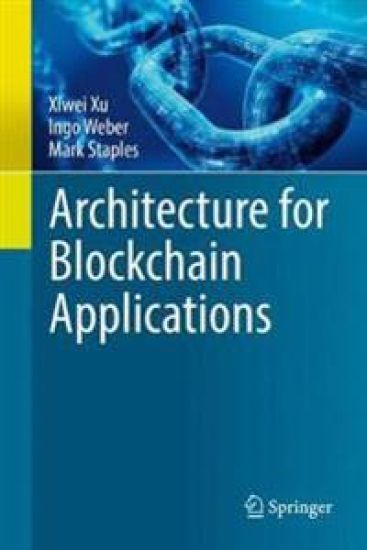
Architecture for Blockchain Applications

Architecture for Blockchain Applications

Xiwei Xu; Ingo Weber; Mark Staples

Springer Nature Switzerland AG
2019
sidottu
This book addresses what software architects and developers need to know in order to build applications based on blockchain technology, by offering an architectural view of software systems that make beneficial use of blockchains. It provides guidance on assessing the suitability of blockchain, on the roles blockchain can play in an architecture, on designing blockchain applications, and on assessing different architecture designs and tradeoffs. It also serves as a reference on blockchain design patterns and design analysis, and refers to practical examples of blockchain-based applications. The book is divided into four parts: Part I provides a general introduction to the topic and to existing blockchain platforms including Bitcoin, Ethereum, and Hyperledger Fabric, and offers examples of blockchain-based applications. Part II focuses on the functional aspects of software architecture, describing the main roles blockchain can play in an architecture, as well as its potential suitability and design process. It includes a catalogue of 15 design patterns and details how to use model-driven engineering to build blockchain-based applications. Part III covers the non-functional aspects of blockchain applications, which are cross-cutting concerns including cost, performance, security, and availability. Part IV then presents three detailed real-world use cases, offering additional insights from a practical perspective. An epilogue summarizes the book and speculates on the role blockchain and its applications can play in the future. This book focusses on the bigger picture for blockchain, covering the concepts and technical considerations in the design of blockchain-based applications. The use of mathematical formulas is limited to where they are critical. This book is primarily intended for developers, software architects and chief information officers who need to understand the basic technology, tools and methodologies to build blockchain applications. It also provides students and researchers new to this field an introduction to this hot topic.

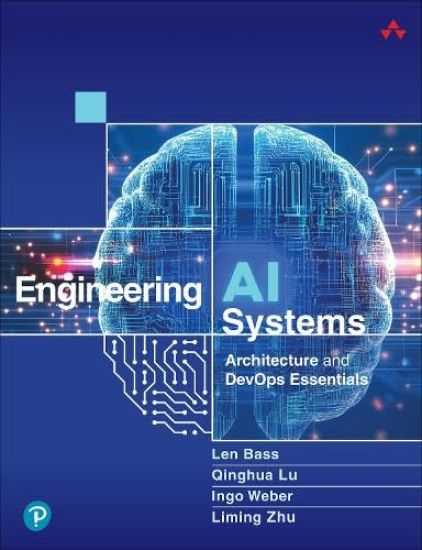
Engineering AI Systems

Engineering AI Systems

Len Bass; Qinghua Lu; Ingo Weber; Liming Zhu

PEARSON EDUCATION (US)
2025
nidottu

Halvin toimitettuna 40,70 €

Master the Engineering of AI Systems: The Essential Guide for Architects and Developers In today's rapidly evolving world, integrating artificial intelligence (AI) into your systems is no longer optional. Engineering AI Systems: Architecture and DevOps Essentials is a comprehensive guide to mastering the complexities of AI systems engineering. This book combines robust software architecture with cutting-edge DevOps practices to deliver high-quality, reliable, and scalable AI solutions. Experts Len Bass, Qinghua Lu, Ingo Weber, and Liming Zhu demystify the complexities of engineering AI systems, providing practical strategies and tools for seamlessly incorporating AI in your systems. You will gain a comprehensive understanding of the fundamentals of AI and software engineering and how to combine them to create powerful AI systems. Through real-world case studies, the authors illustrate practical applications and successful implementations of AI in small- to medium-sized enterprises across various industries, and offer actionable strategies for designing, building, and operating AI systems that deliver real business value. Lifecycle management of AI models, from data preparation to deployment Best practices in system architecture and DevOps for AI systemsSystem reliability, performance, and security in AI implementationsPrivacy and fairness in AI systems to build trust and achieve complianceEffective monitoring and observability for AI systems to maintain operational excellenceFuture trends in AI engineering to stay ahead of the curve Equip yourself with the tools and understanding to lead your organization's AI initiatives. Whether you are a technical lead, software engineer, or business strategist, this book provides the essential insights you need to successfully engineer AI systems. Register your book for convenient access to downloads, updates, and/or corrections as they become available. See inside book for details.
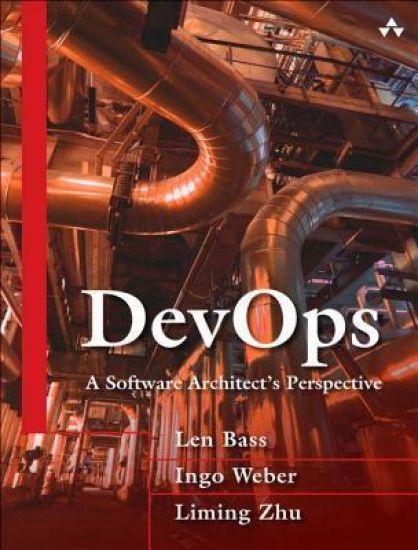
DevOps

DevOps

Len Bass; Ingo Weber; Liming Zhu

Addison Wesley
2015
sidottu
The First Complete Guide to DevOps for Software Architects DevOps promises to accelerate the release of new software features and improve monitoring of systems in production, but its crucial implications for software architects and architecture are often ignored. In DevOps: A Software Architect’s Perspective, three leading architects address these issues head-on. The authors review decisions software architects must make in order to achieve DevOps’ goals and clarify how other DevOps participants are likely to impact the architect’s work. They also provide the organizational, technical, and operational context needed to deploy DevOps more efficiently, and review DevOps’ impact on each development phase. The authors address cross-cutting concerns that link multiple functions, offering practical insights into compliance, performance, reliability, repeatability, and security. This guide demonstrates the authors’ ideas in action with three real-world case studies: datacenter replication for business continuity, management of a continuous deployment pipeline, and migration to a microservice architecture. Comprehensive coverage includes • Why DevOps can require major changes in both system architecture and IT roles • How virtualization and the cloud can enable DevOps practices • Integrating operations and its service lifecycle into DevOps • Designing new systems to work well with DevOps practices • Integrating DevOps with agile methods and TDD • Handling failure detection, upgrade planning, and other key issues • Managing consistency issues arising from DevOps’ independent deployment models • Integrating security controls, roles, and audits into DevOps • Preparing a business plan for DevOps adoption, rollout, and measurement
Bilanzierung nach IAS/IFRS

Bilanzierung nach IAS/IFRS

Peter Leibfried; Ingo Weber

Gabler Verlag
2003
sidottu
Der Autor zeigt auf, dass eine erfolgreiche Umstellung auf IAS eine einmalige Chance zur gleichzeitigen Verbesserung von Unternehmensdarstellung und Unternehmenssteuerung bietet. Die Verhandlungsposition gegenüber Banken und anderen Kapitalgebern wird verbessert.