Kirjojen hintavertailu – 12 859 818 kirjaa ja 27 kauppaa

Kirjailija

Ingunn Lunde

Kirjat ja teokset yhdessä paikassa: 4 kirjaa, julkaisuja vuosilta 2018–2019, suosituimpiin kuuluu Language on Display. Vertaile teosten hintoja ja tarkista saatavuus suomalaisista kirjakaupoista.

4 kirjaa

Kirjojen julkaisuvuodet: 2018–2019.

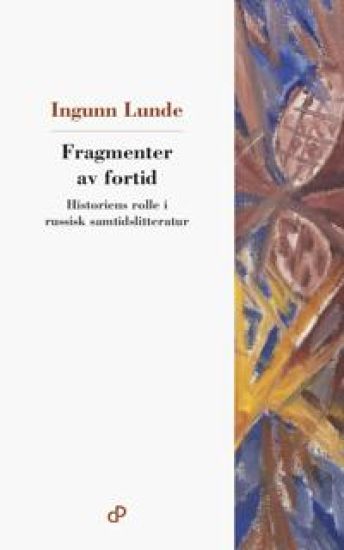
Fragmenter av fortid

Fragmenter av fortid

Ingunn Lunde

Dreyers forl.
2019
nidottu
En av de mange «vendingene» i russisk politikk, kultur og samfunnsliv fra omkring årtusenskiftet er den vi ser i kulturpolitikken, og da kanskje først og fremst i historiepolitikken og minnekulturen. Eksempler fra de siste tiårenes lærebøker i historie, minnesmerker og utstillinger viser hvordan fortiden for styresmaktene fremstår som en ressurs. Historien blir en symbolsk kapital, der patriotisme, historisk kontinuitet og nasjonal enhet står i høysetet. Også litteraturen kan ses som en del av den kollektive erindringskulturen, om enn med en mindre tydelig agenda. Tradisjonelt har skjønnlitteraturen og dens forfattere spilt en viktig rolle i russisk samfunnsdebatt, og på 2000-tallet har elementer av denne tradisjonen gjenoppstått i nye former. Denne boken analyserer russiske prosaverker fra 1999 til 2018 med henblikk på hvordan de tematiserer, bearbeider eller setter spørsmålstegn ved fortiden, både det 20. århundrets totalitære erfaringer og den fjernere fortiden, tilbake til 1400- og 1500-tallet. Litteraturens bud om hvordan man skal få bukt med historien er sjelden enkle, men desto mer spennende.
Language on Display

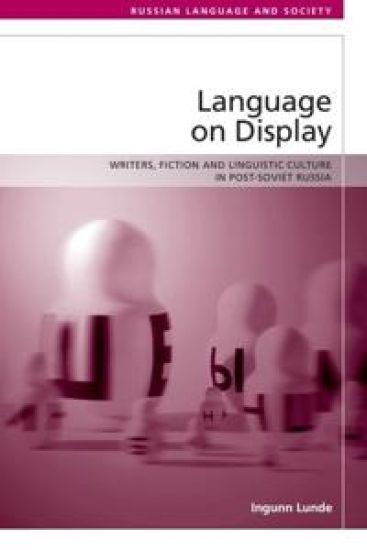
Language on Display

Ingunn Lunde

Edinburgh University Press
2019
nidottu
Post-Soviet Russia was a period of linguistic liberalisation, instability and change with varied attempts to regulate and legislate language usage, a time when the language question permeated all spheres of social, cultural and political life. Key topics for debate included the Soviet linguistic legacy, the past and future of Russian, linguistic variation, language policy and linguistic ideologies. This book looks at how these debates featured in literature and illustrates the discussion through six interpretive readings of post-Soviet Russian prose. It analyses both the writers' explicit and implicit responses and in doing opens up new perspectives for sociolinguistic research on metalanguage. Spanning a number of theoretical fields including language variation, language policy and literary stylistics, Ingunn Lunde provides a coherent way of triangulating these fields by the introduction of the concept of performative metalanguage. The book also offers insight into the role of writers in the broader social and political context of language culture in contemporary Russia and into the various ways in which the linguistic and aesthetic practices of literary art can engage in questions related to the negotiation of linguistic norms.
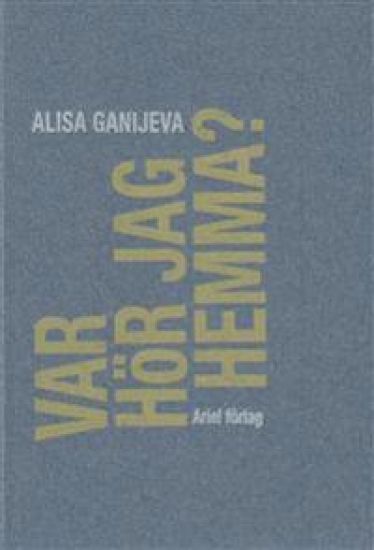
Var hör jag hemma?

Var hör jag hemma?

Alisa Ganijeva; Ingunn Lunde

Ariel Förlag
2019
nidottu
Med utgångspunkt i sina erfarenheter som författare från en av den ­Ryska federationens många minoritetsfolk reflekterar Alisa ­Ganijeva över vilka val hon ställts inför och vilka förväntningar hon mötts av när hon trätt in i den ryska majoritetskulturen. Vad har hon haft rätt att ­skriva om, efter vilka kriterier har hon blivit läst, och vad har skett när hon inte infriat dessa förväntningar? Ganijeva är avariska och bördig från Dagestan, men skriver på ryska. Hon hör ­därmed hemma både i en muslimsk och en kristen kultur, både i det avariska och det ryska språket, och genom att debutera under manlig pseudonym gjorde hon också anspråk på en annan författarroll än den som traditionellt erbjuds kvinnliga författare. I efterordet tecknar Ingunn Lunde, professor i ryska språket och litteraturen vid Bergen universitet, konturerna av Ganijevas författarskap mot fonden av den officiella »minnespolitik«, som präglar dagens ryska politiska och kulturella offentlighet.
Language on Display

Language on Display

Ingunn Lunde

Edinburgh University Press
2018
sidottu
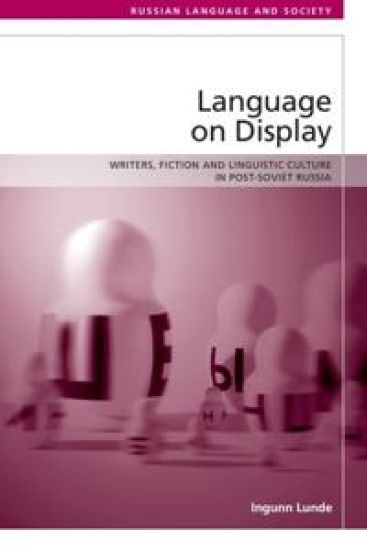
How did Russian writers respond to linguistic debate in the post-Soviet period? Post-Soviet Russia was a period of linguistic liberalisation, instability and change with varied attempts to regulate and legislate language usage, a time when the language question permeated all spheres of social, cultural and political life. Key topics for debate included the Soviet linguistic legacy, the past and future of Russian, linguistic variation, language policy and linguistic ideologies. This book looks at how these debates featured in literature and illustrates the discussion through six interpretive readings of post-Soviet Russian prose. It analyses both the writers' explicit and implicit responses and in doing opens up new perspectives for sociolinguistic research on metalanguage. Spanning a number of theoretical fields including language variation, language policy and literary stylistics, Ingunn Lunde provides a coherent way of triangulating these fields by the introduction of the concept of performative metalanguage. The book also offers insight into the role of writers in the broader social and political context of language culture in contemporary Russia and into the various ways in which the linguistic and aesthetic practices of literary art can engage in questions related to the negotiation of linguistic norms. Key FeaturesHighlights the role of writers, and of fiction, in the language debates of post-Soviet Russia Looks at the subject from the point of view of literary language discussing six texts in detailFeatures work by Tatiana Tolstaia, Evgenii Vodolazkin, Evgenii Popov, Vladimir Sorokin, Valerii Votrin and Mikhail GigolashviliIntroduces a new concept of a 'performative metalanguage' one that opens up new perspectives for sociolinguistic research on metalanguage Analysis of Key TextsEvgenii Popov: 'The True Story of 'The Green Musicians''Vladimir Sorokin: 'Monoklon'Tatiana Tolstaia: 'The Slynx'Evgenii Vodolazkin: 'Laurus'Valerii Votrin: 'The Speech Therapist'Mikhail Gigolashvili: 'The Occupation of Muscovy: a national-linguistic novel'