Kirjojen hintavertailu – 12 903 725 kirjaa ja 27 kauppaa

Kirjailija

Ingvild Bode

Kirjat ja teokset yhdessä paikassa: 6 kirjaa, julkaisuja vuosilta 2011–2022, suosituimpiin kuuluu Individual Agency and Policy Change at the United Nations. Vertaile teosten hintoja ja tarkista saatavuus suomalaisista kirjakaupoista.

6 kirjaa

Kirjojen julkaisuvuodet: 2011–2022.

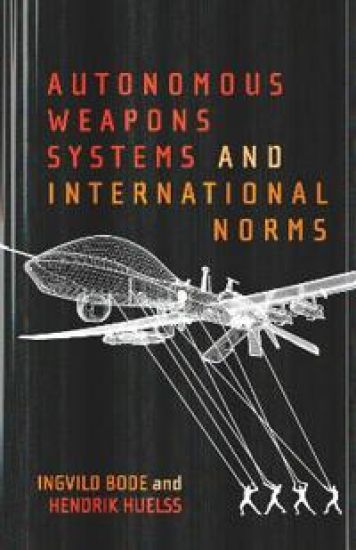
Autonomous Weapons Systems and International Norms

Autonomous Weapons Systems and International Norms

Ingvild Bode; Hendrik Huelss

McGill-Queen's University Press
2022
nidottu
Autonomous weapons systems seem to be on the path to becoming accepted technologies of warfare. The weaponization of artificial intelligence raises questions about whether human beings will maintain control of the use of force. The notion of meaningful human control has become a focus of international debate on lethal autonomous weapons systems among members of the United Nations: many states have diverging ideas about various complex forms of human-machine interaction and the point at which human control stops being meaningful. In Autonomous Weapons Systems and International Norms Ingvild Bode and Hendrik Huelss present an innovative study of how testing, developing, and using weapons systems with autonomous features shapes ethical and legal norms, and how standards manifest and change in practice. Autonomous weapons systems are not a matter for the distant future – some autonomous features, such as in air defence systems, have been in use for decades. They have already incrementally changed use-of-force norms by setting emerging standards for what counts as meaningful human control. As UN discussions drag on with minimal progress, the trend towards autonomizing weapons systems continues. A thought-provoking and urgent book, Autonomous Weapons Systems and International Norms provides an in-depth analysis of the normative repercussions of weaponizing artificial intelligence.
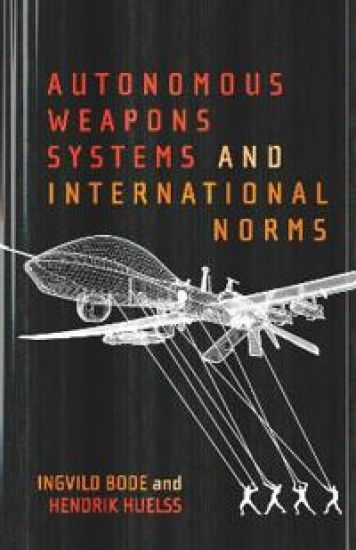
Autonomous Weapons Systems and International Norms

Autonomous Weapons Systems and International Norms

Ingvild Bode; Hendrik Huelss

McGill-Queen's University Press
2022
sidottu
Autonomous weapons systems seem to be on the path to becoming accepted technologies of warfare. The weaponization of artificial intelligence raises questions about whether human beings will maintain control of the use of force. The notion of meaningful human control has become a focus of international debate on lethal autonomous weapons systems among members of the United Nations: many states have diverging ideas about various complex forms of human-machine interaction and the point at which human control stops being meaningful. In Autonomous Weapons Systems and International Norms Ingvild Bode and Hendrik Huelss present an innovative study of how testing, developing, and using weapons systems with autonomous features shapes ethical and legal norms, and how standards manifest and change in practice. Autonomous weapons systems are not a matter for the distant future – some autonomous features, such as in air defence systems, have been in use for decades. They have already incrementally changed use-of-force norms by setting emerging standards for what counts as meaningful human control. As UN discussions drag on with minimal progress, the trend towards autonomizing weapons systems continues. A thought-provoking and urgent book, Autonomous Weapons Systems and International Norms provides an in-depth analysis of the normative repercussions of weaponizing artificial intelligence.
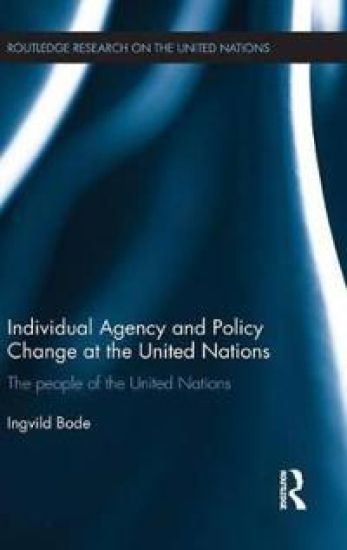
Individual Agency and Policy Change at the United Nations
This book highlights how temporary international civil servants play a crucial role in initiating processes of legal and institutional change in the United Nations system. These individuals are the “missing” creative elements needed to fully understand the emergence and initial spread of UN ideas such as human development, sovereignty as responsibility, and multifunctional peacekeeping. The book:Shows that that temporary UN officials are an actor category which is empirically crucial, yet usually neglected in analytical studies of the UN system. Focussing on these particular individual actors therefore allows for a better understanding of complex UN decision-making. Demonstrates how these civil servants matter, looking at what their agency is based on. Offering a new and distinctive model, Bode seeks to move towards a comprehensive conceptualisation of individual agency, which is currently conspicuous for its absence in many theoretical approaches that address policy changeUses three key case studies of international civil servants (Francis Deng, Mahbub ul Haq and Marrack Goulding) to explore the possibilities of this specific group of UN individuals to act as agents of change and thereby test the prevailing notion that international bureaucrats can only act as agents of the status quo. This book will be of great interest to students and scholars of international organizations and the United Nations.
Individual Agency and Policy Change at the United Nations
This book highlights how temporary international civil servants play a crucial role in initiating processes of legal and institutional change in the United Nations system. These individuals are the “missing” creative elements needed to fully understand the emergence and initial spread of UN ideas such as human development, sovereignty as responsibility, and multifunctional peacekeeping. The book:Shows that that temporary UN officials are an actor category which is empirically crucial, yet usually neglected in analytical studies of the UN system. Focussing on these particular individual actors therefore allows for a better understanding of complex UN decision-making. Demonstrates how these civil servants matter, looking at what their agency is based on. Offering a new and distinctive model, Bode seeks to move towards a comprehensive conceptualisation of individual agency, which is currently conspicuous for its absence in many theoretical approaches that address policy changeUses three key case studies of international civil servants (Francis Deng, Mahbub ul Haq and Marrack Goulding) to explore the possibilities of this specific group of UN individuals to act as agents of change and thereby test the prevailing notion that international bureaucrats can only act as agents of the status quo. This book will be of great interest to students and scholars of international organizations and the United Nations.
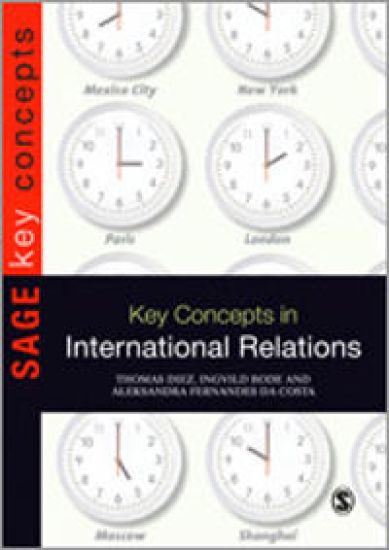
Key Concepts in International Relations

Key Concepts in International Relations

Thomas Diez; Ingvild Bode; Aleksandra Fernandes da Costa

SAGE Publications Inc
2011
nidottu
International relations is a vibrant field of significant growth and change. This book guides students through the complexities of the major theories of international relations and the debates that surround them, the core theoretical concepts, and the key contemporary issues. Introduced by an overview of the discipline's development and general structure, the more than 40 entries are broken down as follows: Parts one and two introduce the key theories and each chapter includes: A broad overviewA discussion of methodologiesA review of empirical applicationsA guide to further reading and useful websites Part three discusses the major concepts and for each concept provides: An introduction to the core questionsAn overview of the definitions and theoretical perspectivesA review of empirical problemsLinks to other entries, further reading and useful websites Clear and highly readable, Key Concepts in International Relations is an essential guide for students on politics and international relations courses.
Key Concepts in International Relations

Key Concepts in International Relations

Thomas Diez; Ingvild Bode; Aleksandra Fernandes da Costa

SAGE Publications Inc
2011
sidottu
International relations is a vibrant field of significant growth and change. This book guides students through the complexities of the major theories of international relations and the debates that surround them, the core theoretical concepts, and the key contemporary issues. Introduced by an overview of the discipline's development and general structure, the more than 40 entries are broken down as follows: Parts one and two introduce the key theories and each chapter includes: A broad overviewA discussion of methodologiesA review of empirical applicationsA guide to further reading and useful websites Part three discusses the major concepts and for each concept provides: An introduction to the core questionsAn overview of the definitions and theoretical perspectivesA review of empirical problemsLinks to other entries, further reading and useful websites Clear and highly readable, Key Concepts in International Relations is an essential guide for students on politics and international relations courses.