
Kirjailija
Irina Paperno
Kirjat ja teokset yhdessä paikassa: 10 kirjaa, julkaisuja vuosilta 1998–2026, suosituimpiin kuuluu Always Under Siege. Vertaile teosten hintoja ja tarkista saatavuus suomalaisista kirjakaupoista.
10 kirjaa
Kirjojen julkaisuvuodet: 1998–2026.
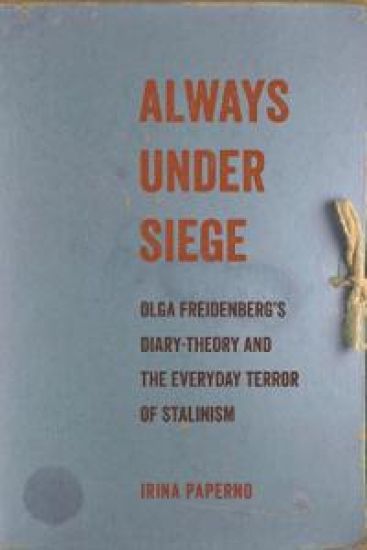
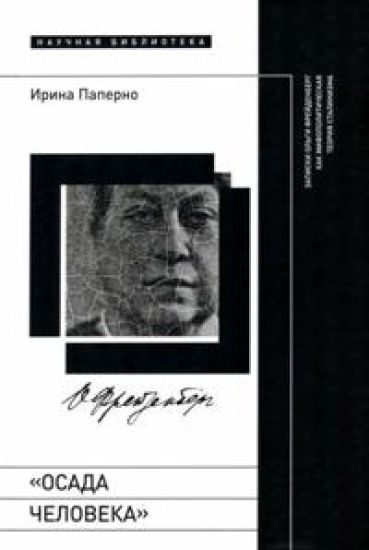
Osada cheloveka. Zapiski Olgi Frejdenberg kak mifopoliticheskaja teorija stalinizma
Irina Paperno
Novoe literaturnoe obozrenie
2023
sidottu
Vypusk 255 / Vypusk CCLVKlassicheskij filolog i teoretik kultury Olga Mikhajlovna Frejdenberg (1890-1955) ostavila ogromnyj korpus avtobiograficheskikh "zapisok", po sej den ne opublikovannyj. Istorija zhizni, sovpavshej s revoljutsiej, dvumja mirovymi vojnami i terrorom, - eto bytovaja khronika, napisannaja issledovatelnitsej, kotoraja stremitsja ponjat i objasnit chitatelju buduschego tu formu pravlenija, pri kotoroj ej dovelos zhit. Irina Paperno postavila pered soboj zadachu ne tolko sozdat putevoditel po stranitsam khroniki, no i rekonstruirovat politicheskuju teoriju stalinizma, kotoruju O. M. Frejdenberg posledovatelno (khotja i ne vsegda eksplitsitno) razrabatyvala v svoikh "Zapiskakh", - teoriju, sravnimuju s tem, chto v drugoj forme sozdala Khanna Arendt. Kniga adresovana ne tolko uchenym-gumanitarijam, no i shirokomu chitatelju, razmyshljajuschemu, kak ljudi zhivut, kogda vlast pronikaet "v samoe serdtse cheloveka, udushaja i presleduja ego vezde, dazhe naedine, dazhe nochju, dazhe v svoem glubokom "ja". Irina Paperno - filolog, istorik kultury, professor Kalifornijskogo universiteta v Berkli.
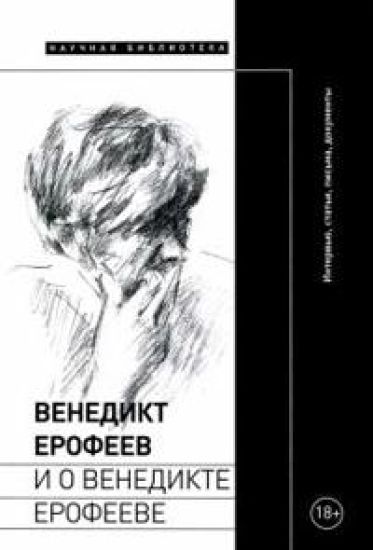
Venedikt Erofeev i o Venedikte Erofeeve. Sbornik
Oleg Lekmanov; Irina Paperno
Novoe literaturnoe obozrenie
2022
sidottu
Venedikt Erofeev - odna iz samykh zagadochnykh figur v istorii nepodtsenzurnoj russkoj literatury. Shirokomu chitatelju, znakomomu s nim po "Moskve - Petushkam", mozhet kazatsja, chto Venichka iz poemy - eto i est nastojaschij Erofeev. No tak li eto? Odnoznachnogo otveta ne najdetsja ni v trudakh ego biografov, ni v memuarakh znakomykh i druzej. Tsel etogo sbornika - predstavit maloizvestnye stranitsy biografii Erofeeva i dat srez samykh pokazatelnykh rabot o ego zhizni i tvorchestve. V knigu voshli materialy, pozvoljajuschie uvidet avtora znamenitoj poemy iz samykh raznykh perspektiv: ot avtobiografii, napisannoj Erofeevym v shestnadtsatiletnem vozraste, arkhivnykh dokumentov, ego intervju i perepiski do otklikov na ego proizvedenija izvestnykh pisatelej (Viktora Nekrasova, Vladimira Vojnovicha, Tatjany Tolstoj, Zinovija Zinika, Viktora Pelevina, Dmitrija Bykova) i statej kritikov i literaturovedov, inye iz kotorykh uzhe uspeli stat filologicheskoj klassikoj. Znachitelnaja chast materialov i bolshaja chast fotografij, voshedshikh v sbornik, pechataetsja vpervye. Sostaviteli knigi - Oleg Lekmanov, doktor filologicheskikh nauk, professor shkoly filologii fakulteta gumanitarnykh nauk NIU VSHE, i Ilja Simanovskij, issledovatel biografii i tvorchestva Venedikta Erofeeva. Vypusk 230
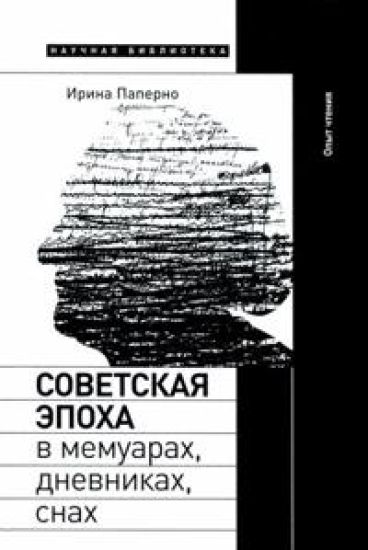
Sovetskaja epokha v memuarakh, dnevnikakh, snakh. Opyt chtenija
Irina Paperno
Novoe literaturnoe obozrenie
2021
sidottu
Za poslednie desjatiletija, nachinaja c perestrojki, v Rossii byli opublikovany sotni vospominanij, dnevnikov, zapisok i drugikh avtobiograficheskikh dokumentov, svidetelstvujuschikh o sovetskoj epokhe i podvodjaschikh ee itog. Pri vsem raznoobrazii oni povestvujut o zhiznjakh, prozhitykh pod vlijaniem istoricheskikh katastrof, takikh kak stalinskij terror i vojna. Posle padenija sovetskoj vlasti publikatsija etikh sochinenij formirovala soobschestvo ljudej, poluchivshikh dostup k intimnoj zhizni i mysljam drug druga. V svoej knige Irina Paperno issleduet etot gigantskij massiv dokumentov, vyjavljaja v nikh obschie temy, tendentsii i formy. Sredi mnozhestva publikatsij avtor otdelno rassmatrivaet dva, vybrav ikh za emotsionalnuju silu, masshtabnost myshlenija i literaturnyj dar: znamenitye "Zapiski ob Anne Akhmatovoj" Lidii Korneevny Chukovskoj i tetradi Evgenii Grigorevny Kiselevoj, polugramotnoj pozhiloj krestjanki, reshivshej predostavit material dlja stsenarija filma o svoej zhizni. Obnaruzhivaja udivitelnye paralleli i kontrasty mezhdu etimi proizvedenijami, avtor pokazyvaet, kak sovetskaja istorija i sovetskoe gosudarstvo formirovali sudby stol raznykh vo mnogikh otnoshenijakh ljudej. Odnim iz vazhnykh sjuzhetov knigi stali tolkovanija snov, v kotorykh tozhe ne oboshlos bez vtorzhenija gosudarstva i istorii - v osnovnom eto byli koshmary. Podobnye sny videli i krestjane, i partijnye lidery, i izvestnye pisateli i, nakonets, sam Iosif Stalin. Irina Paperno - literaturoved, istorik idej, professor kafedry slavistiki Kalifornijskogo universiteta v Berkli.
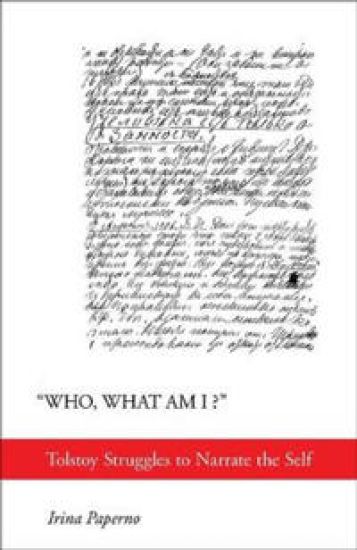
"God only knows how many diverse, captivating impressions and thoughts evoked by these impressions... pass in a single day. If it were only possible to render them in such a way that I could easily read myself and that others could read me as I do." Such was the desire of the young Tolstoy. Although he knew that this narrative utopia—turning the totality of his life into a book—would remain unfulfilled, Tolstoy would spend the rest of his life attempting to achieve it. "Who, What Am I?" is an account of Tolstoy's lifelong attempt to find adequate ways to represent the self, to probe its limits and, ultimately, to arrive at an identity not based on the bodily self and its accumulated life experience. This book guides readers through the voluminous, highly personal nonfiction writings that Tolstoy produced from the 1850s until his death in 1910. The variety of these texts is enormous, including diaries, religious tracts, personal confessions, letters, autobiographical fragments, and the meticulous accounts of dreams. For Tolstoy, inherent in the structure of the narrative form was a conception of life that accorded linear temporal order a predominant role, and this implied finitude. Tolstoy refused to accept that human life stopped with death and that the self was limited to what could be remembered and told. In short, Tolstoy's was a philosophical and religious quest, and he followed in the footsteps of many, from Plato and Augustine to Rousseau and Schopenhauer. In reconstructing Tolstoy's struggles, this book reflects on the problems of self and narrative as well as provides an intellectual and psychological biography of the writer.
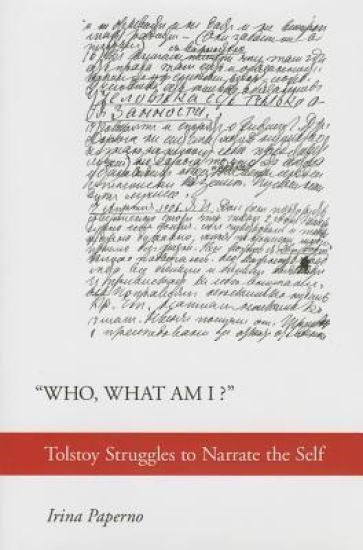
"God only knows how many diverse, captivating impressions and thoughts evoked by these impressions... pass in a single day. If it were only possible to render them in such a way that I could easily read myself and that others could read me as I do." Such was the desire of the young Tolstoy. Although he knew that this narrative utopia—turning the totality of his life into a book—would remain unfulfilled, Tolstoy would spend the rest of his life attempting to achieve it. "Who, What Am I?" is an account of Tolstoy's lifelong attempt to find adequate ways to represent the self, to probe its limits and, ultimately, to arrive at an identity not based on the bodily self and its accumulated life experience. This book guides readers through the voluminous, highly personal nonfiction writings that Tolstoy produced from the 1850s until his death in 1910. The variety of these texts is enormous, including diaries, religious tracts, personal confessions, letters, autobiographical fragments, and the meticulous accounts of dreams. For Tolstoy, inherent in the structure of the narrative form was a conception of life that accorded linear temporal order a predominant role, and this implied finitude. Tolstoy refused to accept that human life stopped with death and that the self was limited to what could be remembered and told. In short, Tolstoy's was a philosophical and religious quest, and he followed in the footsteps of many, from Plato and Augustine to Rousseau and Schopenhauer. In reconstructing Tolstoy's struggles, this book reflects on the problems of self and narrative as well as provides an intellectual and psychological biography of the writer.
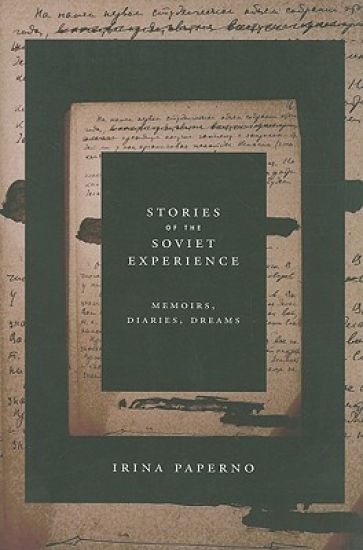
Beginning with glasnost in the late 1980s and continuing into the present, scores of personal accounts of life under Soviet rule, written throughout its history, have been published in Russia, marking the end of an epoch. In a major new work on private life and personal writings, Irina Paperno explores this massive outpouring of human documents to uncover common themes, cultural trends, and literary forms. The book argues that, diverse as they are, these narratives—memoirs, diaries, notes, blogs—assert the historical significance of intimate lives shaped by catastrophic political forces, especially the Terror under Stalin and World War II. Moreover, these published personal documents create a community where those who lived through the Soviet era can gain access to the inner recesses of one another's lives. This community strives to forge a link to the tradition of Russia's nineteenth-century intelligentsia; thus the Russian "intelligentsia" emerges as an additional implicit subject of this book. The book surveys hundreds of personal accounts and focuses on two in particular, chosen for their exceptional quality, scope, and emotional power. Notes about Anna Akhmatova is the diary Lidiia Chukovskaia, a professional editor, kept to document the day-to-day life of her friend, the great Russian poet Anna Akhmatova. Evgeniia Kiseleva, a barely literate former peasant, kept records in notebooks with the thought of crafting a movie script from the story of her life. The striking parallels and contrasts between these two documents demonstrate how the Soviet state and the idea of history shaped very different lives and very different life stories. The book also analyzes dreams (most of them terror dreams) recounted in the diaries and memoirs of authors ranging from a peasant to well-known writers, a Party leader, and Stalin himself. History, Paperno shows, invaded their dreams, too. With a sure grasp of Russian cultural history, great sensitivity to the men and women who wrote, and a command of European and American scholarship on life writing, Paperno places diaries and memoirs of the Soviet experience in a rich historical and conceptual frame. An important and lasting contribution to the history of Russian culture at the end of an epoch, Stories of the Soviet Experience also illuminates the general logic and specific uses of personal narratives.

Beginning with glasnost in the late 1980s and continuing into the present, scores of personal accounts of life under Soviet rule, written throughout its history, have been published in Russia, marking the end of an epoch. In a major new work on private life and personal writings, Irina Paperno explores this massive outpouring of human documents to uncover common themes, cultural trends, and literary forms. The book argues that, diverse as they are, these narratives—memoirs, diaries, notes, blogs—assert the historical significance of intimate lives shaped by catastrophic political forces, especially the Terror under Stalin and World War II. Moreover, these published personal documents create a community where those who lived through the Soviet era can gain access to the inner recesses of one another's lives. This community strives to forge a link to the tradition of Russia's nineteenth-century intelligentsia; thus the Russian "intelligentsia" emerges as an additional implicit subject of this book. The book surveys hundreds of personal accounts and focuses on two in particular, chosen for their exceptional quality, scope, and emotional power. Notes about Anna Akhmatova is the diary Lidiia Chukovskaia, a professional editor, kept to document the day-to-day life of her friend, the great Russian poet Anna Akhmatova. Evgeniia Kiseleva, a barely literate former peasant, kept records in notebooks with the thought of crafting a movie script from the story of her life. The striking parallels and contrasts between these two documents demonstrate how the Soviet state and the idea of history shaped very different lives and very different life stories. The book also analyzes dreams (most of them terror dreams) recounted in the diaries and memoirs of authors ranging from a peasant to well-known writers, a Party leader, and Stalin himself. History, Paperno shows, invaded their dreams, too. With a sure grasp of Russian cultural history, great sensitivity to the men and women who wrote, and a command of European and American scholarship on life writing, Paperno places diaries and memoirs of the Soviet experience in a rich historical and conceptual frame. An important and lasting contribution to the history of Russian culture at the end of an epoch, Stories of the Soviet Experience also illuminates the general logic and specific uses of personal narratives.
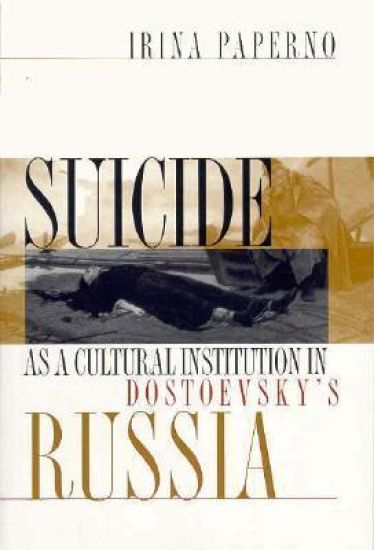
Suicide As a Cultural Institution in Dostoevsky's Russia
Irina Paperno
Cornell University Press
1998
pokkari
In the popular and scientific imagination, suicide has always been an enigmatic act that defies, and yet demands, explanation. Throughout the centuries, philosophers and writers, journalists and scientists have attempted to endow this act with meaning. In the nineteenth century, and especially in Russia, suicide became the focus for discussion of such issues as the immortality of the soul, free will and determinism, the physical and the spiritual, the individual and the social. Analyzing a variety of sources—medical reports, social treatises, legal codes, newspaper articles, fiction, private documents left by suicides—Irina Paperno describes the search for the meaning of suicide. Paperno focuses on Russia of the 1860s–1880s, when suicide was at the center of public attention.