Kirjailija
Isabella L. Bird
Kirjat ja teokset yhdessä paikassa: 148 kirjaa, julkaisuja vuosilta 1891–2026, suosituimpiin kuuluu A Lady's Life in the Rocky Mountains. Vertaile teosten hintoja ja tarkista saatavuus suomalaisista kirjakaupoista.
Nimi esiintyy myös muodoissa: Isabella L Bird
148 kirjaa
Kirjojen julkaisuvuodet: 1891–2026.
Unbeaten tracks in Japan: an account of travels on horseback in the interior: including visits to the aborigines of Yezo and the shrines of Nikk
Isabella L. Bird
Createspace Independent Publishing Platform
2017
nidottu
Isabella Lucy Bird, married name Bishop FRGS (15 October 1831 - 7 October 1904), was a nineteenth-century English explorer, writer, photographer and naturalist. With Fanny Jane Butler she founded the John Bishop Memorial hospital in Srinagar. She was the first woman to be elected Fellow of the Royal Geographical Society. Early life: Bird was born on 15 October 1831 at Boroughbridge Hall, Yorkshire, the home of her maternal grandmother. Her parents were Rev Edward Bird BA (1794-1858) and his second wife, Dora Lawson (1803-1866). Boroughbridge was her father's first curacy after taking orders in 1830, and it was here he met Dora. Bird moved several times during her childhood. In 1832, Reverend Bird was appointed curate in Maidenhead, where Isabella's brother Edward was born and died in his first year. Because of her father's ill health Bird's family moved again in 1834 to Tattenhall in Cheshire, a living presented to him by his cousin Dr John Bird Sumner, Bishop of Chester, where in the same year Bird's sister, Henrietta, was born. Isabella was outspoken from an early age. When six years old, she confronted the local MP for South Cheshire: "Sir Malpas de Grey Tatton Egerton, while he was campaigning, asking him "did you tell my father my sister was so pretty because you wanted his vote?" Edward Bird's controversial views against Sunday labour caused his congregation to dwindle, and in 1842 he requested a transfer to St. Thomas's in Birmingham. Here again objections were raised which culminated in the minister's being pelted "with stones, mud, and insults". In 1848, the family moved again and, after spending some time in Eastbourne, took up residence in Wyton in Huntingdonshire (now Cambridgeshire.) From early childhood Bird was frail, suffering from a spinal complaint, nervous headaches, and insomnia. The doctor recommended an open-air life, and consequently, Bird learned to ride in infancy, and later to row. Her only education came from her parents: her father was a keen botanist, and Isabella studied flora with him, and her mother taught her daughters an eclectic mix of subjects. Isabella became an avid reader. However, her "bright intelligence, and] an extreme curiosity as to the world outside, made it impossible for her brain and her nature generally to be narrowed and stiffened by the strictly evangelical atmosphere of her childhood". Bird's first publication was at the age of 16, a pamphlet addressing Free Trade v Protectionism after which she continued writing articles for various periodicals. In 1850, a "fibrous tumour was removed from the neighbourhood of the spine". Bird continued to be unwell, suffering from unspecified ailments resulting in lassitude and insomnia. The family spent six summers in Scotland in an effort to improve her health. Doctors urged a sea voyage and in 1854 Bird's life of travelling began when the opportunity arose for her to sail to the United States accompanying her second cousins to their family home. Her father "gave her ]100 and leave to stay away as long as it lasted". Bird's "bright descriptive letters" written home to her relations formed the basis for her first book, An Englishwoman in America (1856), published by Murray. John Murray, "as well as being Isabella's lifelong publisher, ... became] one of her closest friends".
Unbeaten tracks in Japan: an account of travels on horseback in the interior: including visits to the aborigines of Yezo and the shrines of Nikk
Isabella L. Bird
Createspace Independent Publishing Platform
2017
nidottu
Isabella Lucy Bird, married name Bishop FRGS (15 October 1831 - 7 October 1904), was a nineteenth-century English explorer, writer, photographer and naturalist. With Fanny Jane Butler she founded the John Bishop Memorial hospital in Srinagar. She was the first woman to be elected Fellow of the Royal Geographical Society. Early life: Bird was born on 15 October 1831 at Boroughbridge Hall, Yorkshire, the home of her maternal grandmother. Her parents were Rev Edward Bird BA (1794-1858) and his second wife, Dora Lawson (1803-1866). Boroughbridge was her father's first curacy after taking orders in 1830, and it was here he met Dora. Bird moved several times during her childhood. In 1832, Reverend Bird was appointed curate in Maidenhead, where Isabella's brother Edward was born and died in his first year. Because of her father's ill health Bird's family moved again in 1834 to Tattenhall in Cheshire, a living presented to him by his cousin Dr John Bird Sumner, Bishop of Chester, where in the same year Bird's sister, Henrietta, was born. Isabella was outspoken from an early age. When six years old, she confronted the local MP for South Cheshire: "Sir Malpas de Grey Tatton Egerton, while he was campaigning, asking him "did you tell my father my sister was so pretty because you wanted his vote?" Edward Bird's controversial views against Sunday labour caused his congregation to dwindle, and in 1842 he requested a transfer to St. Thomas's in Birmingham. Here again objections were raised which culminated in the minister's being pelted "with stones, mud, and insults". In 1848, the family moved again and, after spending some time in Eastbourne, took up residence in Wyton in Huntingdonshire (now Cambridgeshire.) From early childhood Bird was frail, suffering from a spinal complaint, nervous headaches, and insomnia. The doctor recommended an open-air life, and consequently, Bird learned to ride in infancy, and later to row. Her only education came from her parents: her father was a keen botanist, and Isabella studied flora with him, and her mother taught her daughters an eclectic mix of subjects. Isabella became an avid reader. However, her "bright intelligence, and] an extreme curiosity as to the world outside, made it impossible for her brain and her nature generally to be narrowed and stiffened by the strictly evangelical atmosphere of her childhood". Bird's first publication was at the age of 16, a pamphlet addressing Free Trade v Protectionism after which she continued writing articles for various periodicals. In 1850, a "fibrous tumour was removed from the neighbourhood of the spine". Bird continued to be unwell, suffering from unspecified ailments resulting in lassitude and insomnia. The family spent six summers in Scotland in an effort to improve her health. Doctors urged a sea voyage and in 1854 Bird's life of travelling began when the opportunity arose for her to sail to the United States accompanying her second cousins to their family home. Her father "gave her ]100 and leave to stay away as long as it lasted". Bird's "bright descriptive letters" written home to her relations formed the basis for her first book, An Englishwoman in America (1856), published by Murray. John Murray, "as well as being Isabella's lifelong publisher, ... became] one of her closest friends".

Unbeaten tracks in Japan: an account of travels on horseback in the interior: including visits to the aborigines of Yezo and the shrines of Nikk
Isabella L. Bird
Createspace Independent Publishing Platform
2016
nidottu
This classic travel book details Isabella Bird's 1878 trip, where she set out alone to explore the interior of Japan - a rarity not only because of Bird's sex but because the country was virtually unknown to Westerners. The Japan she describes is not the sentimental world of Madame Butterfly but a vibrant land of real people with a complex culture and hardscrabble lives...... Isabella Lucy Bird, married name Bishop FRGS (15 October 1831 - 7 October 1904), was a nineteenth-century English explorer, writer, photographer and naturalist. With Fanny Jane Butler she founded the John Bishop Memorial hospital in Srinagar. She was the first woman to be elected Fellow of the Royal Geographical Society. Bird was born on 15 October 1831 at Boroughbridge Hall, Yorkshire, the home of her maternal grandmother. Her parents were Rev Edward Bird BA (1794-1858) and his second wife, Dora Lawson (1803-1866). Boroughbridge was her father's first curacy after taking orders in 1830, and it was here he met Dora. Bird moved several times during her childhood. In 1832, Reverend Bird was appointed curate in Maidenhead, where Isabella's brother Edward was born and died in his first year. Because of her father's ill health Bird's family moved again in 1834 to Tattenhall in Cheshire, a living presented to him by his cousin Dr John Bird Sumner, Bishop of Chester, where in the same year Bird's sister, Henrietta, was born. Bird was outspoken from an early age. When six years old, she confronted the local MP for South Cheshire: "Sir Malpas de Grey Tatton Egerton, while he was campaigning, asking him "did you tell my father my sister was so pretty because you wanted his vote?" Edward Bird's controversial views against Sunday labour caused his congregation to dwindle, and in 1842 he requested a transfer to St. Thomas's in Birmingham. Here again objections were raised which culminated in the minister's being pelted "with stones, mud, and insults". In 1848, the family moved again and, after spending some time in Eastbourne, took up residence in Wyton in Huntingdonshire (now Cambridgeshire.)From early childhood Bird was frail, suffering from a spinal complaint, nervous headaches, and insomnia. The doctor recommended an open-air life, and consequently, Bird learned to ride in infancy, and later to row. Her only education came from her parents: her father was a keen botanist, and Isabella studied flora with him, and her mother taught her daughters an eclectic mix of subjects. Isabella became an avid reader. However, her "bright intelligence, and] an extreme curiosity as to the world outside, made it impossible for her brain and her nature generally to be narrowed and stiffened by the strictly evangelical atmosphere of her childhood". Bird's first publication was at the age of 16, a pamphlet addressing Free Trade v Protectionism after which she continued writing articles for various periodicals. In 1850, a "fibrous tumour was removed from the neighbourhood of the spine". Bird continued to be unwell, suffering from unspecified ailments resulting in lassitude and insomnia. The family spent six summers in Scotland in an effort to improve her health. Doctors urged a sea voyage and in 1854 Bird's life of travelling began when the opportunity arose for her to sail to the United States accompanying her second cousins to their family home. Her father "gave her ]100 and leave to stay away as long as it lasted". Bird's "bright descriptive letters"written home to her relations formed the basis for her first book, An Englishwoman in America (1856), published by Murray. John Murray, "as well as being Isabella's lifelong publisher, ... became] one of her closest friends.
Unbeaten tracks in Japan; an account of travels in the interior including visits to the aborigines of Yezo and the shrine of Nikko: By: Isabella L.(Lu
Isabella L. Bird
Createspace Independent Publishing Platform
2016
nidottu
Isabella Lucy Bird, married name Bishop FRGS (15 October 1831 - 7 October 1904), was a nineteenth-century English explorer, writer, photographer and naturalist. With Fanny Jane Butler she founded the John Bishop Memorial hospital in Srinagar. She was the first woman to be elected Fellow of the Royal Geographical Society. Bird was born on 15 October 1831 at Boroughbridge Hall, Yorkshire, the home of her maternal grandmother. Her parents were Rev Edward Bird BA (1794-1858) and his second wife, Dora Lawson (1803-1866). Boroughbridge was her father's first curacy after taking orders in 1830, and it was here he met Dora. Bird moved several times during her childhood. In 1832, Reverend Bird was appointed curate in Maidenhead, where Isabella's brother Edward was born and died in his first year. Because of her father's ill health Bird's family moved again in 1834 to Tattenhall in Cheshire, a living presented to him by his cousin Dr John Bird Sumner, Bishop of Chester, where in the same year Bird's sister, Henrietta, was born. Bird was outspoken from an early age. When six years old, she confronted the local MP for South Cheshire: "Sir Malpas de Grey Tatton Egerton, while he was campaigning, asking him "did you tell my father my sister was so pretty because you wanted his vote?" Edward Bird's controversial views against Sunday labour caused his congregation to dwindle, and in 1842 he requested a transfer to St. Thomas's in Birmingham. Here again objections were raised which culminated in the minister's being pelted "with stones, mud, and insults". In 1848, the family moved again and, after spending some time in Eastbourne, took up residence in Wyton in Huntingdonshire (now Cambridgeshire.)From early childhood Bird was frail, suffering from a spinal complaint, nervous headaches, and insomnia. The doctor recommended an open-air life, and consequently, Bird learned to ride in infancy, and later to row. Her only education came from her parents: her father was a keen botanist, and Isabella studied flora with him, and her mother taught her daughters an eclectic mix of subjects. Isabella became an avid reader. However, her "bright intelligence, and] an extreme curiosity as to the world outside, made it impossible for her brain and her nature generally to be narrowed and stiffened by the strictly evangelical atmosphere of her childhood". Bird's first publication was at the age of 16, a pamphlet addressing Free Trade v Protectionism after which she continued writing articles for various periodicals. In 1850, a "fibrous tumour was removed from the neighbourhood of the spine". Bird continued to be unwell, suffering from unspecified ailments resulting in lassitude and insomnia. The family spent six summers in Scotland in an effort to improve her health. Doctors urged a sea voyage and in 1854 Bird's life of travelling began when the opportunity arose for her to sail to the United States accompanying her second cousins to their family home. Her father "gave her ]100 and leave to stay away as long as it lasted". Bird's "bright descriptive letters"written home to her relations formed the basis for her first book, An Englishwoman in America (1856), published by Murray. John Murray, "as well as being Isabella's lifelong publisher, ... became] one of her closest friends.
Unbeaten tracks in Japan: an account of travels on horseback in the interior: including visits to the aborigines of Yezo and the shrines of Nikk
Isabella L. Bird
Createspace Independent Publishing Platform
2016
nidottu
This classic travel book details Isabella Bird's 1878 trip, where she set out alone to explore the interior of Japan - a rarity not only because of Bird's sex but because the country was virtually unknown to Westerners. The Japan she describes is not the sentimental world of Madame Butterfly but a vibrant land of real people with a complex culture and hardscrabble lives....... Isabella Lucy Bird, married name Bishop FRGS (15 October 1831 - 7 October 1904), was a nineteenth-century English explorer, writer, photographer and naturalist. With Fanny Jane Butler she founded the John Bishop Memorial hospital in Srinagar. She was the first woman to be elected Fellow of the Royal Geographical Society. Bird was born on 15 October 1831 at Boroughbridge Hall, Yorkshire, the home of her maternal grandmother. Her parents were Rev Edward Bird BA (1794-1858) and his second wife, Dora Lawson (1803-1866). Boroughbridge was her father's first curacy after taking orders in 1830, and it was here he met Dora. Bird moved several times during her childhood. In 1832, Reverend Bird was appointed curate in Maidenhead, where Isabella's brother Edward was born and died in his first year. Because of her father's ill health Bird's family moved again in 1834 to Tattenhall in Cheshire, a living presented to him by his cousin Dr John Bird Sumner, Bishop of Chester, where in the same year Bird's sister, Henrietta, was born. Bird was outspoken from an early age. When six years old, she confronted the local MP for South Cheshire: "Sir Malpas de Grey Tatton Egerton, while he was campaigning, asking him "did you tell my father my sister was so pretty because you wanted his vote?" Edward Bird's controversial views against Sunday labour caused his congregation to dwindle, and in 1842 he requested a transfer to St. Thomas's in Birmingham. Here again objections were raised which culminated in the minister's being pelted "with stones, mud, and insults". In 1848, the family moved again and, after spending some time in Eastbourne, took up residence in Wyton in Huntingdonshire (now Cambridgeshire.)From early childhood Bird was frail, suffering from a spinal complaint, nervous headaches, and insomnia. The doctor recommended an open-air life, and consequently, Bird learned to ride in infancy, and later to row. Her only education came from her parents: her father was a keen botanist, and Isabella studied flora with him, and her mother taught her daughters an eclectic mix of subjects. Isabella became an avid reader. However, her "bright intelligence, and] an extreme curiosity as to the world outside, made it impossible for her brain and her nature generally to be narrowed and stiffened by the strictly evangelical atmosphere of her childhood". Bird's first publication was at the age of 16, a pamphlet addressing Free Trade v Protectionism after which she continued writing articles for various periodicals. In 1850, a "fibrous tumour was removed from the neighbourhood of the spine". Bird continued to be unwell, suffering from unspecified ailments resulting in lassitude and insomnia. The family spent six summers in Scotland in an effort to improve her health. Doctors urged a sea voyage and in 1854 Bird's life of travelling began when the opportunity arose for her to sail to the United States accompanying her second cousins to their family home. Her father "gave her ]100 and leave to stay away as long as it lasted". Bird's "bright descriptive letters"written home to her relations formed the basis for her first book, An Englishwoman in America (1856), published by Murray. John Murray, "as well as being Isabella's lifelong publisher, ... became] one of her closest friends.
Unbeaten tracks in Japan: an account of travels on horseback in the interior: including visits to the aborigines of Yezo and the shrines of Nikk
Isabella L. Bird
Createspace Independent Publishing Platform
2016
nidottu
This classic travel book details Isabella Bird's 1878 trip, where she set out alone to explore the interior of Japan - a rarity not only because of Bird's sex but because the country was virtually unknown to Westerners. The Japan she describes is not the sentimental world of Madame Butterfly but a vibrant land of real people with a complex culture and hardscrabble lives..... Isabella Lucy Bird, married name Bishop FRGS (15 October 1831 - 7 October 1904), was a nineteenth-century English explorer, writer, photographer and naturalist. With Fanny Jane Butler she founded the John Bishop Memorial hospital in Srinagar. She was the first woman to be elected Fellow of the Royal Geographical Society. Bird was born on 15 October 1831 at Boroughbridge Hall, Yorkshire, the home of her maternal grandmother. Her parents were Rev Edward Bird BA (1794-1858) and his second wife, Dora Lawson (1803-1866). Boroughbridge was her father's first curacy after taking orders in 1830, and it was here he met Dora. Bird moved several times during her childhood. In 1832, Reverend Bird was appointed curate in Maidenhead, where Isabella's brother Edward was born and died in his first year. Because of her father's ill health Bird's family moved again in 1834 to Tattenhall in Cheshire, a living presented to him by his cousin Dr John Bird Sumner, Bishop of Chester, where in the same year Bird's sister, Henrietta, was born. Bird was outspoken from an early age. When six years old, she confronted the local MP for South Cheshire: "Sir Malpas de Grey Tatton Egerton, while he was campaigning, asking him "did you tell my father my sister was so pretty because you wanted his vote?" Edward Bird's controversial views against Sunday labour caused his congregation to dwindle, and in 1842 he requested a transfer to St. Thomas's in Birmingham. Here again objections were raised which culminated in the minister's being pelted "with stones, mud, and insults". In 1848, the family moved again and, after spending some time in Eastbourne, took up residence in Wyton in Huntingdonshire (now Cambridgeshire.)From early childhood Bird was frail, suffering from a spinal complaint, nervous headaches, and insomnia. The doctor recommended an open-air life, and consequently, Bird learned to ride in infancy, and later to row. Her only education came from her parents: her father was a keen botanist, and Isabella studied flora with him, and her mother taught her daughters an eclectic mix of subjects. Isabella became an avid reader. However, her "bright intelligence, and] an extreme curiosity as to the world outside, made it impossible for her brain and her nature generally to be narrowed and stiffened by the strictly evangelical atmosphere of her childhood". Bird's first publication was at the age of 16, a pamphlet addressing Free Trade v Protectionism after which she continued writing articles for various periodicals. In 1850, a "fibrous tumour was removed from the neighbourhood of the spine". Bird continued to be unwell, suffering from unspecified ailments resulting in lassitude and insomnia. The family spent six summers in Scotland in an effort to improve her health. Doctors urged a sea voyage and in 1854 Bird's life of travelling began when the opportunity arose for her to sail to the United States accompanying her second cousins to their family home. Her father "gave her ]100 and leave to stay away as long as it lasted". Bird's "bright descriptive letters"written home to her relations formed the basis for her first book, An Englishwoman in America (1856), published by Murray. John Murray, "as well as being Isabella's lifelong publisher, ... became] one of her closest friends.

The Hawaiian archipelago; six months amongst palm groves, coral reefs, and: volcanoes of the Sandwich Islands, By Isabella L. Bird (MRS.BISHOP.), (pop
Isabella L. Bird
Createspace Independent Publishing Platform
2016
nidottu
A lady's life in the Rocky Mountains, By Isabella L. Bird, illustratd: Isabella Lucy Bird
Isabella L. Bird
Createspace Independent Publishing Platform
2016
nidottu
A Lady's Life in the Rocky Mountains. (1879) NOVEL (Illustrated)
Isabella L. Bird
Createspace Independent Publishing Platform
2016
nidottu
Isabella Lucy Bird, married name Bishop FRGS (15 October 1831 - 7 October 1904), was a nineteenth-century English explorer, writer, photographer and naturalist. With Fanny Jane Butler she founded the John Bishop Memorial hospital in Srinagar. She was the first woman to be elected Fellow of the Royal Geographical Society Bird was born on 15 October 1831 at Boroughbridge Hall, Yorkshire, the home of her maternal grandmother. Her parents were Rev Edward Bird BA (1794-1858) and his second wife, Dora Lawson (1803-1866). Boroughbridge was her father's first curacy after taking orders in 1830, and it was here he met Dora. Bird moved several times during her childhood. In 1832, Reverend Bird was appointed curate in Maidenhead, where Isabella's brother Edward was born and died in his first year. Because of her father's ill health Bird's family moved again in 1834 to Tattenhall in Cheshire, a living presented to him by his cousin Dr John Bird Sumner, Bishop of Chester, where in the same year Bird's sister, Henrietta, was born. Bird was outspoken from an early age. When six years old, she confronted the local MP for South Cheshire: "Sir Malpas de Grey Tatton Egerton, while he was campaigning, asking him "did you tell my father my sister was so pretty because you wanted his vote?" Edward Bird's controversial views against Sunday labour caused his congregation to dwindle, and in 1842 he requested a transfer to St. Thomas's in Birmingham. Here again objections were raised which culminated in the minister's being pelted "with stones, mud, and insults". In 1848, the family moved again and, after spending some time in Eastbourne, took up residence in Wyton in Huntingdonshire (now Cambridgeshire.) From early childhood Bird was frail, suffering from a spinal complaint, nervous headaches, and insomnia. The doctor recommended an open-air life, and consequently, Bird learned to ride in infancy, and later to row. Her only education came from her parents: her father was a keen botanist, and Isabella studied flora with him, and her mother taught her daughters an eclectic mix of subjects. Isabella became an avid reader. However, her "bright intelligence, and] an extreme curiosity as to the world outside, made it impossible for her brain and her nature generally to be narrowed and stiffened by the strictly evangelical atmosphere of her childhood".
The Golden Chersonese and the Way Thither, by Isabella L. Bird
Isabella L. Bird
Createspace Independent Publishing Platform
2016
nidottu
The golden Chersonese and the way thither.(1883) by Isabella l. Bird
Isabella L. Bird
Createspace Independent Publishing Platform
2016
nidottu
Unbeaten Tracks in Japan, by Isabella L. Bird(volume II) whut map and ilustratio
Isabella L. Bird
Createspace Independent Publishing Platform
2016
nidottu
Englishwoman in America ( 1856) by Isabella L. Bird (Classics)
Isabella L. Bird
Createspace Independent Publishing Platform
2016
nidottu
Unbeaten Tracks in Japan, by Isabella L. Bird VOLUME I
Isabella L. Bird
Createspace Independent Publishing Platform
2016
nidottu
Journeys in Persia and Kurdistan-Volume II (Illustrated), by Isabella L. Bird
Isabella L. Bird
Createspace Independent Publishing Platform
2016
nidottu
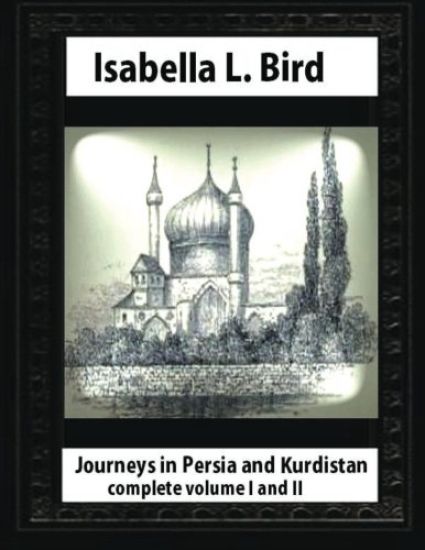
Journeys in Persia and Kurdistan, by Isabella L. Bird complete volume I and II
Isabella L. Bird
Createspace Independent Publishing Platform
2016
nidottu
Journeys in Persia and Kurdistan, complete volume I and II, (Illustrated) Isabella Bishop (nee Bird) published her Journeys in Persia and Kurdistan in 1891, compiled from a series of letters home. Recommended an open-air life from an early age as a cure for physical and nervous difficulties, Bird toured the United States and Canada, New Zealand, Australia and the Far East. After her marriage, and the death of her husband in 1886, she did missionary work in India and then, in 1890, travelled to little-known parts of Turkey, Persia and Kurdistan in the company of Major Herbert Sawyer of the Indian Army. This came to be the hardest journey of her experience, with extremes of temperature and harsh living conditions for the sixty-year-old, although she was able to provide medical care for the local people. Volume 1 introduces the region, its people, and their customs and includes many evocative anecdotes. It also contains a glossary and maps
A Lady's Life in the Rocky Mountains: A Nineteenth-Century English Explorer
Isabella L. Bird
Createspace Independent Publishing Platform
2016
nidottu
A Lady's Life in the Rocky Mountains - A Nineteenth-Century English Explorer - Isabella L. Bird. Isabella Lucy Bird married name Bishop (1831