Kirjojen hintavertailu – 12 903 725 kirjaa ja 27 kauppaa
Kirjailija
Isabella van Elferen
Kirjat ja teokset yhdessä paikassa: 8 kirjaa, julkaisuja vuosilta 2007–2022, suosituimpiin kuuluu Nostalgia or Perversion? Gothic Rewriting from the Eighteenth Century until the Present Day. Vertaile teosten hintoja ja tarkista saatavuus suomalaisista kirjakaupoista.
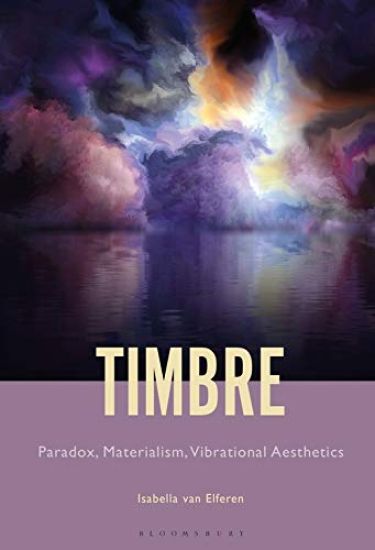
Timbre is among the most important and the most elusive aspects of music. Visceral and immediate in its sonic properties, yet also considered sublime and ineffable, timbre finds itself caught up in metaphors: tone “color”, “wet” acoustics, or in Schoenberg’s words, “the illusory stuff of our dreams.” This multi-disciplinary approach to timbre assesses the acoustic, corporeal, performative, and aesthetic dimensions of tone color in Western music practice and philosophy. It develops a new theorization of timbre and its crucial role in the epistemology of musical materialism through a vital materialist aesthetics in which conventional binaries and dualisms are superseded by a vibrant continuum. As the aesthetic and epistemological questions foregrounded by timbre are not restricted to isolated periods in music history or individual genres, but have pervaded Western musical aesthetics since early Modernity, the book discusses musical examples taken from both “classical” and “popular” music. These range, in “classical” music, from the Middle Ages through the Baroque, the belcanto opera and electronic music to saturated music; and, in “popular” music, from indie through soul and ballad to dark industrial.
Timbre is among the most important and the most elusive aspects of music. Visceral and immediate in its sonic properties, yet also considered sublime and ineffable, timbre finds itself caught up in metaphors: tone “color”, “wet” acoustics, or in Schoenberg’s words, “the illusory stuff of our dreams.” This multi-disciplinary approach to timbre assesses the acoustic, corporeal, performative, and aesthetic dimensions of tone color in Western music practice and philosophy. It develops a new theorization of timbre and its crucial role in the epistemology of musical materialism through a vital materialist aesthetics in which conventional binaries and dualisms are superseded by a vibrant continuum. As the aesthetic and epistemological questions foregrounded by timbre are not restricted to isolated periods in music history or individual genres, but have pervaded Western musical aesthetics since early Modernity, the book discusses musical examples taken from both “classical” and “popular” music. These range, in “classical” music, from the Middle Ages through the Baroque, the belcanto opera and electronic music to saturated music; and, in “popular” music, from indie through soul and ballad to dark industrial.
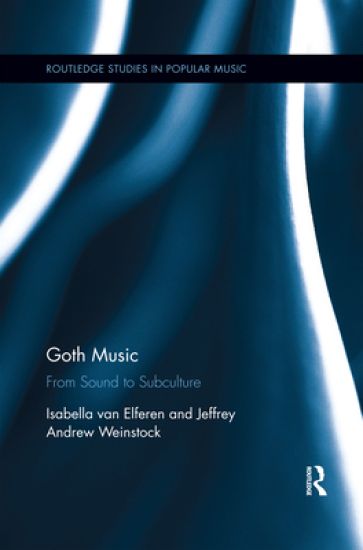
Is "goth music" a genre, and if so, how does it relate to the goth subculture? The music played at goth club nights and festivals encompasses a broad range of musical substyles, from gloomy Batcave reverberations to neo-medieval bagpipe drones and from the lush vocals of goth metal to the harsh distortion of goth industrial. Goth Music: From Sound to Subculture argues that within this variegated musical landscape a number of key consistencies exist. Not only do all these goth substyles share a number of musical and textual characteristics, but more importantly these aspects of the music are constitutive of goth social reality. Drawing on their own experiences in the European and American goth scenes, the authors explore the ways in which the sounds of goth inform the scene’s listening practices, its fantasies of other worlds, and its re-enchantment of their own world. Goth music, this book asserts, engenders a musical timespace of its own, a musical chronotope that is driven by nostalgic yearning. Goth Music: From Sound to Subculture reorients goth subcultural studies onto music: goth music must be recognized not only as simultaneously diverse and consistent, but also as the glue that holds together goth scenes from all over the world. It all starts with the music.
Is "goth music" a genre, and if so, how does it relate to the goth subculture? The music played at goth club nights and festivals encompasses a broad range of musical substyles, from gloomy Batcave reverberations to neo-medieval bagpipe drones and from the lush vocals of goth metal to the harsh distortion of goth industrial. Goth Music: From Sound to Subculture argues that within this variegated musical landscape a number of key consistencies exist. Not only do all these goth substyles share a number of musical and textual characteristics, but more importantly these aspects of the music are constitutive of goth social reality. Drawing on their own experiences in the European and American goth scenes, the authors explore the ways in which the sounds of goth inform the scene’s listening practices, its fantasies of other worlds, and its re-enchantment of their own world. Goth music, this book asserts, engenders a musical timespace of its own, a musical chronotope that is driven by nostalgic yearning. Goth Music: From Sound to Subculture reorients goth subcultural studies onto music: goth music must be recognized not only as simultaneously diverse and consistent, but also as the glue that holds together goth scenes from all over the world. It all starts with the music.
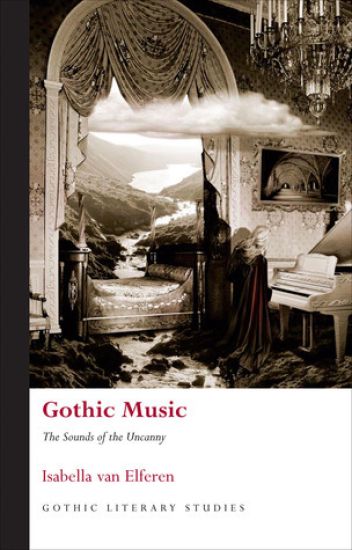
Gothic Music: The Sounds of the Uncanny traces sonic Gothic from the echoing footsteps in Gothic novels to the dark soundscapes of Goth club nights. This broad perspective importantly widens the scope of Gothic music from Goth subculture to literature, film, television and video games. This book also provides the musical and theoretical definition of Gothic music that lacks in current scholarship. Whether voicing the spectral beings of early cinema, announcing virtual terrors in video games, or intensifying the nocturnal rituals of Goth, Gothic music represents the sounds of the uncanny.
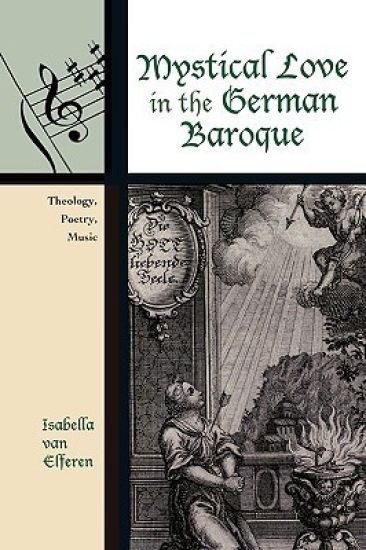
Mystical Love in the German Baroque: Theology, Poetry, Music identifies the cultural and devotional conventions underlying expressions of mystical love in poetry and music of the German baroque. It sheds new light on the seemingly erotic overtones in settings of the Song of Songs and dialogues between Christ and the faithful soul in late 17th- and early 18th-century cantatas by Heinrich SchYtz, Dieterich Buxtehude, and Johann Sebastian Bach. While these compositions have been interpreted solely as a secularizing tendency within devotional music of the baroque period, Isabella van Elferen demonstrates that they need to be viewed instead as intensifications of the sacred. Based on a wide selection of previously unedited or translated 17th- and 18th-century sources, van Elferen describes the history and development of baroque poetic and musical love discourses, from SchYtz's early works through Buxtehude's cantatas and Bach's cantatas and Passions. This long and multilayered discursive history of these compositions considers the love poetry of Petrarch, European reception of petrarchan imagery and traditions, its effect on the madrigal in Germany, and the role of Catholic medieval mystics in baroque Lutheranism. Van Elferen shows that Bach's compositional technique, based on the emotional characteristics of text and music rather than on the depiction of single words, allows the musical expression of mystical love to correspond closely to contemporary literary and theological conceptions of this affect.
Mystical Love in the German Baroque: Theology, Poetry, Music identifies the cultural and devotional conventions underlying expressions of mystical love in poetry and music of the German baroque. It sheds new light on the seemingly erotic overtones in settings of the Song of Songs and dialogues between Christ and the faithful soul in late 17th- and early 18th-century cantatas by Heinrich Schütz, Dieterich Buxtehude, and Johann Sebastian Bach. While these compositions have been interpreted solely as a secularizing tendency within devotional music of the baroque period, Isabella van Elferen demonstrates that they need to be viewed instead as intensifications of the sacred. Based on a wide selection of previously unedited or translated 17th- and 18th-century sources, van Elferen describes the history and development of baroque poetic and musical love discourses, from Schütz's early works through Buxtehude's cantatas and Bach's cantatas and Passions. This long and multilayered discursive history of these compositions considers the love poetry of Petrarch, European reception of petrarchan imagery and traditions, its effect on the madrigal in Germany, and the role of Catholic medieval mystics in baroque Lutheranism. Van Elferen shows that Bach's compositional technique, based on the emotional characteristics of text and music rather than on the depiction of single words, allows the musical expression of mystical love to correspond closely to contemporary literary and theological conceptions of this affect.
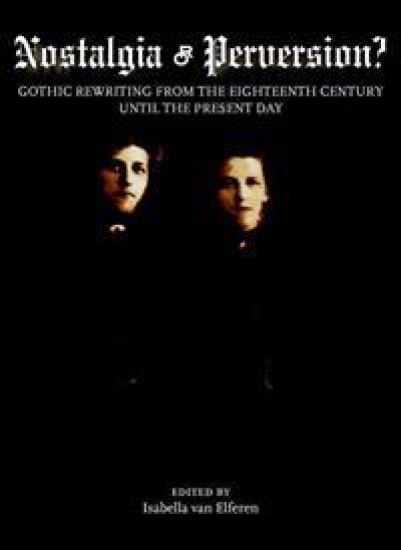
Nostalgia or Perversion? Gothic Rewriting from the Eighteenth Century until the Present Day presents an interdisciplinary approach to an important aspect of Gothic texts, films, and music: that of rewriting. From the eighteenth-century Gothic novel to present-day vampire films and Goth music, the genre is characterised by its nostalgic reflection on past worlds, narratives, and identities. Gothic nostalgia is often accompanied by a transgressive drive, resulting in perversions of the rewritten past—the modern vampire is no longer embodied evil but an attractive dandy, while Goth subcultures reflect on Victorian aesthetics but pervert them by adding fetishist elements. Gothic nostalgia transforms the past, turning it upside down, foregrounding its background, and corrupting its order. In this volume an international group of philosophy, literature, film, and music scholars investigates the instrumental role of nostalgia and perversion in the Gothic's rewriting of the past. If elements of both nostalgia and perversion are operative in Gothic rewriting, how are they connected? How do they play out in differing media? How do they change audiences' views on the relationships between binaries such as past and present, other and self, and norm and deviation? Nostalgia or Perversion brings together the early Gothic novel, present-day female and black Gothic literature, Goth subculture and music, and the imagery of horror films and comic books, thus broadening the definition of 'Gothic' from a literary genre to a gesture of pervasive cultural criticism. The interdisciplinary analysis of nostalgia and perversion in Gothic rewriting uncovers wholly new insights into the artistic and social functions of the Gothic, making the volume useful to both scholars and students. As the essays reflect on academic as well as popular texts and media, it is also accessible to general readers. 'Nostalgia or Perversion provides a sophisticated analysis of how the Gothic radically rewrites the past, not as nostalgia but as a calculated act of transgression. The past and how its reconstructions break down the boundaries between real and unreal, and normal and abnormal, is examined across a range of different media, including novels, films, comic books, television and music. The essays in this collection also address how this issue shapes Gothic formulations of race, sexuality, and gender. Both ambitious in scope and focused and rigorous in its analysis, this book provides a critically important re-evaluation of the Gothic tradition.'—Andrew Smith, University of Glamorgan (UK).